What This Condition Actually Demands
The phrase “locked-in syndrome” sounds clinical. Living with it or caring for someone who does is anything but. A person with this condition typically retains full cognitive function while being unable to move, speak, or breathe independently. Communication is often limited to eye movements alone. Every basic physical need requires someone else’s hands.
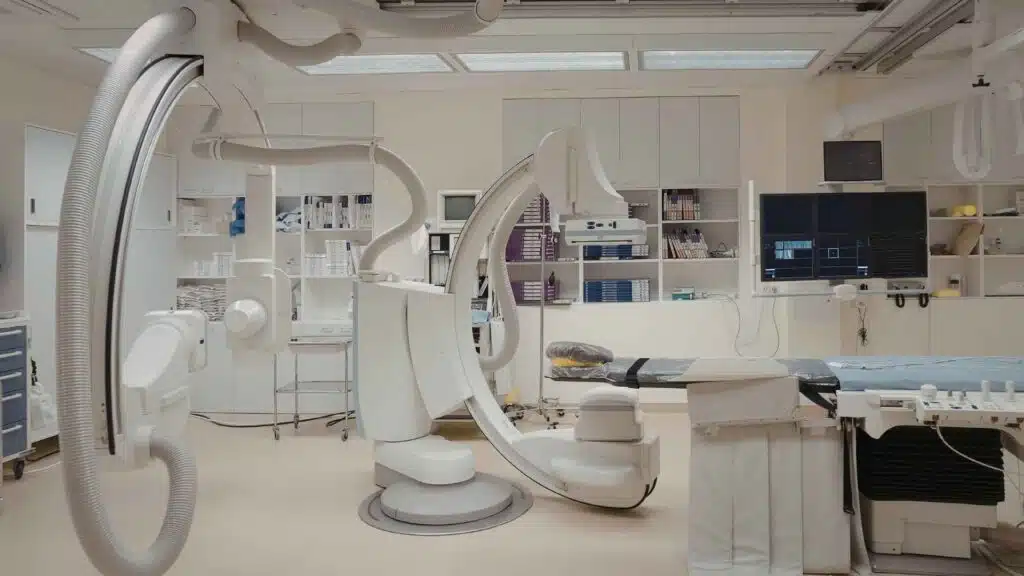
That level of dependence is typically permanent. The medical infrastructure required to sustain a dignified life includes ventilators, suction equipment, feeding systems, hospital-grade beds, pressure management systems, and assistive communication technology. It requires skilled nursing around the clock. When a person can’t cough, swallow, or shift their weight, the margin for error in their care is essentially zero.
Alaska compounds this in ways that matter financially.
Long-Term Care Costs in Alaska
A semi-private nursing home room in Alaska runs nearly $334,000 a year. If a family decides to care for their loved one in their home instead of a facility, they need to account for costs like medications, specialist visits, adaptive equipment, and the income a family caregiver gives up to be present. Over a decade, the total financial exposure is staggering. Over a lifetime, it can consume everything a family has built.
Our Process
We guide you through every step with clear communication and compassionate support.


Free Consultation
Call us anytime to discuss your case. We listen carefully and answer all your questions with no obligation.

Medical Review
Our team conducts a thorough investigation with qualified medical experts to determine if malpractice occurred.

Legal Action
If we find evidence of negligence, we build a strong case and handle all legal aspects on your behalf.

Secure Recovery
We fight to secure the financial resources your family needs for long-term care and peace of mind.
Putting a Number on What a Case Can Recover
People sometimes assume that a legal case is about punishment. It isn’t, primarily. It’s about making sure the person who was harmed has what they need.
A locked-in syndrome settlement or verdict can:
- Cover the full projected cost of care over the person’s lifetime, for things like skilled nursing, equipment, facility expenses, and adaptive home modifications
- Account for income the injured person would have earned
- Compensate for the wages a spouse or parent sacrifices to become a caregiver
- Address the pain and suffering that a conscious, aware person experiences every day in a body they cannot control
That last category deserves emphasis. Locked-in syndrome is not a vegetative state. The person is experiencing their life. What that life looks like, feels like, and sounds like, and how much dignity, comfort, and connection it contains, is shaped directly by the resources available to support it. Compensation isn’t abstract. It’s the difference between adequate care and exceptional care, between isolation and communication, and between survival and something closer to living.
At Newsome Law, we handle these cases by working closely with medical experts, life care planners, and economists who understand how to quantify what a lifetime of care actually requires. You’ll deal directly with attorneys throughout. We’ve done this work before in complex, high-stakes cases, and we know what it takes to see them through.
Talk To Our Legal Team Today
We’re here to answer your questions and help you understand your options.
Schedule a Free Consultation
The Question of Whether Something Went Wrong
Most families in this situation aren’t certain what happened medically. They know the outcome. They may have a sense that something was missed or delayed. But they don’t know if that feeling reflects a genuine failure or the simply terrible randomness of serious illness.
We don’t know either, not until we look. And that’s the point of the investigation.
A brainstem stroke can initially look like:
- Vertigo
- An inner ear problem
- Extreme exhaustion
In a younger patient, or one without obvious risk factors, clinicians may not consider stroke at all. The diagnostic window for effective treatment is narrow. If that window was allowed to close because someone didn’t order the right scan, didn’t recognize the presentation, or didn’t move quickly enough, that’s worth knowing.
Transfer timing matters too. Not every hospital in Alaska is equipped to treat a major stroke, and patients who present to those facilities depend on rapid decisions about where they actually need to go. A delay at a transferring facility can mean the difference between reaching care in time and not reaching it at all.
There’s also the question of what happens after the acute event. Locked-in syndrome is frequently misidentified. A patient who is fully conscious may be documented as unresponsive, placed under sedation, or left without means of communication because no one assessed them correctly. Families often catch this before doctors do. When the medical system fails to recognize that a person is still there, and the consequences of that failure compound over days or weeks, that’s a serious problem.
We examine all of it: the timeline from first symptom to definitive treatment, the decisions at every handoff, and whether the care your loved one received measured up to what the standard demands. We’ll tell you honestly what we find, including whether we don’t think a case is there.
Alaska’s Landscape Can Impact Timely Stroke Treatment
Most cases of locked-in syndrome trace back to a brainstem stroke. Stroke treatment has a hard deadline. Every minute without intervention, more brain tissue dies, a fact that has shaped the entire architecture of how stroke care is supposed to work, including strict timelines for transferring patients from smaller facilities to those with advanced capabilities.
According to a study in JAMA, the nationwide recommended guideline door-in-door-out (DIDO) transfer time from the Joint Commission and the Brain Attack Coalition is fewer than 120 minutes. However, the American Heart Association guideline is at least 50% of strokes treated in 90 minutes or less. Alaska’s DIDO time is much higher:
- 126 to 131 minutes for acute ischemic stroke eligible for endovascular therapy
- 217 to 258 minutes for other acute ischemic stroke
Alaska’s geography makes this more than an abstract statistic. According to the Alaska Stroke Coalition, “Alaska is the only state in the US where a patient may be required to travel a distance just shy of the distance it takes to travel from Dallas to New York to receive stroke care from a certified stroke center.”
Families located far away from comprehensive care may find themselves wondering if a transfer occurred quickly enough at their local hospital.
How the Work Gets Done
We start by listening, not to the records, but to your family. You were there in ways no document captures. You noticed things. You have questions that never got answered. That’s where we begin.
From there, we gather everything: hospital records, imaging, nursing notes, transfer logs, and physician orders. We bring in independent medical experts, such as neurologists, stroke specialists, and critical care physicians, to evaluate whether the decisions made at each step reflect what competent, attentive care actually looks like. This process is thorough by design. Medical negligence cases are defensible, and we don’t move forward unless the evidence supports it.
What we won’t do is tell you what you want to hear. If the care, however imperfect, didn’t fall below the legal standard, we’ll say so. We’d rather be honest with you now than put your family through litigation that goes nowhere.
Legal Fees, Simply Explained
You owe us nothing unless we win.
Contingency fee representation means we advance the costs of investigating and litigating your case. You don’t pay us out of your own pocket, and we only take a percentage of your settlement or award.
The free consultation is genuinely free; there is no paperwork, no obligation, and no follow-up pressure. You take time to decide whether to move forward. Situations like this don’t resolve on anyone else’s timeline.
Get Help When You Want It
Newsome Law is here when you’re ready. A free consultation is confidential, unhurried, and comes with no strings attached. If you have questions about what happened to your loved one, we’ll help you start finding answers.
Call us when you feel up to it.
What Our Clients Say
Real stories from families we've helped through difficult times.
 5.0
5.0
Newsome Law are fantastic! They have been working on my case for the past 3+ years and I have not once had a bad experience with anyone who works there. They have worked tirelessly to help me through my accident and the medical bills that loomed overhead. I am extremely pleased and grateful to have them, fighting on my side during this period in my life.
5.0
Selecting a Law Firm in a time of tragedy , is one of the most important decisions you will make in your lifetime. There are so many Firms out there that will chase you down , make unrealistic commitments and set unrealistic expectations. This is the last thing that is needed in such a painful and difficult time
Newsome Law Is a step above all the rest. They are not some run-of-the-mill Firm. But rather an experienced Team of established excellence and success. As one of Newsome Law’s grateful clients, they always operated in the best interest of my family. Were always available to take my call , and were compassionate to the pain and needs of my family. Newsome Law is the right Firm for you to choose.
5.0
5 Stars???!!!! These guys deserve the universe!!!!!!! They came through with every promise and were professional, diligent, smart, friendly, and understanding of the situation I was going through every step of the way. Very happy with the customer service so if that’s a thing for you, that’s another reason to go here. Honestly you will be making a mistake if you don’t go here. Rich is top tier in the US for attorneys and he definitely fought hard to get the job done here. If you want your money… GO HERE!!!!!!!
5.0
Newsome Law represented me in a very positive manner. Always professional, courteous, supportive and attentive. They were always able to keep me apprised of the status of my case. The team on my case were always easy to work with and on top of all issues. I never had to wonder where we were at in the process. I would recommend them to anyone needing this type of help in the future.
5.0
Just an amazing experience with the Newsome Law firm. Our case was very sensitive and close to our hearts. We were treated with the utmost respect for our situation and everything was handled in a professional and timely manner. We cannot say enough good things about the entire team!
5.0
I am so pleased to have worked with this firm. The attention to detail, time spent one on one, not feeling like I was just a number and someone truly caring about what was going on with me and my case was more than I could have ever hoped for. I will use this firm again if I ever need one and will recommend to everyone who asks to reach out to Newsome Law if they find they ever need someone to represent them. More than pleased and happy with everyone and everything from the office. Thank you from the bottom of my heart!
5.0
I am so pleased to have worked with this firm. They went above and beyond for my sons case. I would highly recommend this firm to anyone. Always communicated with us, always answered all our questions and fought for my sons case to get the best. Newsome Law thank so much again for all you did. God Bless!
5.0
Partnered with this law firm under unfortunate circumstances and ended up being a great success. They understood the mission and intent, and collectively, conducted all of the behind the scenes work, resulting in a successful end result. If you want one of the best, here’s your opportunity and highly recommended.
5.0
When you’re in a hospital bed all jacked up from an accident and you google best personal injury attorneys, this is who you will find, and they are. Never had been in a lawsuit before and had never needed an attorney. They took such amazing care of me, and handled everything so professionally. A great team of paralegals and attorneys. Thank you so much guys.
Need to Speak with Someone New
Our lines are open 24/7. Call us anytime for immediate assistance.
Call Now: (407) 648 5977