There are three different types, called categories, of locked-in syndrome. When doctors diagnose someone with the condition, the medical professional will evaluate their abilities and impairments to determine which category their condition falls into. These categories include: Classic form Incomplete form Total form In general, those with the incomplete form of locked-in syndrome retain the… Read More
Is There A Cure Or Treatment For Locked-In Syndrome?
Understanding Locked-In Syndrome Locked-in syndrome occurs when there is damage to the brainstem, the part of the brain that controls motor function and autonomic functions. This may happen because of a stroke, traumatic brain injury, poisoning, drug use, or disease. Locked-in syndrome typically involves: Loss of motor function, causing quadriplegia Inability to communicate verbally Full… Read More
Why Strokes Are Frequently Misdiagnosed in Emergency Care
Emergency departments are designed to respond quickly to a wide range of conditions, many of which present with overlapping symptoms. Stroke can be particularly difficult to identify because its signs are not always obvious or consistent. Our stroke misdiagnosis lawyers work with families trying to understand what happened during those critical early hours. Our role… Read More
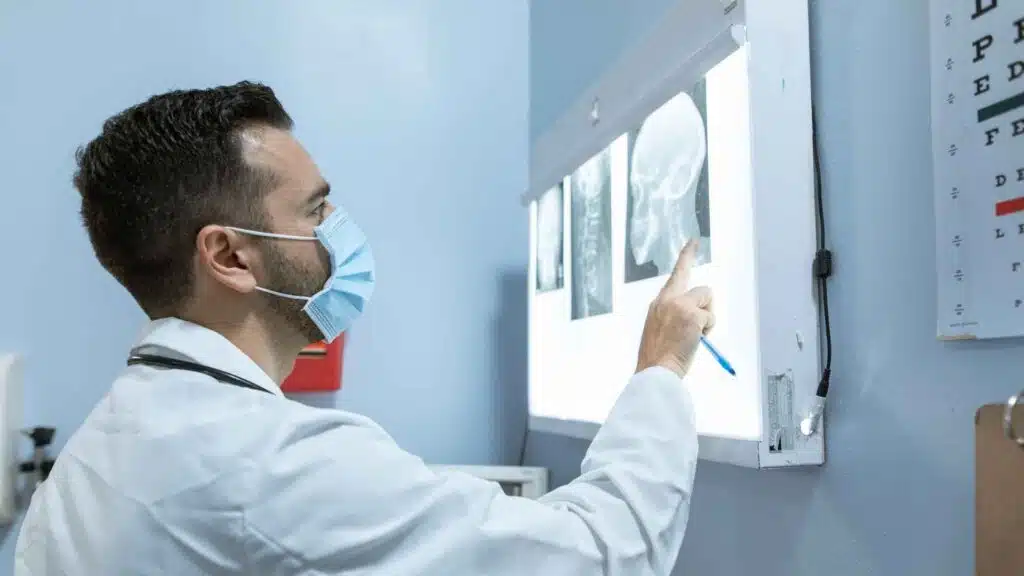
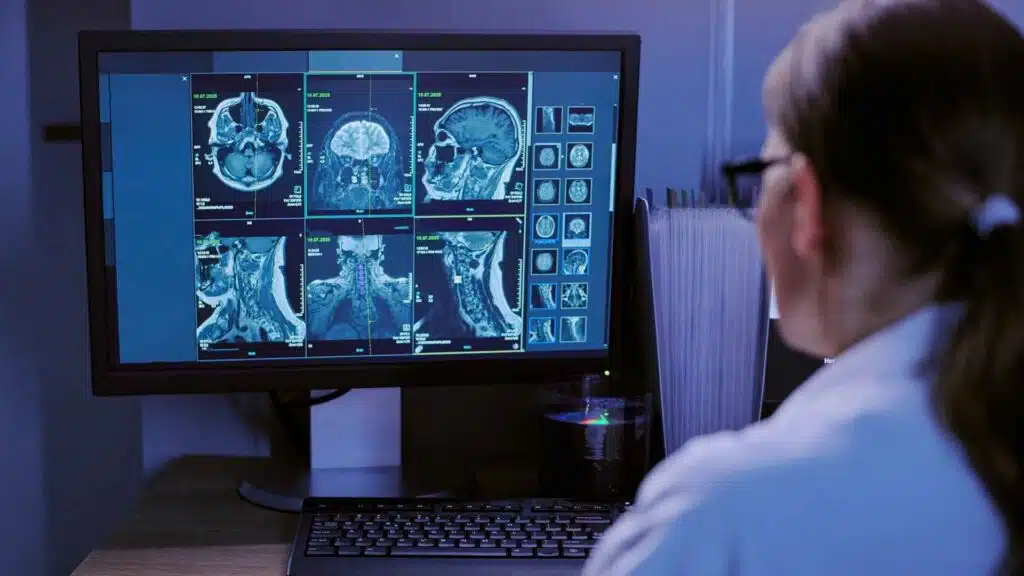
How Do Doctors Make a Diagnosis of Locked-In Syndrome?
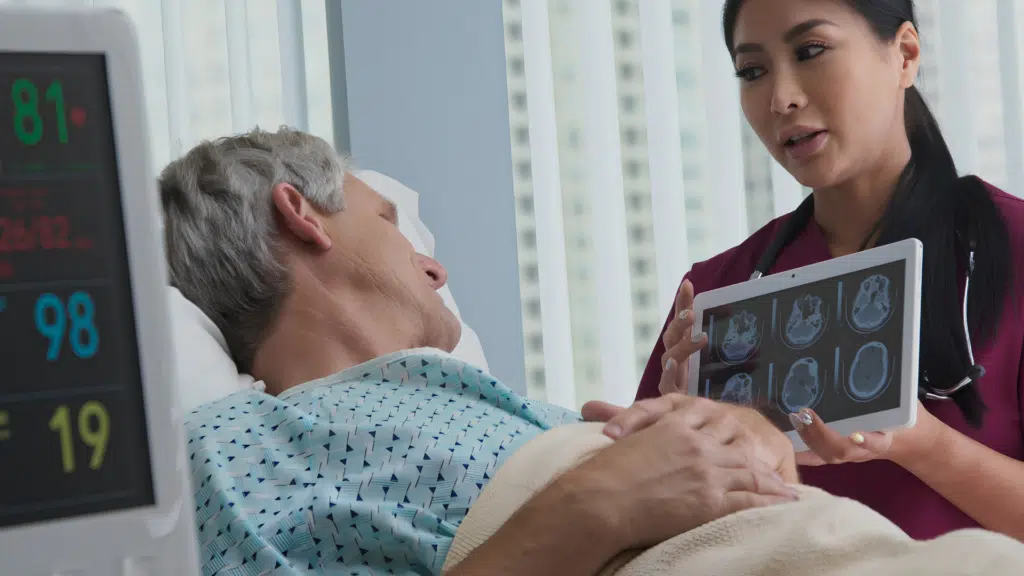
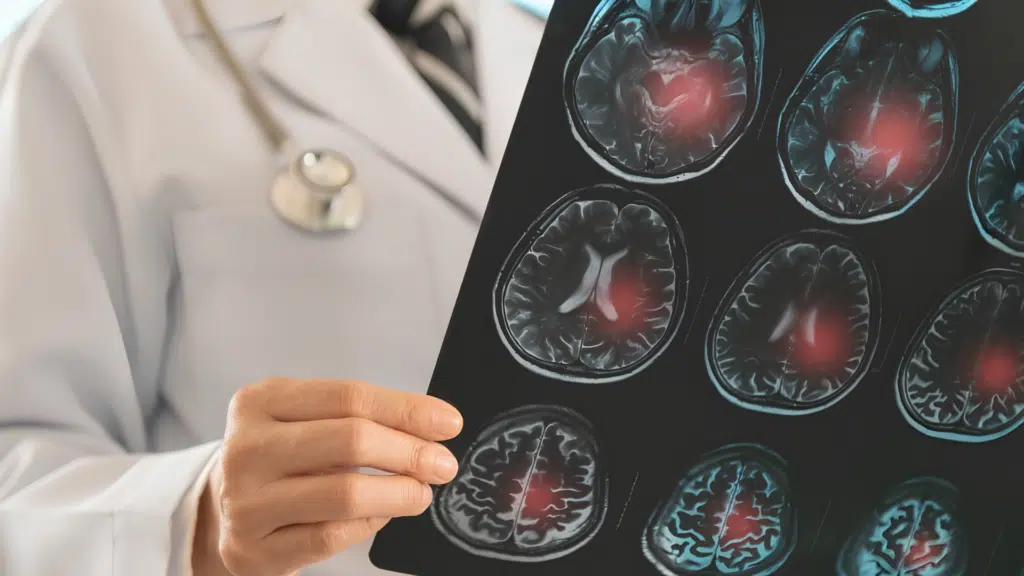
Diagnostic Tests to Confirm a Locked-In Syndrome Diagnosis Doctors can use several different tests to diagnose locked-in syndrome and understand the damage to the brain. This includes: Magnetic Resonance Imaging Doctors use both magnetic resonance imaging (MRI) and magnetic resonance angiography to locate the damage to the brain stem, identify blood clots or blockages, and… Read More
How Medical Consent Works for Patients With Locked-In Syndrome
In the chaotic, confusing early days after a locked-in syndrome diagnosis, medical decisions need to be made. Treatments are discussed. Procedures are recommended. Risks and benefits are explained. And a pressing question emerges: How does medical consent work when a patient cannot speak or move? Understanding how consent functions in the context of locked-in syndrome… Read More
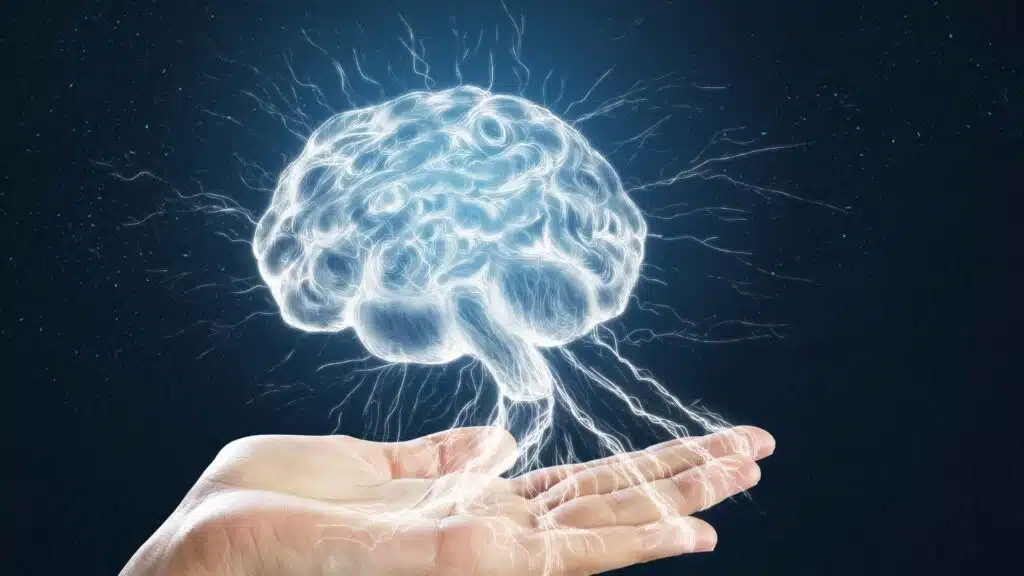
What Area Of The Brain Causes Locked-In Syndrome?
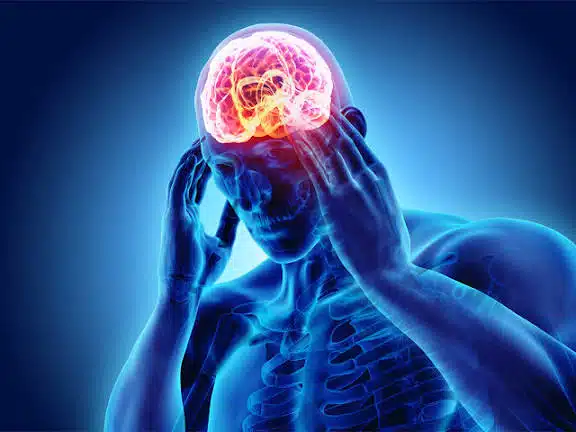
What Is the Brainstem? The brainstem sits at the base of the brain, connecting it to the spinal cord. It plays a critical role in carrying signals between the brain and the rest of the body. Within the brainstem, the pons acts as a major communication pathway—helping control movement, facial expression, and the ability to… Read More