

Delayed Stroke Diagnosis and LIS Lawsuits
There is a question that many families of locked-in syndrome patients ask themselves, usually late at night, long after the...

Emergency departments are designed to respond quickly to a wide range of conditions, many of which present with overlapping symptoms. Stroke can be particularly difficult to identify because its signs are not always obvious or consistent.
Our stroke misdiagnosis lawyers work with families trying to understand what happened during those critical early hours. Our role is to help clarify whether appropriate steps were taken and, if not, to secure the resources needed for long-term care and stability. Understanding why strokes are sometimes misdiagnosed in emergency settings is an important part of that process.

Legally Reviewed By
Attorney Rich Newsome
Catastrophic Injury & Medical Malpractice Attorney
25+ years experience

Stroke misdiagnosis is rarely the result of a single error. More often, it reflects a combination of factors that can complicate clinical judgment in a fast-paced environment.
While some strokes present with classic symptoms—such as facial drooping, arm weakness, and slurred speech—others appear more subtly. Patients may report dizziness, nausea, confusion, or vision changes. These symptoms can resemble less urgent conditions like migraines, inner ear disorders, or even anxiety.
Patients experiencing a stroke may be unable to clearly describe their symptoms. Language barriers, altered mental states, or lack of a witness can further limit the information available to providers.
In some cases, communication difficulties between doctors—rather than between a doctor and their patient—can add to the confusion. When providers fail to share everything they know or do not express themselves clearly, the result could be a devastating misdiagnosis.
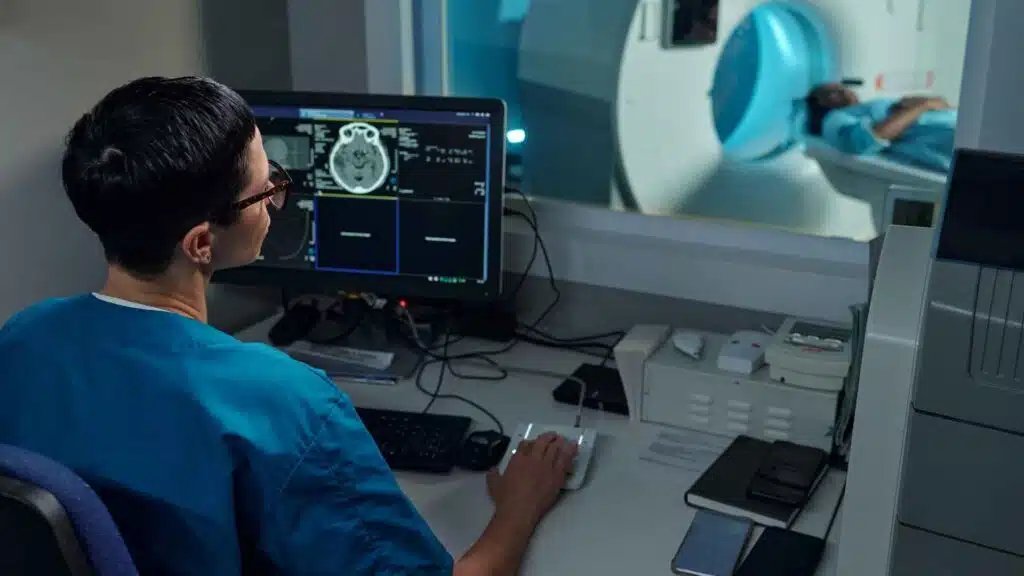
CT scans and MRIs are central to stroke diagnosis. Delays in ordering imaging or misreading results can postpone critical treatment decisions.
When a patient has a known condition, such as a history of migraines or substance abuse, providers may attribute new symptoms to that condition rather than considering a stroke.
Emergency departments often operate under significant strain. High patient volume, staffing limitations, and competing priorities can affect how quickly and thoroughly evaluations are conducted.
In some cases, especially with younger patients or those without known risk factors, stroke may not be the first consideration. This can lead to delays in ordering appropriate imaging or consulting specialists, both of which are essential for timely diagnosis.
Stroke care is built around a simple but critical principle: time is brain. The longer the brain is deprived of oxygen, the greater the risk of permanent damage.
For ischemic strokes—the most common type—treatments such as clot-busting medications or mechanical thrombectomy can significantly reduce harm. However, these interventions are highly time-sensitive. Delays in recognition or diagnosis can mean that a patient will no longer benefit from these treatments by the time the stroke is identified.
Even short delays can affect outcomes. What might have been a temporary impairment can become a lifelong disability, affecting mobility, speech, cognition, and independence.
The impact of a delayed or missed stroke diagnosis can be profound. Some patients experience significant recovery with prompt treatment. Others face permanent neurological deficits that require ongoing care and support.
In the most severe cases, a person may develop Locked-In Syndrome (LIS). This condition is most commonly caused by a stroke affecting the brainstem. Individuals with LIS are fully conscious and aware but unable to move or speak, except for limited eye movements. They can think, feel, and understand but are unable to physically respond.
Understanding this condition is important. It underscores both the urgency of early stroke recognition and the humanity of those living with the consequences of a medical emergency. These are not abstract outcomes: they are lived experiences that affect every aspect of a person’s life.
It is important to approach this issue with balance and fairness. Emergency medicine involves complex, high-pressure decision-making, and not every missed diagnosis reflects a failure to meet the standard of care.
Some strokes are inherently difficult to detect, even with appropriate evaluation. Medicine is not always exact, and outcomes can vary despite reasonable efforts.
Not knowing the truth about your loved one’s case can be very difficult, but there are ways to get the answers you are looking for, including a legal review.
When families have concerns about a possible misdiagnosis, the first step is a thorough and methodical legal review. This typically includes:
The goal is to understand what information was available at each stage and how decisions were made. Key questions may include:
These questions are part of a structured effort to understand whether the standard of care was met.
When a breakdown in care is identified, responsibility may rest with one or multiple parties. This can include:
In many cases, it is not a single moment but a series of small breakdowns that contribute to a missed diagnosis. Understanding this broader context is essential for getting the answers your family needs and deserves.
If you believe your loved one’s stroke may have been misdiagnosed, there are practical steps you can take to begin understanding what happened:
These steps can help preserve important information and provide a clearer picture for any future review.
When a stroke results in serious injury, your loved one’s long-term needs can be substantial. This may include rehabilitation, assistive technology, home modifications, and ongoing medical care.
In cases where a failure in care contributed to the outcome, financial recovery can ensure the individual has access to the resources necessary for dignity, stability, and quality of life. A settlement or award from the negligent provider(s) can ensure meaningful care by funding therapies, adapting homes, and providing support for families navigating complex needs.
Families facing the aftermath of a stroke are often dealing with uncertainty on many levels: medical, emotional, and financial. Our approach is to provide clarity where possible and to support informed decisions at every stage.
Newsome Law works closely with a limited number of families so that each receives direct attorney access and ongoing communication. Families remain in control of the process and can take the time they need to decide what is right for them.
There is a question that many families of locked-in syndrome patients ask themselves, usually late at night, long after the...
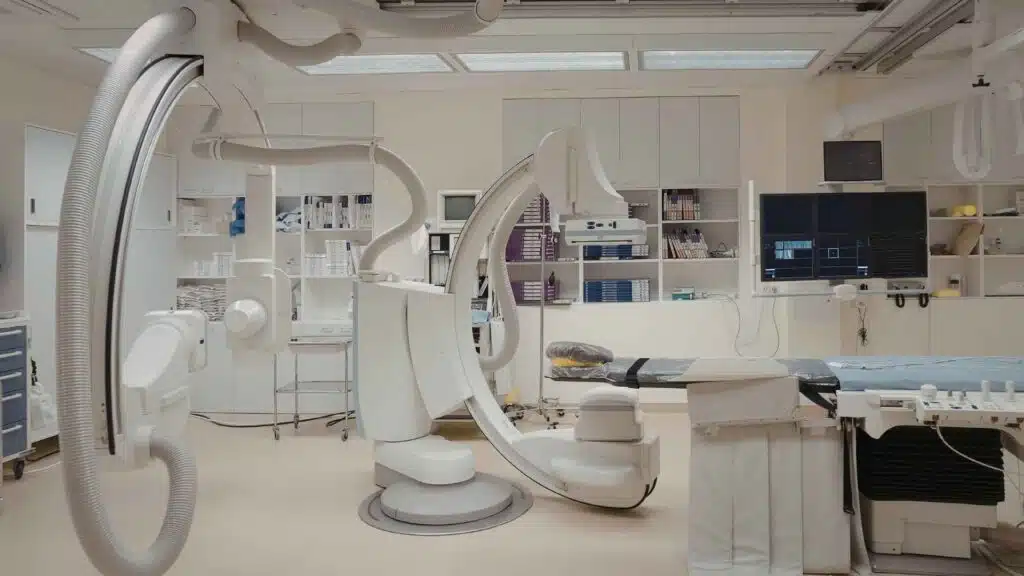
Overview of Stroke Imaging Modalities and Potential Issues Every minute of delayed treatment destroys roughly 1.9 million neurons, according to...
Patients’ Rights After a Failure to Diagnose a Stroke After a stroke is misdiagnosed, patients and their families are often...
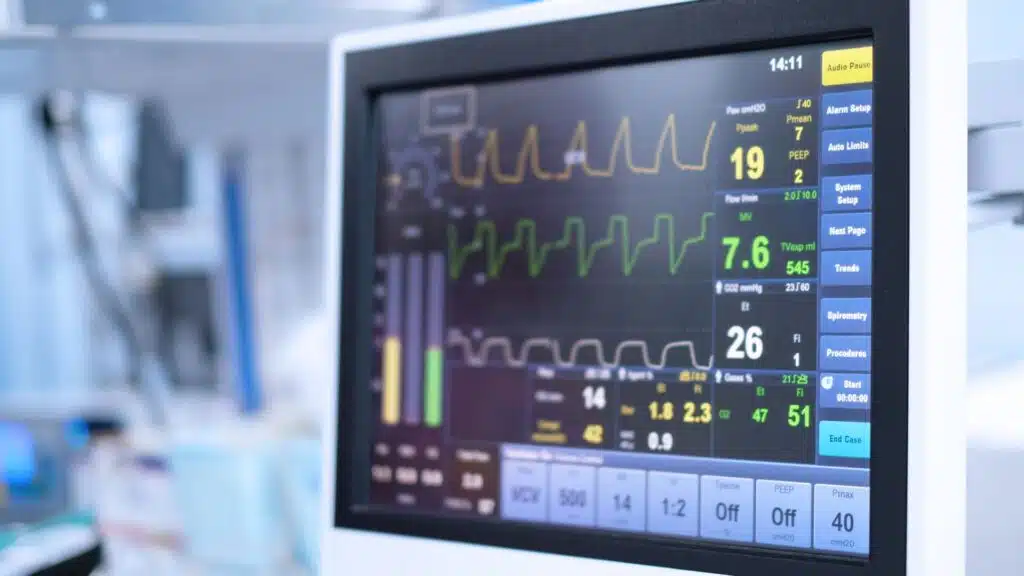
A tracheostomy and a ventilator can feel like foreign objects at first: tubes, machines, and sounds that take over a...
Locked-in syndrome (LIS) changes everything overnight, including a family's finances. Once income stops, Social Security disability benefits can become a...

Learning your child has locked-in syndrome can feel like standing in a room with no map. It's a rare diagnosis,...

While there are occasional cases that make the news of someone recovering from locked-in syndrome or a similar diagnosis, this...

The area of the brain that can cause locked-in syndrome (the pons) following a stroke is the same area of...