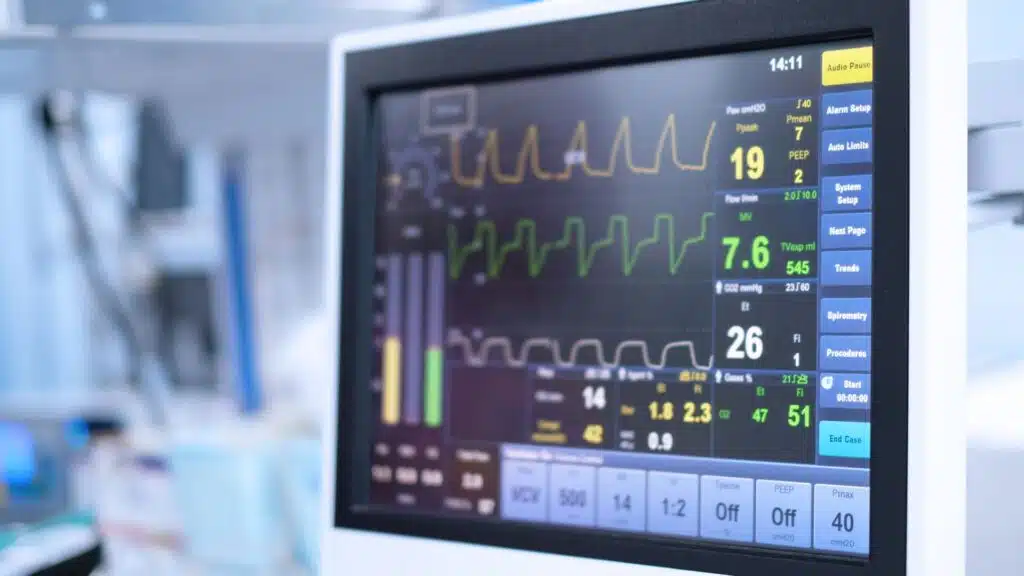

Tracheostomy & Ventilator Management
A tracheostomy and a ventilator can feel like foreign objects at first: tubes, machines, and sounds that take over a...

Locked-in syndrome is a condition in which a person is entirely paralyzed but can still see, hear, and think as they did before. People with locked-in syndrome are typically only able to communicate through eye movements.

Legally Reviewed By
Attorney Rich Newsome
Catastrophic Injury & Medical Malpractice Attorney
25+ years experience

Brainstem strokes are one of the most common causes of locked-in syndrome. Doctors often call them pontine strokes because they specifically affect an area of the brainstem known as the pons. When a stroke disrupts blood flow to the pons, the brain may be unable to send signals to the rest of the body to produce intentional movement.
The pons also plays a role in controlling breathing and the nerve communication necessary to speak, swallow, and make most facial movements. Vertical movement of the eyes is sometimes the only movement that remains following damage to the pons. Some people can also move their eyes horizontally or blink, while others retain no purposeful movement at all.
Damage to the pons can occur in several ways. Most commonly, this includes:
It is imperative that doctors recognize a pontine stroke as quickly as possible. A crucial factor in survival is getting immediate medical care. Restoring blood flow to the brainstem as soon as possible could limit the damage done and save a patient’s life.
It may be possible to diagnose a pontine stroke by observation and medical imaging such as magnetic resonance imaging (MRI) and magnetic resonance angiography. These tests allow doctors to visualize what is happening inside the pons and locate a blood clot or another blockage.
Additional tests are necessary to diagnose locked-in syndrome. While observation plays a key role in this diagnosis, doctors also run tests to look at brain activity and to document sensation and nerve conduction.
Locked-in syndrome (LIS) can feel isolating and scary. While people with LIS are paralyzed, they can still feel pain, though how much depends on the type of LIS they have.
Most people with the condition describe feeling scared and anxious early on. Being fully conscious but unable to signal distress to those around you compounds that fear significantly.
Some individuals with LIS may feel pain and sensation normally, as the sensory pathways may remain unaffected. However, they cannot verbalize or physically react to it, which makes pain assessment a challenge; caregivers must watch carefully for subtle signs like changes in breathing rate or eye widening.
A stroke may initially cause the person to slip into a coma. After several days, they may wake up but remain in a pseudocoma state. This means they are cognitively intact but unable to move or communicate except using vertical eye movements and blinking. They may need medical intervention and support for a wide variety of tasks, including:
Locked-in syndrome is another name for this type of pseudocoma. Depending on the damage the stroke did to the pons, a patient can suffer from:
There is no treatment or cure for locked-in syndrome. Doctors and therapists provide supportive care and therapy to help patients build on any small movements they may retain. While many learn to breathe on their own and communicate using eye gaze devices or blink codes, significant recovery is rare. Some people can regain enough movement to move a power wheelchair.
Despite being unable to speak or move, a person with locked-in syndrome (LIS) retains full cognitive function and remains legally competent. However, they may need family members to advocate for them and be their voice.
A person with locked-in syndrome is entitled to the same standard of dignified, person-centered care as any other patient. For LIS patients, who depend entirely on caregivers for physical needs, this right carries particular weight: the inability to vocalize distress or physically resist poor treatment makes robust care standards essential. Providers have a legal and ethical duty to address pain promptly, maintain hygiene, prevent pressure ulcers, and communicate with the patient directly, not around them as though they are absent.
Federal law reinforces these obligations. The ADA, Section 504 of the Rehabilitation Act, and the Patient Self-Determination Act collectively require non-discriminatory treatment and informed consent. Family members and designated advocates play a critical role in monitoring care quality and raising concerns, particularly before a reliable communication system has been established.
LIS patients are able to make decisions and understand their consequences; they can consciously assume responsibility, enter into contracts, own property, and express treatment preferences.
Under U.S. law, adults are presumed competent to make their own health care choices unless a court or medical professional has legally determined otherwise. As with all patients, doctors must obtain informed consent before performing a procedure on a person with LIS. Informed consent requires that clinicians disclose the benefits, risks, and alternatives to any proposed treatment so the patient can decide with full understanding.
Unfortunately, this is not always the case. A 2025 study in Frontiers in Neurology found that many patients are routinely excluded from clinical decision-making, with care decisions deferred to family members or made without adequately consulting the patient.
This exclusion is not inevitable. Patients and caregivers can use the following to communicate preferences and give or withhold consent:
Clinicians are obligated to make these tools available and allow adequate time for their use. If an LIS patient is not being meaningfully consulted in their own care, this may constitute a violation of their legal rights.
If LIS resulted from medical negligence, LIS patients and families may pursue legal action. A legal claim can seek compensation for economic damages, such as medical bills and lost income, as well as non-economic damages covering the emotional and psychological impact of the condition.
Multiple parties may be held liable in an LIS malpractice claim, including:
If you or a loved one suffered a pontine stroke and now lives with locked-in syndrome, the attorneys from Newsome Law want to review your case. You may qualify to pursue compensation based on the facts of your case. This could be possible through a medical malpractice claim or personal injury lawsuit. There are also resources for locked-in syndrome available for you and your family.
A locked-in syndrome attorney can help you find answers and explore your options. We urge you to call us when you are ready.
A tracheostomy and a ventilator can feel like foreign objects at first: tubes, machines, and sounds that take over a...

Locked-in syndrome (LIS) changes everything overnight, including a family's finances. Once income stops, Social Security disability benefits can become a...

Learning your child has locked-in syndrome can feel like standing in a room with no map. It's a rare diagnosis,...

While there are occasional cases that make the news of someone recovering from locked-in syndrome or a similar diagnosis, this...

The area of the brain that can cause locked-in syndrome (the pons) following a stroke is the same area of...

Because it causes near-global paralysis, takes away the ability to speak, and prevents a person from providing self-care, locked-in syndrome...

Locked-in syndrome occurs when an injury to the brainstem prevents the brain from communicating with the spinal cord and the...
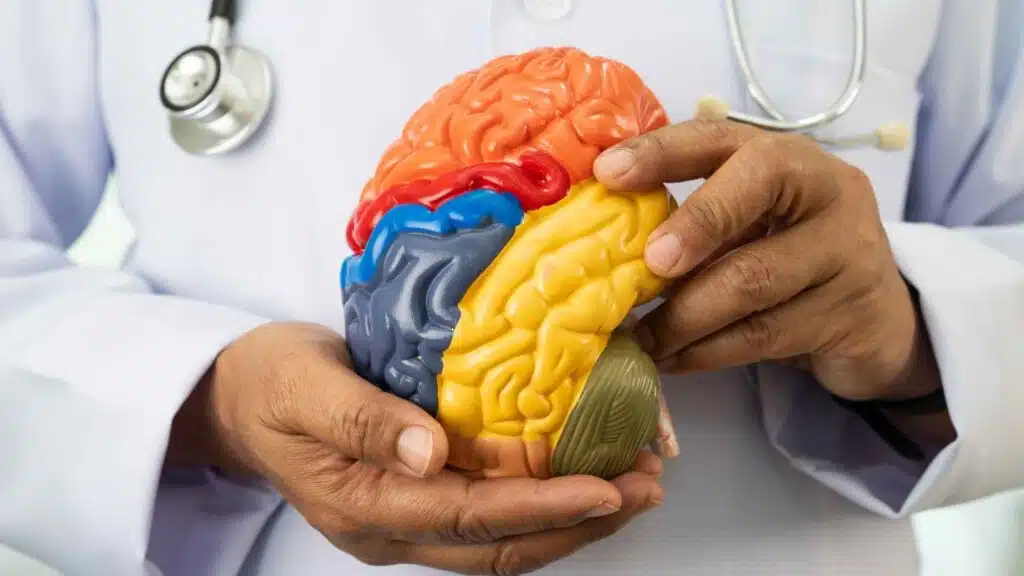
Some people diagnosed with locked-in syndrome continue to feel pain and retain sensation throughout their body or in limited areas...