
Medication Errors Leading to Brainstem Hemorrhage
Most people think of medication errors as something small. A missed pill. A mix-up at the pharmacy counter. But some medication errors are serious enough to cause permanent, life-changing harm....

Resources and legal information for families affected by locked-in syndrome following a stroke or brain stem injury.
Most people think of medication errors as something small. A missed pill. A mix-up at the pharmacy counter. But some medication errors are serious enough to cause permanent, life-changing harm....

Some brain conditions don't come from an injury or a stroke. They come from something that happens inside the body's own chemistry. Central pontine myelinolysis, or CPM, is one of...
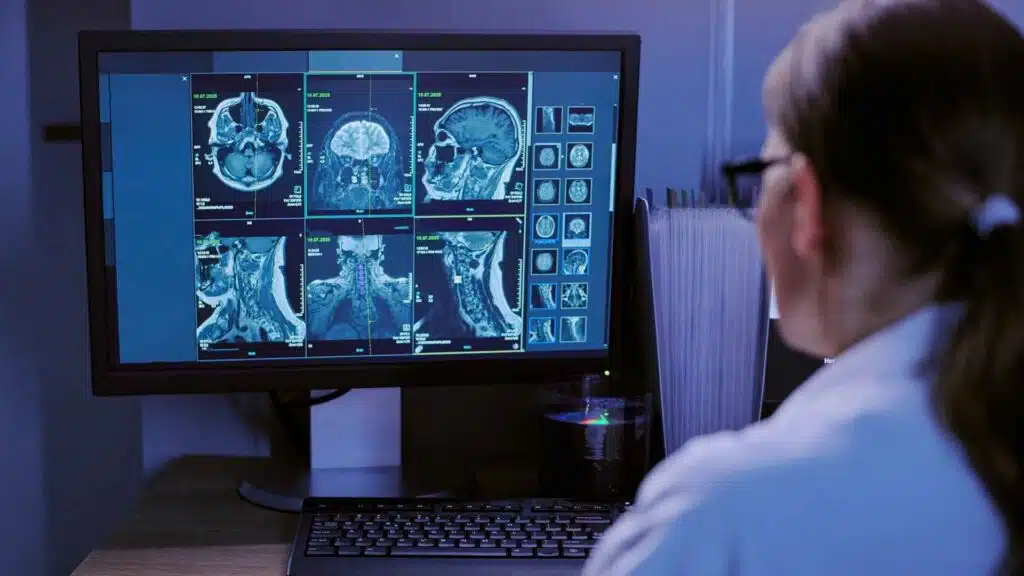
Brainstem strokes are the most common cause of locked-in syndrome. Understanding how brainstem strokes occur, what they affect, and how they cause LIS can help you understand the next steps...
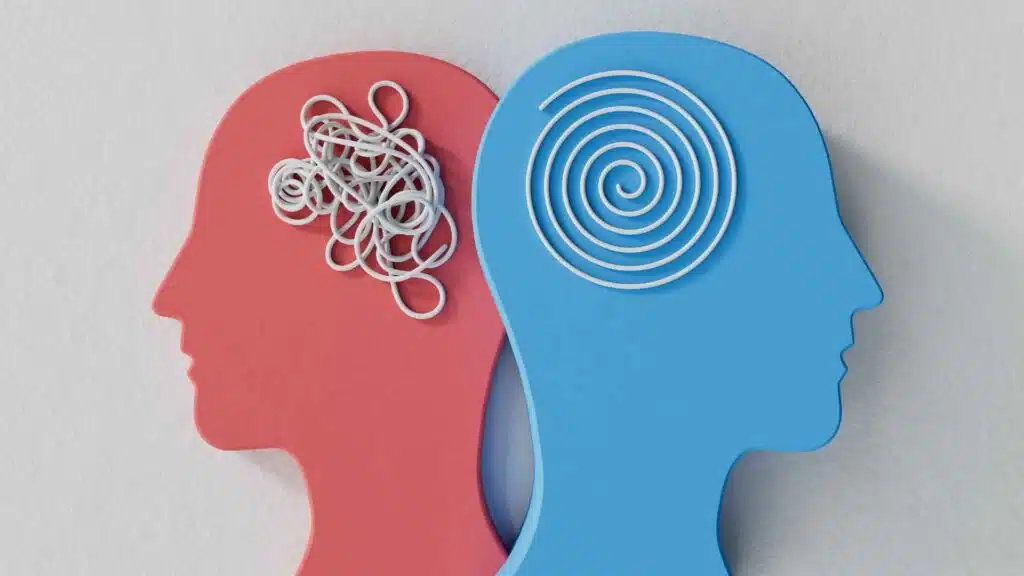
Most people who've heard of locked-in syndrome think of it as a physical condition. But the people who actually live with it will tell you the harder part is everything...

Locked-in syndrome leaves patients fully conscious but almost entirely paralyzed, unable to move or speak. While meaningful motor recovery is rare, rehabilitation remains essential—not to restore function, but to prevent...

Strokes are commonly misdiagnosed. However, every minute an ischemic stroke goes untreated, the brain loses neurons. tPA can reverse damage, but only within a narrow window. When stroke symptoms are...