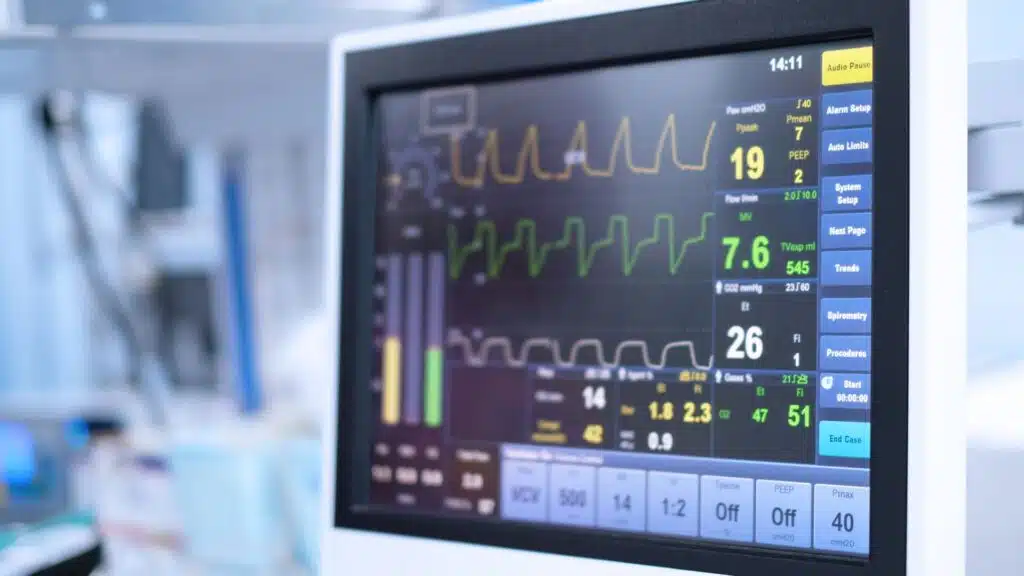

Tracheostomy & Ventilator Management
A tracheostomy and a ventilator can feel like foreign objects at first: tubes, machines, and sounds that take over a...

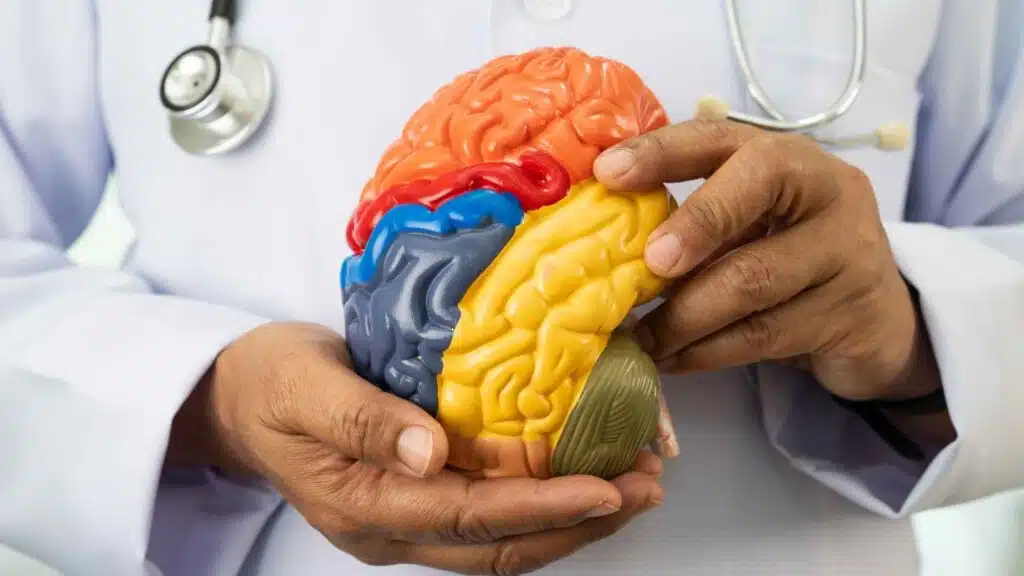
Locked-in syndrome (LIS) is most often caused by damage to a specific part of the brainstem known as the pons.

Legally Reviewed By
Attorney Rich Newsome
Catastrophic Injury & Medical Malpractice Attorney
25+ years experience
The brainstem sits at the base of the brain, connecting it to the spinal cord. It plays a critical role in carrying signals between the brain and the rest of the body. Within the brainstem, the pons acts as a major communication pathway—helping control movement, facial expression, and the ability to speak.
When the pons suffers damage, those communication pathways can be disrupted. As a result, a person may lose nearly all voluntary muscle control, including the ability to move, speak, or swallow, while still remaining fully conscious and aware of their surroundings.
The pons helps transmit signals that allow the body to:
When these signals can no longer pass between the brain and the body, the result can be the profound paralysis seen in locked-in syndrome.
In most cases, locked-in syndrome occurs after a stroke affecting the brainstem, particularly one that interrupts blood flow to the pons. Because stroke treatment is highly time-sensitive, delays in recognizing or treating symptoms can affect the extent of injury.
At the same time, not every stroke can be prevented or reversed, even with appropriate and timely medical care.
While the pons is the most commonly affected area, locked-in syndrome can, in rare cases, result from damage to nearby parts of the brainstem or related pathways. What these situations share is disruption of the signals that control voluntary movement, while leaving awareness intact.
While stroke is the most common cause, other events can sometimes lead to locked-in syndrome when the brainstem or its communication pathways are affected.
These may include:
We’re here to answer your questions and help you understand your options.
Schedule a Free Consultation
When a person suffers brainstem damage and develops locked-in syndrome, there are many signs and symptoms they may experience. Family members are often the first to recognize awareness and cognition in patients with locked-in syndrome. The most common symptoms include:
If you suspect your loved one is in a pseudocoma state and is aware of their environment following a stroke or brain injury, notify their doctor as soon as possible. Their doctor can evaluate their brain activity and determine their level of cognition.
Getting an updated diagnosis will allow their medical care team to offer communication options and work toward the best possible quality of life. Knowing you are aware of their condition will also bring relief to your loved one.

There is no standard treatment or cure for locked-in syndrome. Damage to the brainstem typically does not heal. In classic locked-in syndrome, the patient suffers global paralysis except for being able to blink the eyes and make vertical eye movements.
In patients who retain or recover horizontal eye movements, there is reason to believe they have suffered an incomplete injury and may recover mobility in additional parts of their body. They may recover movement or a small range of motion in a single finger or foot. An incomplete injury may be possible even in patients who do not recover horizontal eye movements in the first days or weeks following the brainstem injury.
Significant recovery is extremely rare, although there have been news reports of some people who have regained mobility, some even learning to walk again.
Quality of life is the top concern for the family of those with locked-in syndrome. Most medical care focuses on preventing opportunistic infections such as pneumonia and pressure sores. Also, doctors and therapists can prescribe special tools and devices to help with communication and mobility.
Specially designed power wheelchairs, lifts, stair lifts, and hospital beds are must-haves for families who want to care for their loved one at home. Communication devices also make it possible for those with locked-in syndrome to interact with their loved ones and the outside world. Eye gaze devices and brain-computer interfaces are the two go-to communication devices for those with classic locked-in syndrome.
Unfortunately, the care a person with locked-in syndrome requires is costly and long-term. Many people need round-the-clock care from loved ones or need to be placed in a care facility, which costs thousands of dollars each month. Devices needed to communicate with loved ones can cost anywhere from a few hundred dollars to tens of thousands of dollars.
In some cases, you may be able to pursue damages on your loved one’s behalf following a brainstem injury and locked-in diagnosis. This is most common if your loved one’s stroke was not diagnosed or treated in time. Our locked-in-syndrome lawyers offer no-cost, no-obligation medical reviews where we can determine whether your loved one’s LIS was a result of medical negligence.
We can work with an independent medical professional to determine whether your loved one’s care met the industry’s standard of care (i.e., what a person with similar training would have done in the same situation). Examples of care that fell short of the standard of care could include:
What you choose to do with that information is up to you. If you decide legal action is the best option in your case, we can handle every aspect of the process for you.
We know you likely have more questions than answers right now. We want to help you get the answers you need. We can listen to your story and review your case, so you can determine how your loved one’s locked-in syndrome occurred.
Call whenever you are ready. Newsome Law is here to listen and support you through every stage.
Real stories from families we've helped through difficult times.
 5.0
5.0
Newsome Law are fantastic! They have been working on my case for the past 3+ years and I have not once had a bad experience with anyone who works there. They have worked tirelessly to help me through my accident and the medical bills that loomed overhead. I am extremely pleased and grateful to have them, fighting on my side during this period in my life.
5.0
Selecting a Law Firm in a time of tragedy , is one of the most important decisions you will make in your lifetime. There are so many Firms out there that will chase you down , make unrealistic commitments and set unrealistic expectations. This is the last thing that is needed in such a painful and difficult time
Newsome Law Is a step above all the rest. They are not some run-of-the-mill Firm. But rather an experienced Team of established excellence and success. As one of Newsome Law’s grateful clients, they always operated in the best interest of my family. Were always available to take my call , and were compassionate to the pain and needs of my family. Newsome Law is the right Firm for you to choose.
5.0
5 Stars???!!!! These guys deserve the universe!!!!!!! They came through with every promise and were professional, diligent, smart, friendly, and understanding of the situation I was going through every step of the way. Very happy with the customer service so if that’s a thing for you, that’s another reason to go here. Honestly you will be making a mistake if you don’t go here. Rich is top tier in the US for attorneys and he definitely fought hard to get the job done here. If you want your money… GO HERE!!!!!!!
5.0
Newsome Law represented me in a very positive manner. Always professional, courteous, supportive and attentive. They were always able to keep me apprised of the status of my case. The team on my case were always easy to work with and on top of all issues. I never had to wonder where we were at in the process. I would recommend them to anyone needing this type of help in the future.
5.0
Just an amazing experience with the Newsome Law firm. Our case was very sensitive and close to our hearts. We were treated with the utmost respect for our situation and everything was handled in a professional and timely manner. We cannot say enough good things about the entire team!
5.0
I am so pleased to have worked with this firm. The attention to detail, time spent one on one, not feeling like I was just a number and someone truly caring about what was going on with me and my case was more than I could have ever hoped for. I will use this firm again if I ever need one and will recommend to everyone who asks to reach out to Newsome Law if they find they ever need someone to represent them. More than pleased and happy with everyone and everything from the office. Thank you from the bottom of my heart!
5.0
I am so pleased to have worked with this firm. They went above and beyond for my sons case. I would highly recommend this firm to anyone. Always communicated with us, always answered all our questions and fought for my sons case to get the best. Newsome Law thank so much again for all you did. God Bless!
5.0
Partnered with this law firm under unfortunate circumstances and ended up being a great success. They understood the mission and intent, and collectively, conducted all of the behind the scenes work, resulting in a successful end result. If you want one of the best, here’s your opportunity and highly recommended.
5.0
When you’re in a hospital bed all jacked up from an accident and you google best personal injury attorneys, this is who you will find, and they are. Never had been in a lawsuit before and had never needed an attorney. They took such amazing care of me, and handled everything so professionally. A great team of paralegals and attorneys. Thank you so much guys.
A tracheostomy and a ventilator can feel like foreign objects at first: tubes, machines, and sounds that take over a...

Locked-in syndrome (LIS) changes everything overnight, including a family's finances. Once income stops, Social Security disability benefits can become a...

Learning your child has locked-in syndrome can feel like standing in a room with no map. It's a rare diagnosis,...

While there are occasional cases that make the news of someone recovering from locked-in syndrome or a similar diagnosis, this...

The area of the brain that can cause locked-in syndrome (the pons) following a stroke is the same area of...

Because it causes near-global paralysis, takes away the ability to speak, and prevents a person from providing self-care, locked-in syndrome...

Locked-in syndrome occurs when an injury to the brainstem prevents the brain from communicating with the spinal cord and the...
Some people diagnosed with locked-in syndrome continue to feel pain and retain sensation throughout their body or in limited areas...