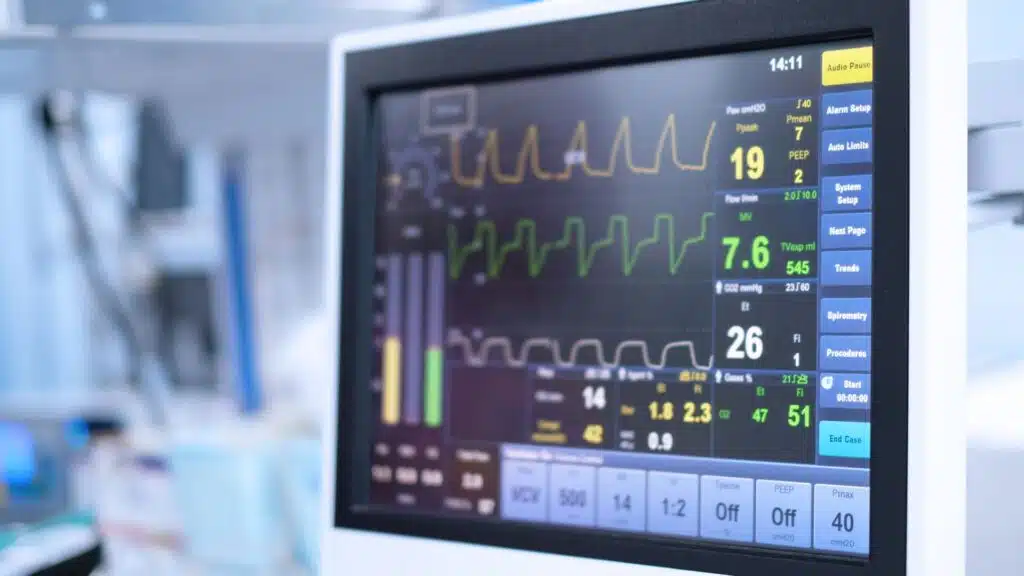

Tracheostomy & Ventilator Management
A tracheostomy and a ventilator can feel like foreign objects at first: tubes, machines, and sounds that take over a quiet room. But for many families managing locked-in syndrome, this...

Resources and legal information for families affected by locked-in syndrome following a stroke or brain stem injury.
A tracheostomy and a ventilator can feel like foreign objects at first: tubes, machines, and sounds that take over a quiet room. But for many families managing locked-in syndrome, this...

Locked-in syndrome (LIS) changes everything overnight, including a family's finances. Once income stops, Social Security disability benefits can become a lifeline, but only if the claim is built the right...

Learning your child has locked-in syndrome can feel like standing in a room with no map. It's a rare diagnosis, especially in children, and that rarity brings its own quiet...

While there are occasional cases that make the news of someone recovering from locked-in syndrome or a similar diagnosis, this is incredibly rare. Most people diagnosed with this condition do...

The area of the brain that can cause locked-in syndrome (the pons) following a stroke is the same area of the brain that regulates the pace and depth of autonomic...

Because it causes near-global paralysis, takes away the ability to speak, and prevents a person from providing self-care, locked-in syndrome affects almost every aspect of a person's life. Most people...