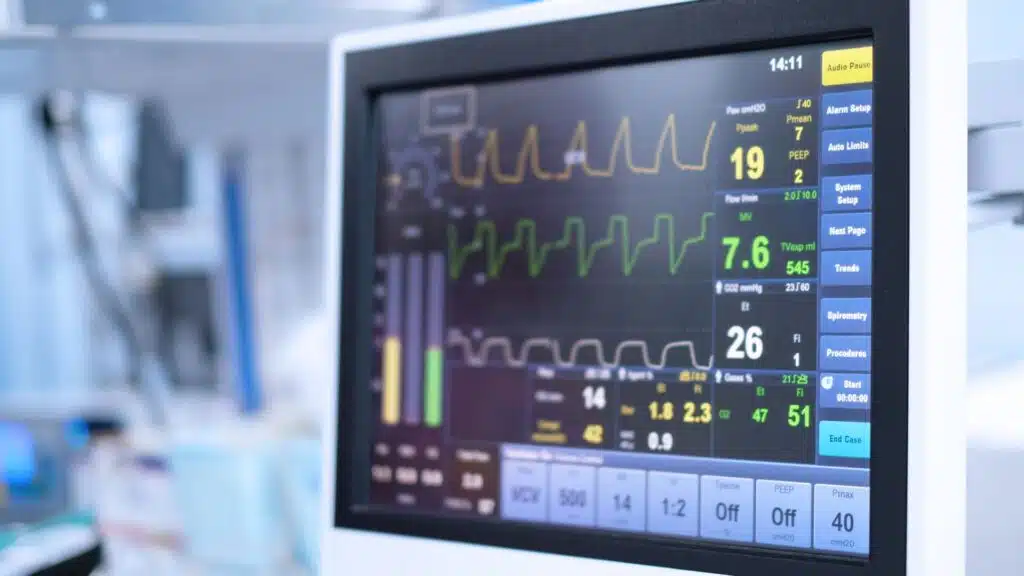

Tracheostomy & Ventilator Management
A tracheostomy and a ventilator can feel like foreign objects at first: tubes, machines, and sounds that take over a...


Legally Reviewed By
Attorney Rich Newsome
Catastrophic Injury & Medical Malpractice Attorney
25+ years experience

Locked-in syndrome (LIS) isn’t an easy diagnosis to contend with for the patient or their family. It arrives without warning, leaving patients fully aware but unable to move or speak. It’s terrifying for them and for their family, whether or not they become hands-on caregivers. A parent, sibling, or spouse doesn’t need a caregiving role to feel the ground shift beneath them.
Imagine being fully conscious, fully aware of everyone around you, but unable to move a single muscle to prove it. That’s the daily reality for someone with undiagnosed locked-in syndrome. The mind is intact; the body simply won’t cooperate.
Even once someone has realized their loved one is still aware, that gap between awareness and expression breeds a specific kind of grief. People with LIS often mourn their independence, their voice, their ability to simply reach for someone’s hand or say “I’m scared” out loud. Depression and anxiety are common, not as a character flaw or failure to cope, but as a rational response to losing nearly every avenue of self-expression overnight. Post-traumatic stress disorder can also occur.
There’s also anxiety and the fear of becoming invisible, of being talked about instead of talked to, or of having decisions made on their behalf without their input. This is why preserving personhood matters so much in LIS care.
Communication aids like eye-tracking software or blink-based coding systems aren’t just clinical tools; they’re lifelines that let the person remain a participant in their own life, not a passive subject of it. Something as small as being asked “yes or no” and given time to answer can restore a measure of dignity that’s easy to overlook in the chaos of medical care.
While the person with LIS navigates an unresponsive body, the people around them are navigating a different kind of disorientation. A spouse, parent, or child often finds themselves grieving someone who is still alive, mourning the relationship as it used to be, the conversations that used to flow easily, the future that suddenly looks unrecognizable. This is sometimes called anticipatory grief, and it’s disorienting precisely because there’s no clear “loss” to point to. The person is still here. But so much of what defined the relationship may feel gone.
Family members who witnessed the stroke or other incident that led to the locked-in syndrome could also be dealing with flashbacks and post-traumatic stress disorder.
For those who do take on caregiving duties, the weight compounds. Chronic stress and physical exhaustion become part of daily life, often alongside a quiet guilt for feeling resentful, for needing a break, or for having a bad day when a loved one is going through something so much harder. Warning signs of caregiver burnout can creep in slowly:
Even family members who aren’t providing hands-on care aren’t exempt. Watching a loved one live with LIS can bring its own helplessness, especially when there’s no clear role to step into beyond being present. A parent may struggle with not knowing how to help their child. A sibling may feel guilty for continuing their normal life. There’s no single “right” way to be affected by this, only the reality that everyone close to the situation is carrying something heavy, whether or not it looks like caregiving from the outside.
Supporting the emotional well-being of someone with locked-in syndrome isn’t just about compassion from the people around them; it also involves real, clinical treatment, adapted to fit the unique constraints of the condition.
Counseling is possible, even without verbal speech. Therapists experienced in severe physical disability or medical trauma can work through communication aids to conduct real sessions:
It’s slower going than traditional talk therapy, and it requires a therapist willing to adapt their approach. But it allows the person with LIS to process grief, fear, and frustration rather than carrying it in silence.
Medication is often part of the picture, too. Antidepressants and anti-anxiety medications are common in LIS care, given how prevalent depression and anxiety are with this condition. A few things worth knowing:
Beyond formal treatment, small, consistent efforts to maintain autonomy matter too: being asked for preferences and being included in conversations and given real decision-making power where possible. Treatment and dignity work hand in hand here; one doesn’t replace the other.
If a delayed diagnosis led to permanent harm, you may be entitled to compensation. Speak with our legal team today.
Start My Free Case Review
It’s easy for family mental health to slide to the bottom of the priority list. The person with LIS has such visible, urgent needs that everyone else’s struggles can start to feel secondary or even selfish to bring up. But that framing doesn’t hold up under scrutiny. A caregiver running on empty isn’t able to provide the steady, patient presence that caregiving requires. A family member drowning in unprocessed grief isn’t able to show up fully for anyone, including themselves. Supporting your own mental health isn’t a distraction from caring for your loved one; it’s part of what makes that care sustainable.
The guilt is worth naming directly, because so many families feel it: How can I focus on myself when they’re the one suffering? The honest answer is that suffering isn’t a competition, and it doesn’t have to be rationed. Your loved one’s hardship doesn’t cancel out your own. Both can be true, and both deserve attention.
There’s also a physical dimension that’s easy to overlook. Chronic stress doesn’t just wear on mood; it can weaken immune function, strain cardiovascular health, and disrupt sleep in ways that compound over time. Taking care of your mental health isn’t just about feeling better emotionally; it’s about staying well enough, physically and mentally, to be there for the long haul.
Knowing that support exists is one thing; knowing where to actually find it is another. Here’s a closer look at the main avenues families can pursue, along with some real starting points.
A therapist experienced in chronic illness, grief, or medical trauma can help family members process what’s happening in a space that’s entirely their own. This isn’t about “fixing” feelings of fear or resentment—it’s about having somewhere to put them down. Look for therapists who specifically mention experience with caregiving, chronic illness, or traumatic medical events, since the emotional terrain here is different from general talk therapy.
LIS doesn’t just affect the primary caregiver; it reshapes roles for an entire household. A sibling might resent the attention shifted elsewhere. A spouse might struggle with decisions that used to be shared. Family therapy creates a structured space to work through these shifts together, rather than letting resentment or miscommunication build in silence.
Connecting with people who understand this particular experience can ease a very specific kind of isolation. A few starting points:
Respite care offers scheduled breaks from caregiving duties: time to rest, recharge, or simply exist outside the caregiver role for a few hours. Experts specifically note that respite is most effective when used before a caregiver becomes exhausted or overwhelmed, not after. Useful starting points include:
For moments when things feel urgent rather than manageable:
Newsome Law can also be a source of support. Our locked-in syndrome attorneys can help you identify if anything went wrong with your loved one’s care and be a shoulder to lean on when you need us.
A tracheostomy and a ventilator can feel like foreign objects at first: tubes, machines, and sounds that take over a...

Locked-in syndrome (LIS) changes everything overnight, including a family's finances. Once income stops, Social Security disability benefits can become a...

Learning your child has locked-in syndrome can feel like standing in a room with no map. It's a rare diagnosis,...

While there are occasional cases that make the news of someone recovering from locked-in syndrome or a similar diagnosis, this...

The area of the brain that can cause locked-in syndrome (the pons) following a stroke is the same area of...

Because it causes near-global paralysis, takes away the ability to speak, and prevents a person from providing self-care, locked-in syndrome...

Locked-in syndrome occurs when an injury to the brainstem prevents the brain from communicating with the spinal cord and the...
Some people diagnosed with locked-in syndrome continue to feel pain and retain sensation throughout their body or in limited areas...