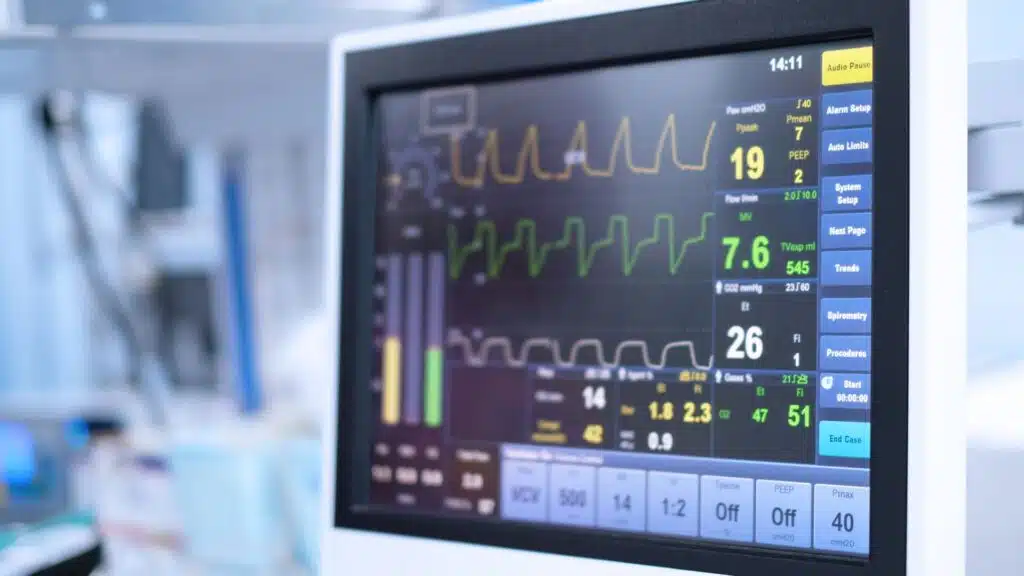

Tracheostomy & Ventilator Management
A tracheostomy and a ventilator can feel like foreign objects at first: tubes, machines, and sounds that take over a...


Legally Reviewed By
Attorney Rich Newsome
Catastrophic Injury & Medical Malpractice Attorney
25+ years experience

Every medical malpractice case is different, but every case must prove the same things. You must be able to prove that negligence led to your loved one’s locked-in syndrome to hold the provider or other party liable.
Medical malpractice claims are built on four elements, and every one of them has to be proven for a claim to succeed. Here’s how each applies when the injury at issue is locked-in syndrome (LIS). LIS is a devastating condition where a patient is fully conscious and aware but almost completely paralyzed, unable to move or speak, typically due to damage to the brainstem, most commonly from a stroke, but also from trauma or delayed treatment of a treatable neurological event.
The plaintiff must first establish that a doctor-patient relationship existed, creating a legal duty for the physician to provide care meeting an accepted standard.
In locked-in syndrome cases, this element is usually straightforward to establish once a patient has been examined, admitted, or treated by a physician or hospital. The duty typically arises the moment a patient presents with symptoms, such as sudden vertigo, slurred speech, double vision, or difficulty swallowing, which can be early warning signs of a brainstem stroke (the leading cause of locked-in syndrome). Once a clinician evaluates or treats that patient, a duty of care is owed.
Breach requires showing that a physician’s conduct fell below what a reasonably competent doctor in the same specialty would have done under similar circumstances. In locked-in syndrome litigation, breach claims tend to cluster around a few recurring fact patterns:
A brainstem stroke, which is the most common vascular cause of locked-in syndrome, often presents with symptoms that mimic more benign conditions. These symptoms can be misattributed to:
In these cases, a plaintiff must allege that a reasonably competent physician, faced with this symptom cluster (such as vertigo plus slurred speech plus double vision), should have suspected a stroke and ordered an MRI or urgent neurology consult rather than discharging the patient or treating symptomatically.
For ischemic strokes, thrombolytic therapy (tPA) and mechanical thrombectomy have time-sensitive windows (hours from symptom onset). Plaintiffs can allege a failure to uphold the standard of care if:
Locked-in states can also result from improper administration or monitoring of certain drugs, such as neuromuscular blocking agents given during surgery without adequate reversal, or central pontine myelinolysis from overly rapid correction of sodium levels. Proving a breach of duty here often centers on medication errors, such as failure to follow known protocols.
Even in situations where an ER physician isn’t expected to be a stroke specialist, the standard of care generally requires recognizing red flags and escalating, e.g., calling a stroke team, transferring to a facility with neurointerventional capability, or at minimum ordering appropriate imaging. Failure to do so, when the symptoms warranted it, is a frequent basis for breach.
In virtually all these scenarios, expert testimony from a neurologist or neuro-radiologist is essential; plaintiffs need someone qualified to say, in effect, “here is what should have happened, and here is what did happen instead.”
Causation is often the hardest element to prove in these cases, and it’s frequently where malpractice claims fail even when breach is fairly clear. The plaintiff must show that the breach was a substantial factor in causing the injury, not just that the outcome was bad, but that it would likely have been different with proper care.
Basilar artery strokes carry high morbidity even with prompt, appropriate treatment. This gives defense experts a strong argument: “the outcome would have happened regardless of any delay.”
To meet the causation burden (typically “more likely than not,” i.e., greater than 50% probability, in most cases), plaintiffs generally need expert testimony addressing:
Because both breach and causation hinge on interpreting timelines and imaging in hindsight, these cases almost always come down to competing neurology and radiology experts:
Finally, the plaintiff must show actual harm resulted. Locked-in syndrome cases typically involve some of the most severe damages seen in malpractice litigation, given that patients remain fully cognitively aware but are almost entirely paralyzed. Damages commonly claimed include:
The following can help establish your and your loved one’s damages:
If a delayed diagnosis led to permanent harm, you may be entitled to compensation. Speak with our legal team today.
Start My Free Case Review
Liability isn’t limited to the treating physician. Depending on the facts, potential defendants can include:
In some cases, multiple parties share liability. Identifying every responsible party matters because it can affect available insurance coverage and total compensation.
Every state has a deadline for medical malpractice cases, known as a statute of limitations. If you fail to take action before this time limit expires, you risk recovering nothing. Certain situations can change the deadline. Because of this complexity, we recommend that you get in touch with our team as soon as you are ready to prevent overstepping this deadline.
If you get in touch with us early enough, we will do everything possible to file in time.
If your loved one developed locked-in syndrome, you may be left with painful questions about whether it could have been prevented. Reviewing their care can help answer those questions, whether that means finding closure or pursuing accountability.
Our team can help. You can get started by requesting complete medical records: ER notes, imaging, lab results, nursing logs, and physician orders, along with exact timestamps for symptom onset and treatment. Our medical malpractice attorneys can arrange for a qualified neurologist to review these records, assess whether the standard of care was met, and determine whether earlier intervention would likely have changed the outcome.
Once the review is complete, we’ll go over the results with you. This process can’t undo what happened, but it can bring clarity, whether that is confirming that everything possible was done or revealing that it wasn’t. Either outcome matters: one offers peace of mind, the other a path toward holding a provider accountable.
Locked-in syndrome forever changes a family’s life, and understanding whether it could have been prevented is often part of processing that loss. If you have lingering questions about your loved one’s care, reviewing their medical records with one of our locked-in syndrome attorneys can help provide clarity. You deserve answers. Reach out to Newsome Law to discuss your loved one’s case and learn what options may be available to you.
We are here to support you and get you the answers you’ve been looking for. We take cases with no upfront fees, so you don’t need to worry about how you’ll afford our help on top of your other expenses.
A tracheostomy and a ventilator can feel like foreign objects at first: tubes, machines, and sounds that take over a...

Locked-in syndrome (LIS) changes everything overnight, including a family's finances. Once income stops, Social Security disability benefits can become a...

Learning your child has locked-in syndrome can feel like standing in a room with no map. It's a rare diagnosis,...

While there are occasional cases that make the news of someone recovering from locked-in syndrome or a similar diagnosis, this...

The area of the brain that can cause locked-in syndrome (the pons) following a stroke is the same area of...

Because it causes near-global paralysis, takes away the ability to speak, and prevents a person from providing self-care, locked-in syndrome...

Locked-in syndrome occurs when an injury to the brainstem prevents the brain from communicating with the spinal cord and the...
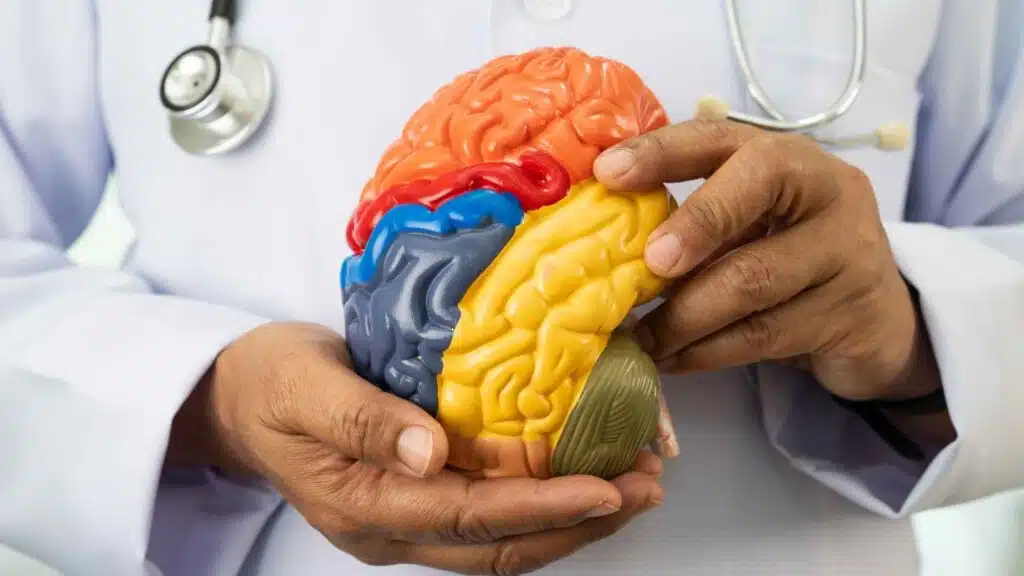
Some people diagnosed with locked-in syndrome continue to feel pain and retain sensation throughout their body or in limited areas...