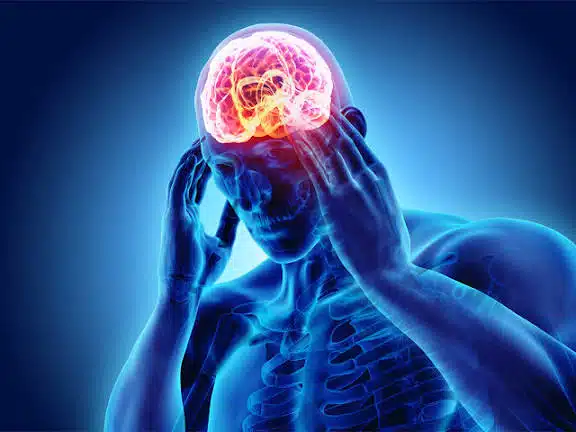
Locked-in syndrome is the outcome when an injury to the brain stem prevents the brain from communicating with the spinal cord and the rest of the nervous system. Most commonly, this type of injury occurs because of a stroke, but it may also be the result of a traumatic brain injury. Rarely, a tumor or… Read More
Do Patients With Locked-In Syndrome Experience Physical Pain?
Some people diagnosed with locked-in syndrome continue to feel pain and retain sensation throughout their body or in limited areas of their body. Every case of locked-in syndrome is different, especially when it comes to those with an incomplete injury. If you or a loved one has a locked-in diagnosis, their doctor will likely run… Read More
Does Locked-In Syndrome Affect a Patient’s Cognitive Function?
In most cases, those who receive a locked-in syndrome diagnosis retain full cognitive functioning. Locked-in syndrome occurs because of a stroke or other issues in the brain stem. This is separate from the parts of the brain that control cognitive functions. When there is a change in cognitive function following an acute brain injury and… Read More
Can You Live Functionally With An Incomplete Form Of Locked-In Syndrome?
In some cases, patients who have an incomplete form of locked-in syndrome may regain the ability to live functionally. Studies of patients with locked-in syndrome show that those with the classic form of the condition may regain some limited motor function, but he or she rarely reach any functional independence. Those with the incomplete form… Read More
How to Communicate With Someone Who Has Locked-In Syndrome
Patients with locked-in syndrome can hear you and may be able to respond. He or she typically has global paralysis, except for blinking and vertical eye movements. Some can answer yes or no questions by blinking or moving their eyes if you establish a code beforehand. Today, those with locked-in syndrome may be able to… Read More
Why Is There A Danger Of Pulmonary Complications With Locked In Syndrome?
The area of the brain that can cause locked-in syndrome (the pons) following a stroke is the same area of the brain that regulates pace and depth of autonomic breathing. For this reason, there is significant danger of pulmonary complications with locked-in syndrome. This is true both during the acute phase of a stroke that… Read More