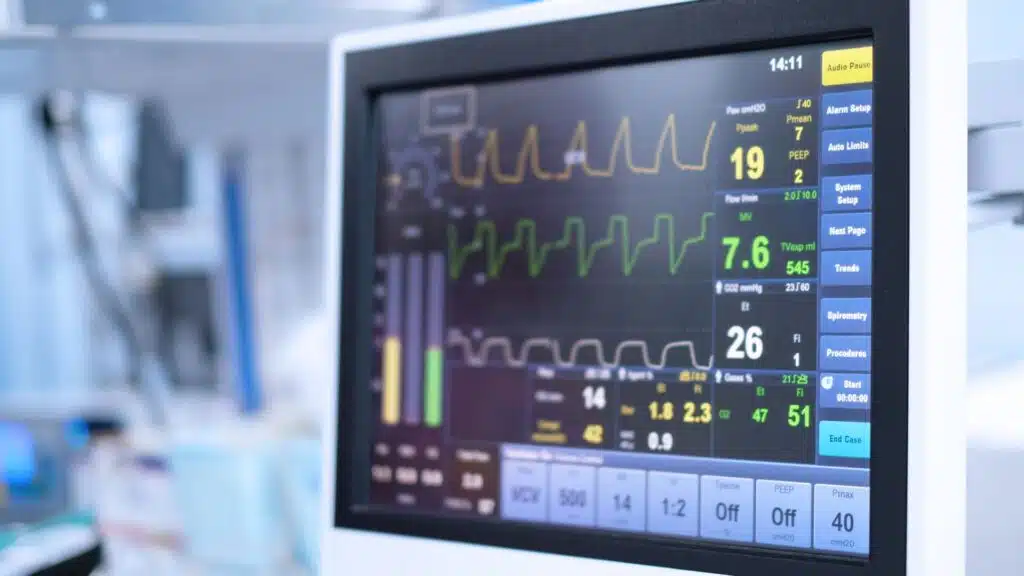

Tracheostomy & Ventilator Management
A tracheostomy and a ventilator can feel like foreign objects at first: tubes, machines, and sounds that take over a...


Legally Reviewed By
Attorney Rich Newsome
Catastrophic Injury & Medical Malpractice Attorney
25+ years experience

Learning your child has locked-in syndrome can feel like standing in a room with no map. It’s a rare diagnosis, especially in children, and that rarity brings its own quiet weight; few other parents have walked this exact path. But one truth holds steady: your child is still there. Aware, present, reachable. This guide is here to help you understand what comes next, gently and clearly.
We know this is a very scary and isolating experience, but understanding what your child is experiencing can help ground you.
Locked-in syndrome means your child is fully conscious and aware, but unable to move or speak. In its classic form, the only movement left is in the eyes, often vertical eye movement or blinking, which becomes your child’s sole way of reaching out. In more severe presentations, sometimes called total immobility LIS, even eye movement is lost, though awareness remains intact underneath.
This is different from a coma or a vegetative state, and the distinction matters. In those conditions, awareness itself is diminished or absent. With locked-in syndrome, awareness is preserved; your child can typically see, hear, think, and feel, even though their body cannot respond. It’s a difficult truth to sit with, but also an important one: your child has not left. They are present, taking things in, waiting to be reached.
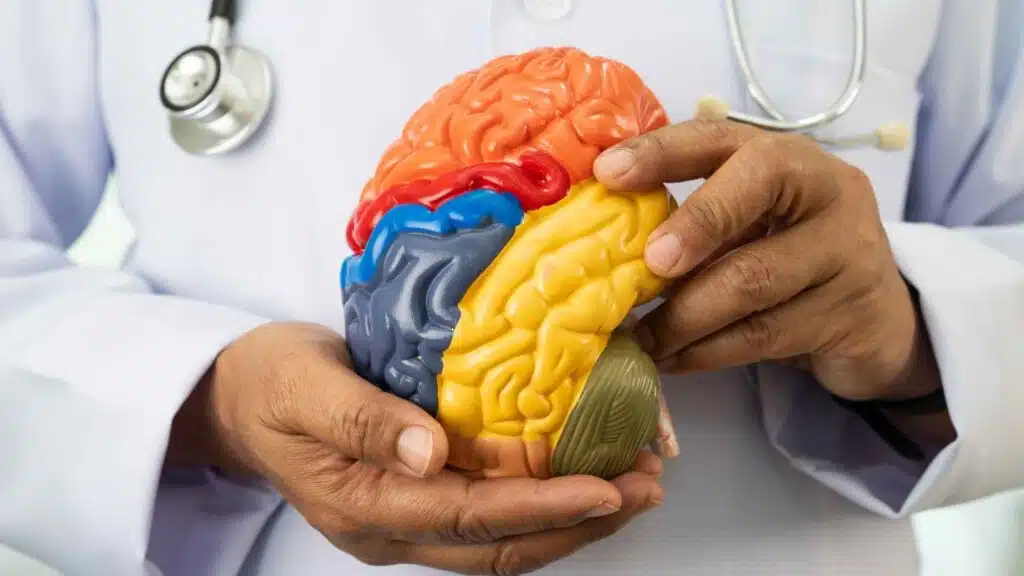
Locked-in syndrome develops when something disrupts the brainstem, the narrow passage at the base of the brain that carries nearly every signal between the brain and the rest of the body. In children, three pathways show up most often.
Meningitis and related infections can inflame or damage brainstem tissue, especially when symptoms are subtle at first or mistaken for something more common, like a viral illness. In some cases, treatment begins before the infection has caused lasting harm. In others, the progression outpaces diagnosis, and the damage is already done by the time it’s identified. Neither outcome reflects anything about the child; it reflects how quickly a serious infection can move.
Growths in or near this region, including tumors that are entirely benign, can press on or damage the structures responsible for movement and speech, either from the tumor itself or from the surgery needed to remove it. A tumor doesn’t have to be cancerous to be dangerous simply because of where it sits.
Even when a procedure is performed correctly, by a skilled surgeon, with full and honest disclosure of risk beforehand, surgery near the brainstem carries a recognized possibility of injury to that tissue. This exact situation played out on the television show Grey’s Anatomy: a nine-year-old girl undergoes surgery to remove a benign brain growth called a cavernous angioma. The surgery goes as expected, and she wakes up afterward alert, smiling, seemingly fine, but by the next morning, she cannot move or respond. She has developed locked-in syndrome, which progresses within days to its most severe form. Her doctor was not negligent, and her parents had been told beforehand that this was a possible outcome.
Understanding which of these paths led to your child’s diagnosis can help you know what questions are worth asking next.
One of the hardest parts of this diagnosis is not knowing what the future holds. It can help to know that kids with locked-in syndrome go on to live fulfilling lives.
Martin Pistorius offers one of the most documented examples. He developed a severe illness in early adolescence that left him locked in, initially believed to have little to no awareness at all. Over time, his awareness returned fully, even though he had no way to show it. Eventually, with support and the right tools, he learned to communicate again. He went on to teach himself computer skills, build a career in that field, marry, and write a memoir about his experience.
Many children with locked-in syndrome, particularly in its classic form, retain the ability to communicate through eye movement, blinking, or eye-tracking technology that translates gaze into speech or text. These tools restore communication and connection, the chance for your child to ask, answer, joke, and be known.
(A note on Martin Pistorius’s memoir: Parents considering this book for themselves should know it includes descriptions of physical and sexual abuse he experienced while unable to communicate that he was aware. It’s a valuable account of consciousness and resilience, but it is not light reading, and some parents may want to know this before picking it up. The abuse is discussed in the chapters Memories and Lurking in Plain Sight.)
If a delayed diagnosis led to permanent harm, you may be entitled to compensation. Speak with our legal team today.
Start My Free Case Review
Unfortunately, giving your child the care they need is costly. They will need some or all of the following:
All of this means your child will need round-the-clock care. As people with locked-in syndrome can live for several decades, these expenses are not short-term. There are other expenses that parents may not consider:
For many parents, the hardest question to answer is determining whether what happened to their child could have been prevented. Locked-in syndrome can follow two very different paths, and telling them apart matters.
Sometimes LIS follows:
In these situations, it’s reasonable to ask whether the care your child received was negligent.
Other times, LIS follows a procedure performed correctly, with appropriate consent and full disclosure of the risks beforehand. A known complication occurred despite everything being done right.
Neither outcome is easier to carry than the other, but they call for different responses.
This is not a task to take on yourself. We can handle it on your behalf. An independent medical review can help clarify what happened and why. This will help you determine your options for paying for your child’s care going forward.
There is no timeline for making sense of this. What matters most is that your child is still there—aware, present, and reachable—and that you don’t have to carry this alone. Whether questions about care remain or the path forward is simply about support, help exists for both. Take the time you need. Ask the questions that matter to you. Your family deserves clarity, compassion, and steady footing as you move ahead.
Get help from our locked-in syndrome attorney at Newsome Law when you are ready.
A tracheostomy and a ventilator can feel like foreign objects at first: tubes, machines, and sounds that take over a...

Locked-in syndrome (LIS) changes everything overnight, including a family's finances. Once income stops, Social Security disability benefits can become a...

While there are occasional cases that make the news of someone recovering from locked-in syndrome or a similar diagnosis, this...

The area of the brain that can cause locked-in syndrome (the pons) following a stroke is the same area of...

Because it causes near-global paralysis, takes away the ability to speak, and prevents a person from providing self-care, locked-in syndrome...

Locked-in syndrome occurs when an injury to the brainstem prevents the brain from communicating with the spinal cord and the...
Some people diagnosed with locked-in syndrome continue to feel pain and retain sensation throughout their body or in limited areas...

Patients with locked-in syndrome can hear you and may be able to respond. They typically have global paralysis, except for...