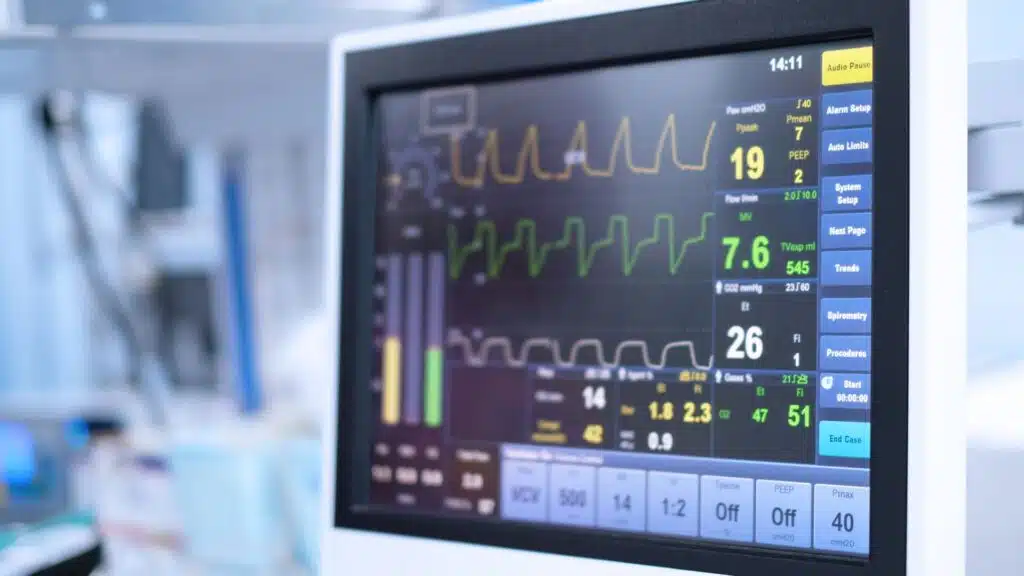

Tracheostomy & Ventilator Management
A tracheostomy and a ventilator can feel like foreign objects at first: tubes, machines, and sounds that take over a...


Legally Reviewed By
Attorney Rich Newsome
Catastrophic Injury & Medical Malpractice Attorney
25+ years experience

Locked-in syndrome occurs when an injury to the brainstem prevents the brain from communicating with the spinal cord and the rest of the human nervous system. Most commonly, this type of injury occurs because of a stroke, but it may also be the result of a traumatic brain injury. Rarely, a tumor or other medical condition can also cause this type of injury.
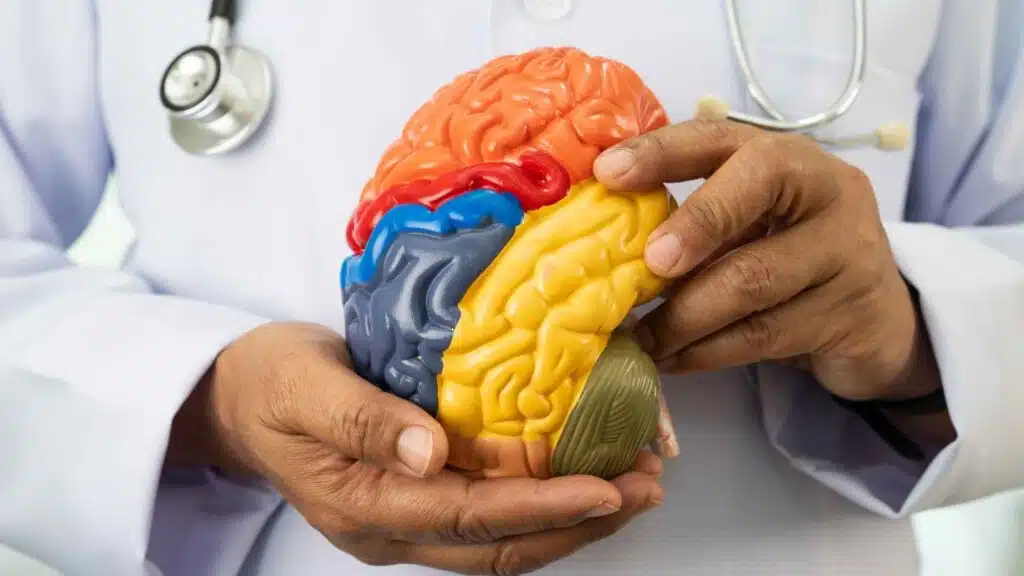
Locked-in syndrome occurs most often because of damage to a key structure of the brainstem called the pons. The pons provides a pathway, like a communication network, for the motor fibers that connect the cerebrum and cerebellum to the spinal cord and rest of the nervous system. This damage makes it impossible for nerve signals to make it from the brain to the muscles.
Locked-in syndrome is a neurological disorder that leaves a patient cognitively intact, conscious, and aware of their surroundings. However, it disconnects the spinal cord and nervous system from the signals sent by the brain. This results in near-global paralysis. Classically, those with this condition can move their eyes vertically and blink.
Some people suffer incomplete locked-in syndrome, meaning they retain additional movement in the body. When this occurs, it is a sign there are still some pathways open to connect the brain’s signals with the body’s muscles. They should receive rehabilitation that focuses on using their remaining movements and regaining movement in nearby areas of the body.
While most people with classic or incomplete locked-in syndrome can learn to communicate using special eye gaze devices, some may be able to learn to breathe on their own, empty their bladder and bowels, control a motorized wheelchair, and more.
Because locked-in syndrome so dramatically affects the nervous system and impedes transmission of nerve impulses, patients with the condition cannot obviously signal to caregivers that they are awake and aware of their surroundings. This condition is notoriously easy to misdiagnose. With many patients, it is not the doctor but a family member who first questions if the patient is conscious and cognitively intact.
A locked-in diagnosis can take weeks or months if the doctor is not proactive in checking for normal brain activity. In some cases, patients with locked-in syndrome have waited years for a caregiver or doctor to recognize the signs of locked-in syndrome.
While there is no treatment or cure for locked-in syndrome, patients who receive the right types of supportive care and who learn to communicate using vertical eye movements or blinking report a relatively high quality of life.
Recognizing locked-in syndrome is harder than it sounds. On the outside, a person with this condition can look completely unresponsive, even though their mind is fully awake and aware. Because of this, doctors often suspect a coma or a vegetative state at first, before testing further and discovering the patient is actually conscious.
As we mentioned before, it often isn’t the medical team who first suspects something different is going on; it’s a family member. Loved ones spend more time at the bedside and may notice small signs of awareness that hospital staff haven’t caught yet, like eyes that seem to track a conversation or blinks that appear to answer a question.
Once that concern is raised, the medical team has real work to do. A big part of reaching an accurate diagnosis is ruling out other conditions that can look similar from the outside, while also tracking down what caused the damage in the first place. To do this, doctors typically rely on a combination of tests, including:
Skipping or delaying this kind of thorough workup carries real consequences. When doctors aren’t proactive about testing for brain activity, patients can go undiagnosed for weeks, months, or even years. Until locked-in syndrome is properly recognized, patients may go without the communication tools and supportive care they need, even though they’ve been aware the entire time.
The correct diagnosis can allow them the dignity of taking part in their own care and medical decision-making.
If a delayed diagnosis led to permanent harm, you may be entitled to compensation. Speak with our legal team today.
Start My Free Case Review
When the doctor initially sees a patient, it is important they go to work immediately to understand what is wrong and take quick action to prevent further damage to the brain. This may include:
The faster a doctor identifies the issue and takes action, the higher the likelihood they can prevent the type of damage that leads to locked-in syndrome or even death.
Once a patient suffers this type of damage, it is usually irreversible. While it is true that patients can regain a good quality of life despite locked-in syndrome, they will typically also require ongoing care for the rest of their life. Significant recovery is rare, and most who do regain some movement continue to need support from family caregivers and home health providers.
In general, those with locked-in syndrome rely on others for everything. They may need help with:
If you or a loved one has locked-in syndrome, a locked-in syndrome attorney from Newsome Law would like to review your case. We can work with an independent medical expert to determine whether the care you received met the standard of care. Misdiagnosis and delayed diagnosis are common problems in these cases, and you may be eligible to pursue compensation if this happened to you.
You could pursue compensation to cover medical care, ongoing care costs, assistive devices, pain and suffering, and more. We can handle even the most complex cases. Call us whenever you are ready.
A tracheostomy and a ventilator can feel like foreign objects at first: tubes, machines, and sounds that take over a...

Locked-in syndrome (LIS) changes everything overnight, including a family's finances. Once income stops, Social Security disability benefits can become a...

Learning your child has locked-in syndrome can feel like standing in a room with no map. It's a rare diagnosis,...

While there are occasional cases that make the news of someone recovering from locked-in syndrome or a similar diagnosis, this...

The area of the brain that can cause locked-in syndrome (the pons) following a stroke is the same area of...

Because it causes near-global paralysis, takes away the ability to speak, and prevents a person from providing self-care, locked-in syndrome...
Some people diagnosed with locked-in syndrome continue to feel pain and retain sensation throughout their body or in limited areas...

Patients with locked-in syndrome can hear you and may be able to respond. They typically have global paralysis, except for...