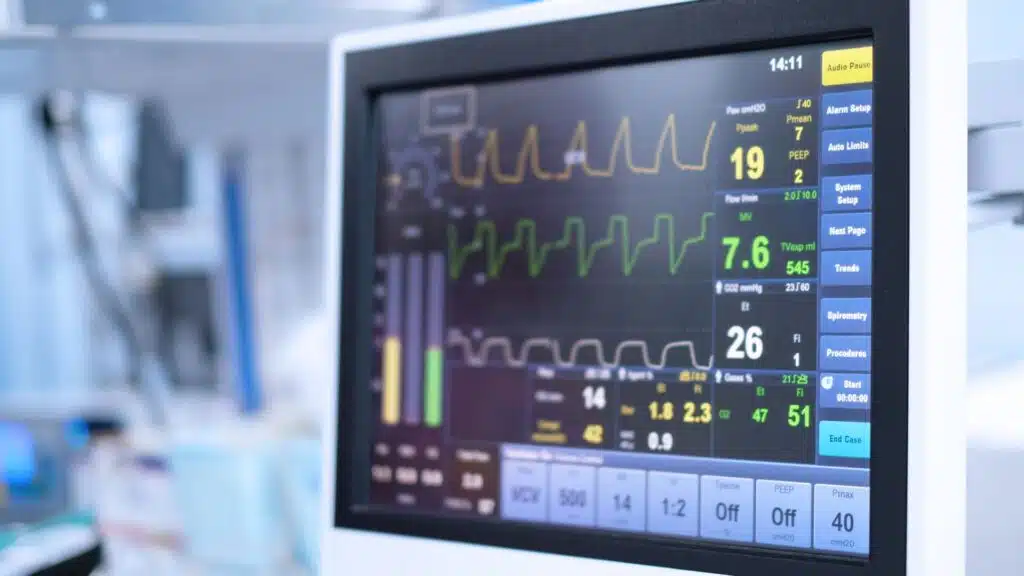

Tracheostomy & Ventilator Management
A tracheostomy and a ventilator can feel like foreign objects at first: tubes, machines, and sounds that take over a...


Legally Reviewed By
Attorney Rich Newsome
Catastrophic Injury & Medical Malpractice Attorney
25+ years experience

Some people diagnosed with locked-in syndrome continue to feel pain and retain sensation throughout their body or in limited areas of their body. Every case of locked-in syndrome is different, especially when it comes to those with an incomplete injury. If you or a loved one has a locked-in diagnosis, their doctor will likely run tests to find out if they:
There are three types of locked-in syndrome (LIS):
In classic cases of locked-in syndrome, the only motor movement retained following a stroke or another injury to the brainstem is vertical eye movement and the ability to blink, in some cases. Those with total locked-in syndrome do not retain any movement. Those with a diagnosis of incomplete locked-in syndrome, however, have various levels of injuries and abilities.
Many people with an incomplete diagnosis report feeling pain and retaining sensation in some or all of their body. Others with the condition may also feel pain or retain some sensation.
Pain is one of the aspects of locked-in syndrome that families often overlook, largely because it’s invisible. A loved one can’t say “my leg hurts” or “I’m uncomfortable lying this way.” That silence can be mistaken for absence. Research shows otherwise.
A study, published in Frontiers of Neuroscience, of patients living with locked-in syndrome found that more than half reported pain that had been present continuously in the weeks before they were surveyed. Most had lived with the condition for over a decade. Among those with pain, the majority pointed to their legs as the primary source, describing it as severe.
For most, the pain:
Lying flat was the position most often linked to worsening pain, though sitting and routine care also played a role for some. Fatigue made things worse, too. Encouragingly, adjusting position also eased discomfort for many patients, which underscores how much careful repositioning can help.
The effects reached beyond the physical. Most patients said pain interfered with concentration and deepened fatigue. For someone whose connection to the world runs through eye movement and sustained attention, that matters.
Treatment offered only moderate relief on average. Half of those surveyed said they’d be open to trying newer non-drug options like hypnosis or virtual reality.
As part of their diagnosis and understanding the best type of therapies to prescribe, doctors who treat cases of locked-in syndrome will conduct tests to learn more about nerve function, feeling, proprioception, and other important body functions. Often, this centers around an electroencephalogram (EEG).
An EEG measures brain function by looking at the electrical activity of the brain. In a person with locked-in syndrome, this test should show that there is normal brain activity. Sleep-wake cycles are also usually normal in people with locked-in syndrome.
In addition to an EEG, the doctor will likely also request evoked potentials testing. This is a special type of EEG that gauges the brain’s reaction to pain stimulation, among other types of stimulation. This allows the doctors to learn if the person retains the ability to feel pain.
They may also conduct tests that include electromyography, nerve conduction studies, and neurologic examination.
If a delayed diagnosis led to permanent harm, you may be entitled to compensation. Speak with our legal team today.
Start My Free Case Review
Locked-in syndrome is usually the result of a brainstem stroke that affects the pons or another injury to the same area of the brain. People with locked-in syndrome have little or no control over their motor movements, resulting in quadriplegia. They also cannot speak but remain cognitively intact. The earliest communication usually occurs through messages made by blinking or using vertical eye movement.
In those with incomplete locked-in syndrome, the person may retain the ability to move facial muscles, make small movements with the head, hands, or feet, or retain other movement.
People diagnosed with locked-in syndrome typically do not regain the ability to move or speak. Some can breathe on their own before they leave the hospital or rehabilitation facility, others regain the ability later, and some rely on medical assistance to breathe for the rest of their lives. There is no standard treatment or cure for locked-in syndrome.
Very rarely, people can make a significant recovery from locked-in syndrome. This could vary from moving a facial muscle or hand muscle enough to operate an electric wheelchair to learning to chew and swallow to relearning how to walk. Some people who have no sensation or feel any pain immediately following a brainstem stroke may regain sensation.
Even without significant improvements, those with locked-in syndrome can live a relatively good quality of life thanks to communication technology, power wheelchairs, and other modern medical devices. Many live at home with their families despite their impairments.
If you or a loved one suffered a brainstem stroke or traumatic brain injury and now has a locked-in syndrome diagnosis, the attorneys from Newsome Law will review your case for free. We can work with an independent medical expert to determine whether the care your loved one received met the standard of care. If not, you may have the opportunity to hold the negligent medical provider liable. You may be eligible if:
Your locked-in syndrome attorney can explain your right to pursue a payout and hold the at-fault party liable. We will file a claim or personal injury lawsuit on your behalf and seek damages that include:
Knowing your loved one may be in pain is difficult enough without having to deal with the legalities of holding a medical provider responsible. Our team can support you and your family through every aspect of this journey. We can be your shoulder to lean on and your fierce advocate against the insurance company or defendant’s legal team.
The Newsome Law team takes cases on a contingency fee basis, so you have nothing to lose when you contact us. You only pay for our time if and when we recover compensation for you. We’ll be here when you’re ready.
A tracheostomy and a ventilator can feel like foreign objects at first: tubes, machines, and sounds that take over a...

Locked-in syndrome (LIS) changes everything overnight, including a family's finances. Once income stops, Social Security disability benefits can become a...

Learning your child has locked-in syndrome can feel like standing in a room with no map. It's a rare diagnosis,...

While there are occasional cases that make the news of someone recovering from locked-in syndrome or a similar diagnosis, this...

The area of the brain that can cause locked-in syndrome (the pons) following a stroke is the same area of...

Because it causes near-global paralysis, takes away the ability to speak, and prevents a person from providing self-care, locked-in syndrome...

Locked-in syndrome occurs when an injury to the brainstem prevents the brain from communicating with the spinal cord and the...

Patients with locked-in syndrome can hear you and may be able to respond. They typically have global paralysis, except for...