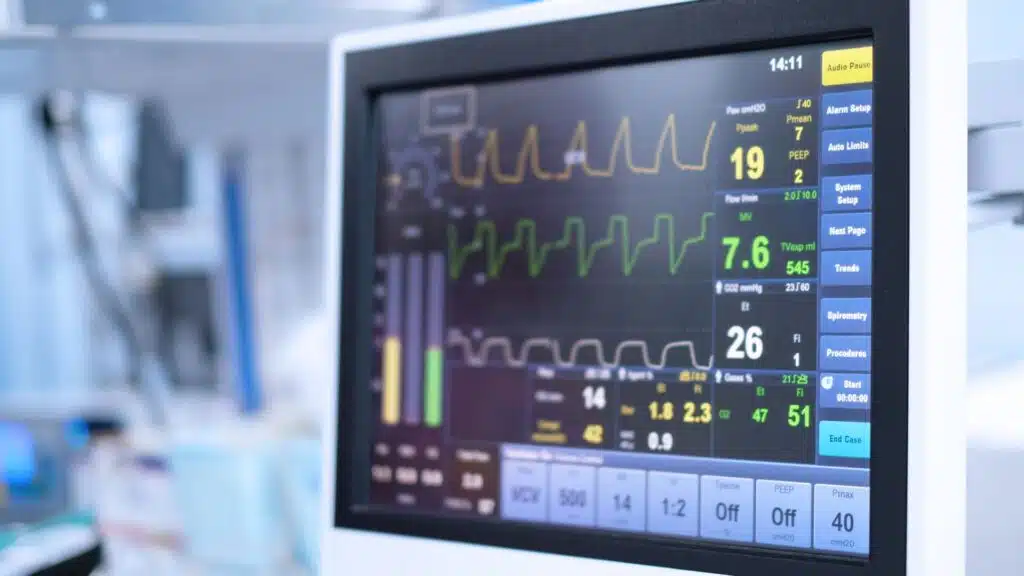

Tracheostomy & Ventilator Management
A tracheostomy and a ventilator can feel like foreign objects at first: tubes, machines, and sounds that take over a...


Legally Reviewed By
Attorney Rich Newsome
Catastrophic Injury & Medical Malpractice Attorney
25+ years experience

While there are occasional cases that make the news of someone recovering from locked-in syndrome or a similar diagnosis, this is incredibly rare. Most people diagnosed with this condition do not recover any significant motor function following their illness or injury. Those with an accurate diagnosis of locked-in syndrome suffer from a permanent locked-in condition in most cases.
There may be conditions that at first appear to be like locked-in syndrome that are reversible. For example, doctors initially diagnosed a Nebraska man with a stroke that affected the brain stem, but they later found he had posterior reversible encephalopathy syndrome. Following treatment for the condition, the man recovered motor function within a few weeks.
In one case, published in a book we reviewed, a woman in the United Kingdom was diagnosed with locked-in syndrome and was walking a year later. However, this is rare.
Based on the diagnostic criteria, those with locked-in syndrome suffer from a lack of motor function in most of the body. This includes a lack of significant movement in all four limbs, the head, and the neck.
They do, however, remain cognitively intact and aware of what is happening around them. They can generally hear and see, and many retain the ability to blink as well as vertical eye movements. In some cases, they may be able to move their fingers, toes, or head.
Some people struggle with autonomic functions such as breathing, temperature regulation, and sleep patterns, although not all require mechanical ventilation or other life-sustaining support.
There is some limited research to show that patients with locked-in syndrome who quickly recover smooth horizontal eye movements may have a higher chance of a more significant recovery than those who do not have horizontal eye movement within a few weeks of their initial illness or injury.
Locked-in syndrome often occurs because of damage to nerve cells, the myelin sheath, or the brainstem. When an illness, injury, or condition damages these integral parts of the brain and nervous system, the effects can be catastrophic. Locked-in syndrome may occur because of:
In most cases, the damage done to the brainstem or nervous system is enough to cause permanent injuries and lasting impairment. Occasionally, though, the damage may be incomplete. When this occurs, the patient may recover some motor function or make a near-complete recovery with intensive rehabilitation and therapy.
There is no standard treatment or cure for locked-in syndrome. Treatment generally focuses on prevention of secondary infections and improving quality of life. Establishing communication is often a top priority, possible through:
Family members can learn to provide care while home health appointments can manage feedings and respiratory support once the patient returns home. With help from lifts, customized power chairs, and other equipment, many people with locked-in syndrome can live a relatively high quality of life.
Those with early signs of recovery may require inpatient rehabilitation and intensive therapy that includes physical therapy, occupational therapy, speech therapy, and a focus on regaining movement, rebuilding strength, and relearning skills.
If a delayed diagnosis led to permanent harm, you may be entitled to compensation. Speak with our legal team today.
Start My Free Case Review
Because locked-in syndrome is, in most cases, a permanent condition, the cost of care is not a short-term expense. It is a lifetime commitment that can span decades, since cognitive awareness remains intact and many patients live for many years following their diagnosis.
Understanding what care typically involves helps explain why the financial burden is so significant:
Because these needs rarely lessen over time, families are often faced with planning not for weeks or months, but for years of sustained, high-level care.
| Type of Care | Estimated Cost Throughout the US |
| Non-medical caregiver | $35/hour |
| Private duty nurse | $90/hour |
| Private duty nurse | $160/visit |
| Long-term care facility, e.g., nursing home (semi-private room) | $114,975/year |
| Long-term care facility, e.g., nursing home (private room) | $129,575/year |
Source: Genworth
It’s important to note that this is the median cost for the United States. Some states have lower care costs while others have much higher costs. Costs can differ throughout a state as well.
There are other costs associated with caring for a loved one with locked-in syndrome. You may need to reduce your hours, quit your job, or retire from the workforce to care for your loved one. Depending on your profession, you could be losing tens or even hundreds of thousands of dollars.
Depending on your situation, you may be able to rely on:
We can help you understand these options. Our team can have an independent medical expert review the care your loved one received to determine whether their diagnosis resulted from a failure to meet the standard of care.
If your loved one’s locked-in syndrome diagnosis was the result of a failure to uphold the standard of care, you may be eligible to pursue compensation for the past and future losses and expenses associated with their condition. We can also help you fight for compensation if your locked-in syndrome resulted from a traumatic brain injury.
Call our office when you are ready. We charge nothing upfront and you only pay for our time if and when we recover compensation for your family.
A tracheostomy and a ventilator can feel like foreign objects at first: tubes, machines, and sounds that take over a...

Locked-in syndrome (LIS) changes everything overnight, including a family's finances. Once income stops, Social Security disability benefits can become a...

Learning your child has locked-in syndrome can feel like standing in a room with no map. It's a rare diagnosis,...

The area of the brain that can cause locked-in syndrome (the pons) following a stroke is the same area of...

Because it causes near-global paralysis, takes away the ability to speak, and prevents a person from providing self-care, locked-in syndrome...

Locked-in syndrome occurs when an injury to the brainstem prevents the brain from communicating with the spinal cord and the...
Some people diagnosed with locked-in syndrome continue to feel pain and retain sensation throughout their body or in limited areas...

Patients with locked-in syndrome can hear you and may be able to respond. They typically have global paralysis, except for...