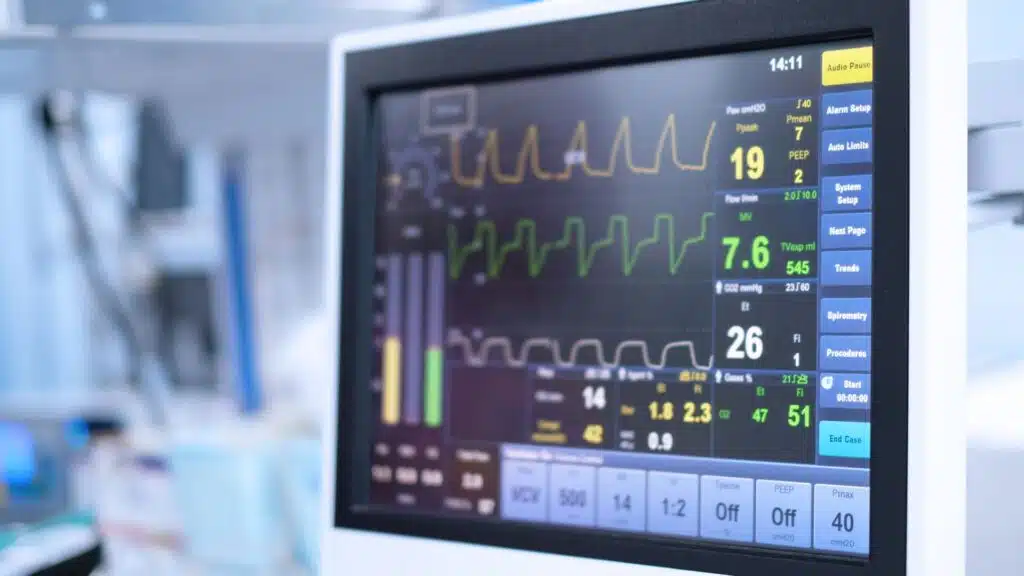

Tracheostomy & Ventilator Management
A tracheostomy and a ventilator can feel like foreign objects at first: tubes, machines, and sounds that take over a...


Legally Reviewed By
Attorney Rich Newsome
Catastrophic Injury & Medical Malpractice Attorney
25+ years experience

Because it causes near-global paralysis, takes away the ability to speak, and prevents a person from providing self-care, locked-in syndrome affects almost every aspect of a person’s life. Most people never regain meaningful movement or speech after a locked-in diagnosis. However, many patients report a relatively high quality of life despite living with the condition.
Because locked-in syndrome is most commonly caused by a stroke affecting the brainstem, it often develops suddenly, leaving both patients and families with little time to prepare. Waking up locked-in can be frightening, especially in the early hours or days, when medical staff may not yet recognize that the person is fully aware. A patient may be experiencing pain, discomfort, or basic needs, such as thirst, an itch, or an uncomfortable position, without any way to communicate them.
This combination of physical helplessness and full cognitive awareness can understandably lead to anxiety, fear, or depression, particularly before a reliable communication method is established. Once caregivers and medical teams recognize that the patient can see, hear, think, and feel, care often shifts in meaningful ways: conversations are directed to the patient rather than around them, and small comforts, adjusting a pillow, dimming a light, and explaining what is happening next, can be addressed proactively rather than overlooked.
Establishing a simple communication system, even something as basic as blinking once for “yes” and twice for “no,” can ease much of this early distress. It gives the patient a way to signal pain, discomfort, or need, and it reassures both the patient and their family that awareness is intact and connection is still possible. Emotional support for patients, along with guidance and reassurance for family members, plays an important role during this period and continues to matter throughout the course of care.
Even after a patient can reliably communicate, depression does not necessarily resolve. The feeling of helplessness combined with the grief that comes with having to come to terms with a body that no longer responds can persist long after the early crisis has passed. Establishing communication solves one problem, but it does not undo the loss of independence, mobility, or the life the person had before their diagnosis.
For many patients, this grief surfaces gradually. Once the initial relief of being understood fades, the day-to-day reality of relying on others for nearly every physical need can settle in. Patients may mourn specific things:
These are reasonable, human responses to a life-altering diagnosis, not signs that something has gone wrong with treatment or care.
Family members and caregivers can help by acknowledging this grief rather than minimizing it. Encouraging a patient to express sadness or frustration through their communication device or system gives them room to process these feelings rather than carry them silently. Mental health support, when available, can also provide patients with tools to work through depression over time, just as it would for anyone facing a profound and lasting change in their circumstances.
Recognizing that awareness never diminishes a patient’s inner life is central here: patients with locked-in syndrome continue to think, feel, and reflect with the same depth as before their diagnosis. Depression is not a reflection of diminished awareness, but a reasonable response from a person who remains fully present and is adjusting to a new reality.
People with locked-in syndrome need help with almost everything. Many require help with breathing, although many also regain the ability to breathe on their own. They need a feeding tube or someone to feed them and assistance with toileting and hygienic tasks. Some need skilled nursing care, but many can live at home with the help of family and home care workers. However, this is often a full-time commitment from family.
Electric wheelchairs, lifts, specialized hospital beds, and wheelchair accessible vans are key parts of ensuring people with locked-in syndrome remain active and involved with their family and friends.
Locked-in syndrome is isolating. Communication is essential. Those with complete locked-in syndrome who cannot easily communicate using eye gaze devices or blink codes cannot interact with their friends and family as readily as those with a classic or incomplete locked-in diagnosis. When a patient has an easy method of communication, even when it requires a special device, they can participate in conversations and play a more active role in their community in general.
In the 1960s through 1990s, blinking and eye movements were the primary methods of communication for those with locked-in syndrome. Over the last few decades, eye gaze devices have advanced, offering a way for people to communicate on their own and even use the Internet and send emails. Brain/computer interfaces may even make it possible for those with complete locked-in syndrome to communicate in the near future.
If a delayed diagnosis led to permanent harm, you may be entitled to compensation. Speak with our legal team today.
Start My Free Case Review
Locked-in syndrome is an extremely limiting impairment, but that does not mean those with this diagnosis cannot live a fulfilling life. Today more than ever, technology allows those with limited movement and physical abilities to engage with others both in-person and online.
When asked to report their quality of life, people with locked-in syndrome report having meaningful lives. In general, their quality of life is better than that of people with other severe conditions. Ensuring your loved one plays an active role in family decisions and activities, enrolling in appropriate social services, and helping them get out of the house when possible can all help improve quality of life.
In general, once someone gets a locked-in syndrome diagnosis, they may regain the ability to breathe or swallow, but most never recover significant movement. In rare instances, some people regain the ability to talk or walk, but there is no known cure or treatment. Instead, treatment for locked-in syndrome centers on reducing the risk of pressure sores, pneumonia, and other secondary infections and improving quality of life.
Treatment generally addresses health concerns as they arise. Doctors and therapists ensure patients have the right rehabilitative therapies and devices they need and provide family members with training as caregivers. In this way, medical care providers can help to give patients with locked-in syndrome the best possible quality of life despite their impairments and little hope for full recovery.
The care your loved one will require for decades can bankrupt a family. A locked-in syndrome lawyer from our firm can review the care your loved one received to determine whether it met the standard of care. In either case, we’ll tell you what the independent medical expert we hire finds. You decide what you want to do with that information, whether it is seeking closure or taking legal action. We’ll support whatever route you take. If you decide to take legal action, we can handle all aspects of your case while you focus on your loved one. Our team will fight for the following on your behalf:
Call whenever you are ready. A member of the Newsome Law team can evaluate your case for free.
A tracheostomy and a ventilator can feel like foreign objects at first: tubes, machines, and sounds that take over a...

Locked-in syndrome (LIS) changes everything overnight, including a family's finances. Once income stops, Social Security disability benefits can become a...

Learning your child has locked-in syndrome can feel like standing in a room with no map. It's a rare diagnosis,...

While there are occasional cases that make the news of someone recovering from locked-in syndrome or a similar diagnosis, this...

The area of the brain that can cause locked-in syndrome (the pons) following a stroke is the same area of...

Locked-in syndrome occurs when an injury to the brainstem prevents the brain from communicating with the spinal cord and the...
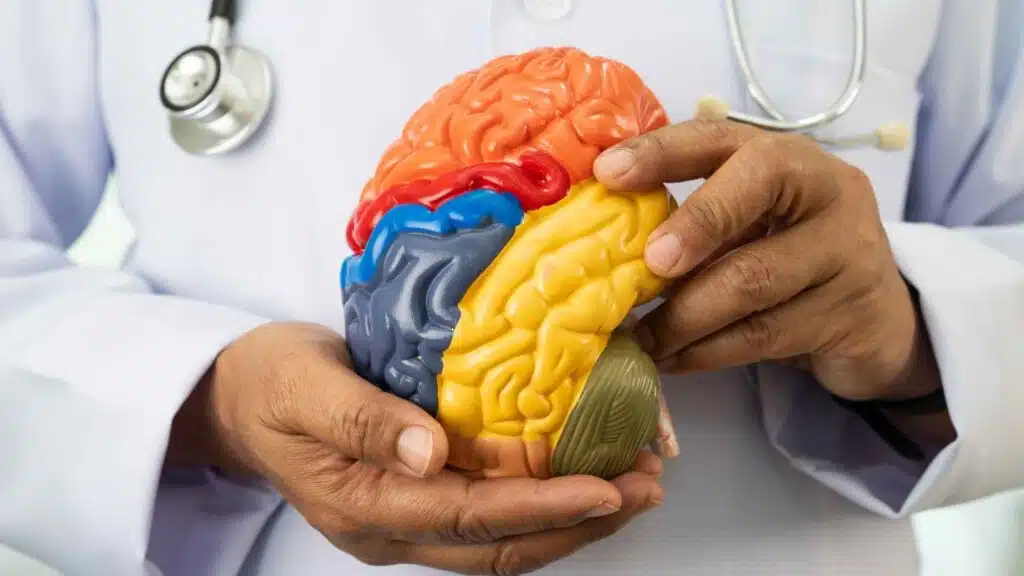
Some people diagnosed with locked-in syndrome continue to feel pain and retain sensation throughout their body or in limited areas...

Patients with locked-in syndrome can hear you and may be able to respond. They typically have global paralysis, except for...