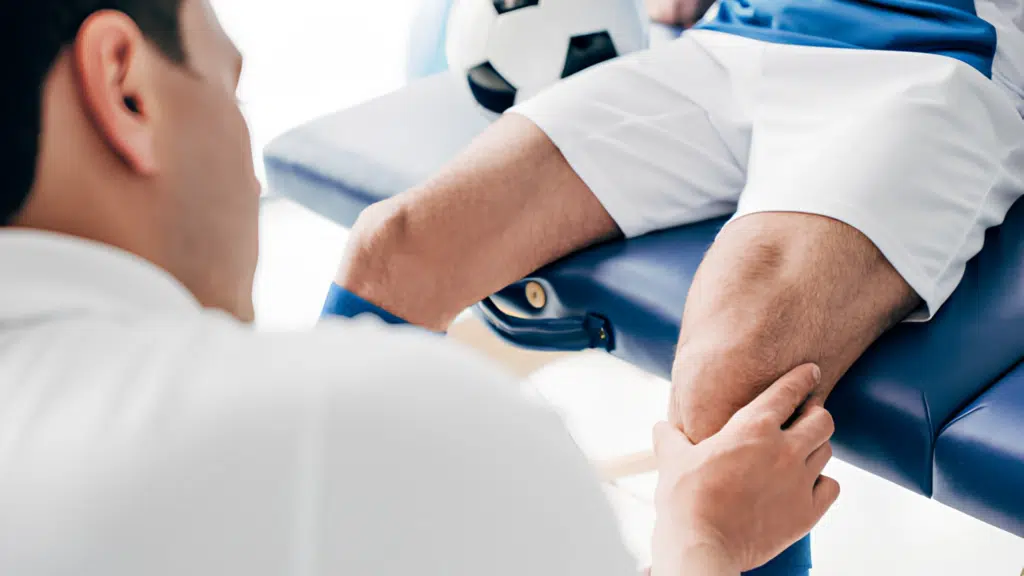

The Dangerous Effects of Second Impact Syndrome in Sports
What is Second Impact Syndrome? Loss of consciousness after the initial injury followed by secondary brain damage creates ionic fluxes,...


Legally Reviewed By
Attorney Rich Newsome
Catastrophic Injury & Medical Malpractice Attorney
25+ years experience
Locked-in syndrome is one of the most devastating neurological conditions a person can experience. Patients retain full cognitive function but are completely paralyzed — unable to speak, move their limbs, or even breathe independently. In most cases, only vertical eye movement remains as a means of communication.

Locked-in syndrome (LIS) occurs when damage to the brain stem — specifically the ventral pons — disrupts the neural pathways that control voluntary movement. The person remains fully awake and aware but is physically “locked in” to their body.
There are three forms of the condition: classic (complete paralysis except vertical eye movement), incomplete (some voluntary movement preserved), and total (no movement at all, including eyes). The classic form is the most commonly seen following a stroke.
The most frequent cause of locked-in syndrome is a brainstem stroke — specifically a basilar artery occlusion. Because the basilar artery supplies blood to the pons, blockage or rupture of this vessel can rapidly destroy the neurons responsible for motor control.


Other causes include traumatic brain injury, tumor growth, and demyelinating disease. In medical malpractice cases, the focus is typically on whether a stroke was diagnosed and treated in a timely manner.
Basilar artery strokes are notoriously difficult to diagnose — but that does not excuse a healthcare provider who misses the warning signs. The classic FAST (Face, Arms, Speech, Time) framework often fails to capture brainstem stroke symptoms, which can include:
When a physician dismisses these symptoms as inner ear problems, migraines, or anxiety — and fails to order the appropriate imaging — the consequences can be catastrophic. If a timely diagnosis and treatment (such as intravenous thrombolysis or mechanical thrombectomy) could have prevented locked-in syndrome, the physician and hospital may bear legal liability.
“When a timely diagnosis could have prevented a catastrophic outcome, families deserve to understand whether negligence played a role — and what legal options are available to them.”
A successful medical malpractice claim for stroke misdiagnosis resulting in locked-in syndrome can recover compensation for: past and future medical expenses, long-term care and rehabilitation, assistive technology and home modification, lost earning capacity, pain and suffering, and loss of consortium.
These cases require expert medical testimony, detailed record review, and an attorney with specific experience in neurological injury claims. The statute of limitations varies by state, so families should act promptly.
If a delayed diagnosis led to permanent harm, you may be entitled to compensation. Speak with our legal team today.
Start My Free Case Review
If you believe a loved one’s locked-in syndrome may have been caused or worsened by delayed diagnosis or medical negligence, the first step is a free case review. Our legal team will assess your situation, explain your options, and help you decide whether to pursue a claim — all with no upfront cost and no obligation.
More text after the shortcode to confirm it can sit mid-article.
What is Second Impact Syndrome? Loss of consciousness after the initial injury followed by secondary brain damage creates ionic fluxes,...
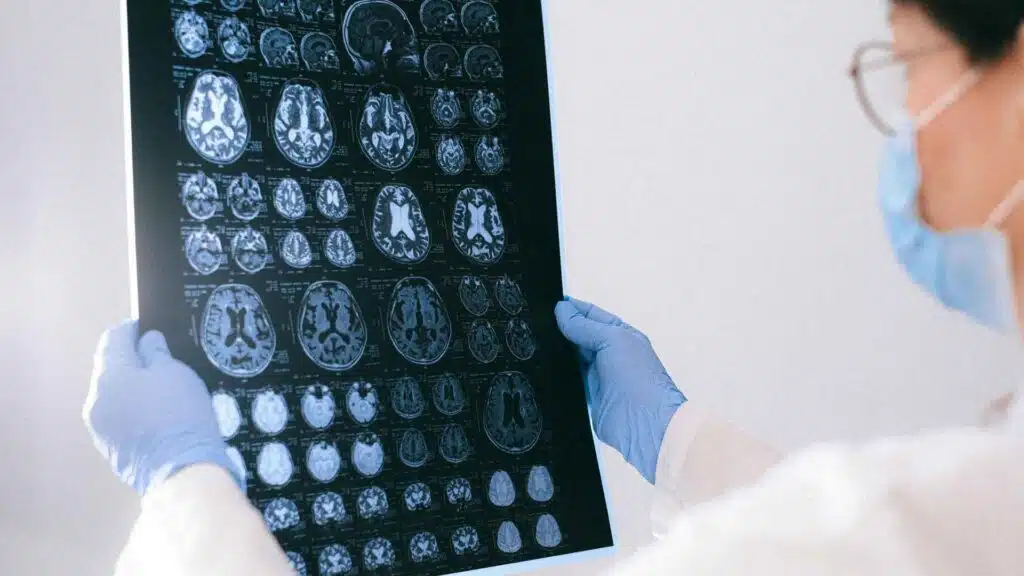
Imagine going to the hospital because your sodium levels are dangerously low. Doctors fix it fast, but the treatment itself...
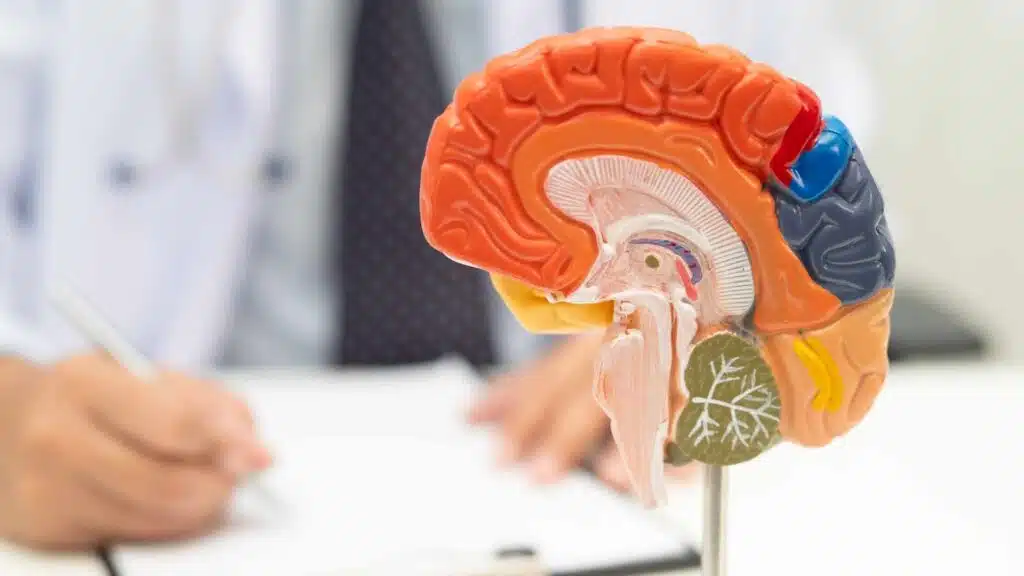
Locked-in syndrome (LIS) is a condition that causes almost total paralysis. It can result from a traumatic brain injury that...

Factors That Affect Life Expectancy There are several factors that can impact the life expectancy of a person with LIS,...

A compassionate guide for caregivers who need care, too Cecelia Williams wrote The 7-Day Reset for Caregivers Who’ve Lost Themselves...

Question: In the spring of last year, I received a brain injury in auto accident. Within a month I hired...

What is Second Impact Syndrome? In patients who sustains a second concussion when the first one has not fully healed,...
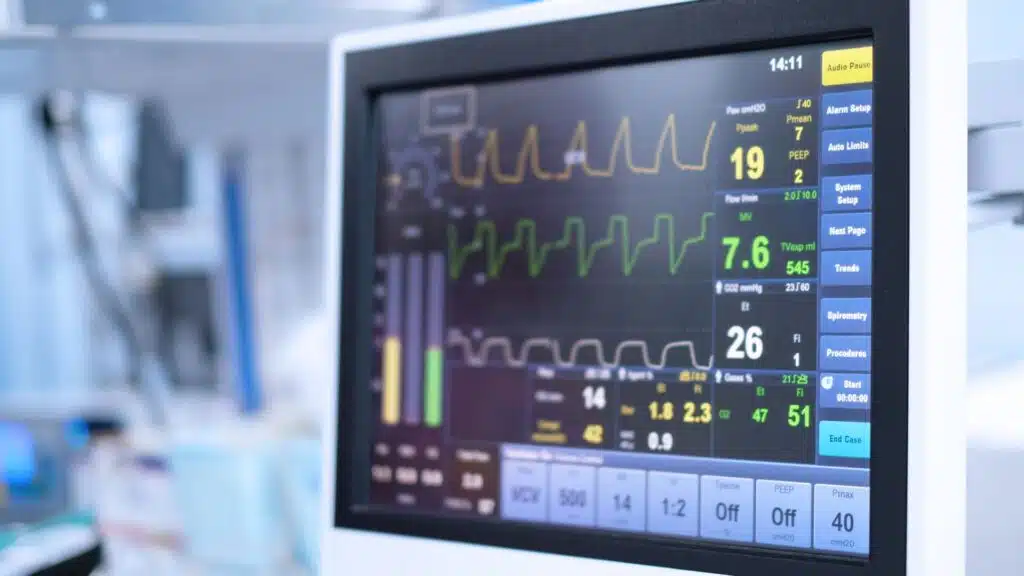
A tracheostomy and a ventilator can feel like foreign objects at first: tubes, machines, and sounds that take over a...