
Medication Errors Leading to Brainstem Hemorrhage
Most people think of medication errors as something small. A missed pill. A mix-up at the pharmacy counter. But some...

Because brain injuries are so different, no two rehabilitations programs are the same. Rather, brain injury rehabilitation programs should be individualized according to the patient’s unique needs. The goal of rehabilitation is to help the person with the brain injury regain as much brain function as possible. Rehabilitation may include therapies designed to help the patient relearn everyday activities such as talking or walking, or they may be geared toward helping the patient compensate for permanent damage.

Legally Reviewed By
Attorney Rich Newsome
Catastrophic Injury & Medical Malpractice Attorney
25+ years experience

When the person with the brain injury is stable, he or she will be moved to an acute rehabilitation unit. These are inpatient units designed to allow the patient access to a wide variety of therapies and specialists. Acute rehabilitation may include:
Subacute rehabilitation is a less intensive level of therapy, and is generally provided over a longer period of time than acute rehab. Most people who enter subacute rehabilitation have made some progress in function but are still progressing. Subacute rehabilitation often takes place at a nursing facility.
This is for the patient who continues to progress enough to return home in the evenings. This type of rehab takes place in a hospital or nursing facility, and occurs throughout the majority of the day.
This type of rehabilitation is for the person who has made significant gains, but would like to continue to progress in certain areas. In addition, a person with a mild or moderate brain injury that did not require hospitalization may use outpatient rehabilitation to deal with any functional issues as a result of the injury.
This type of rehabilitation prepares a person with a brain injury to return to work, school, and life. During this stage, families often consult a brain injury lawyer to help recover compensation for medical costs, lost income, and ongoing care needs.
Most people think of medication errors as something small. A missed pill. A mix-up at the pharmacy counter. But some...
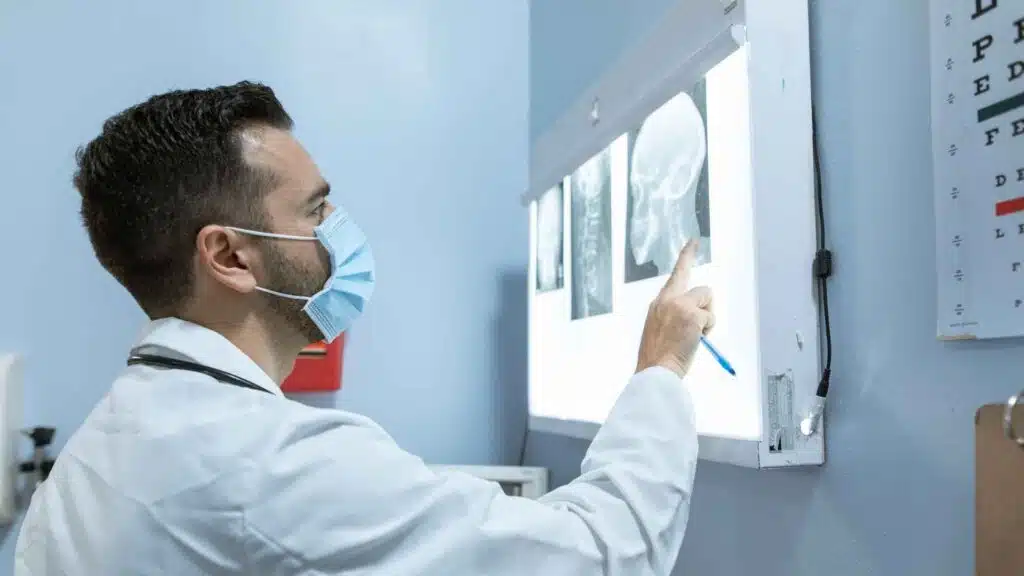
Some brain conditions don't come from an injury or a stroke. They come from something that happens inside the body's...
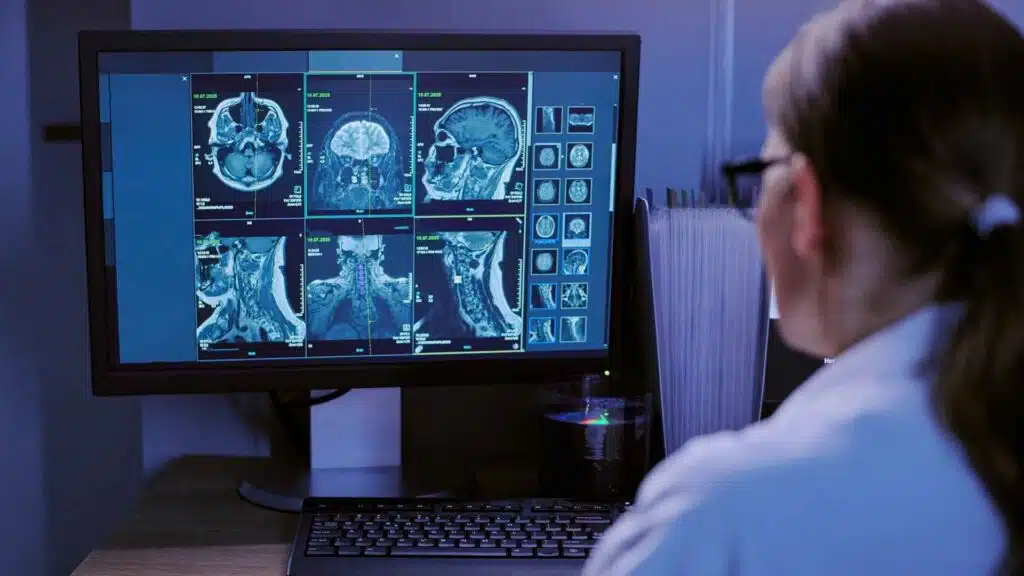
Brainstem strokes are the most common cause of locked-in syndrome. Understanding how brainstem strokes occur, what they affect, and how...
Most people who've heard of locked-in syndrome think of it as a physical condition. But the people who actually live...

Locked-in syndrome leaves patients fully conscious but almost entirely paralyzed, unable to move or speak. While meaningful motor recovery is...

Strokes are commonly misdiagnosed. However, every minute an ischemic stroke goes untreated, the brain loses neurons. tPA can reverse damage,...
Locked-in syndrome (LIS) is costly in all aspects. Establishing damages in a locked-in syndrome medical malpractice case is integral to...
In the moments after a stroke misdiagnosis, the question is not simply what went wrong but whether the care provided...