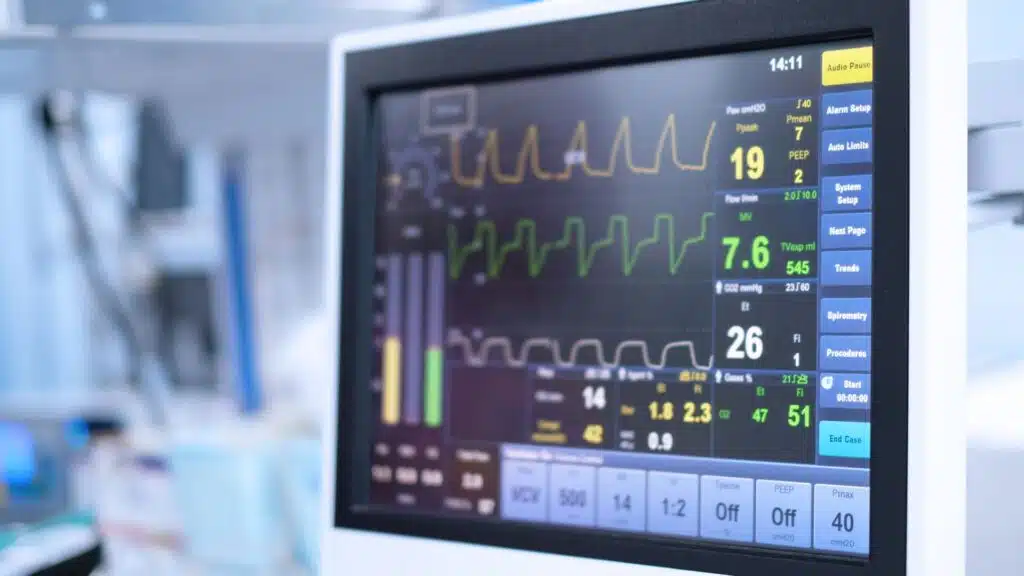

Tracheostomy & Ventilator Management
A tracheostomy and a ventilator can feel like foreign objects at first: tubes, machines, and sounds that take over a...

Locked-in syndrome can occur from any injury or illness that affects a specific part of the brain. Below, our locked-in syndrome lawyers discuss the potential causes and the care people with locked-in syndrome often need.

Legally Reviewed By
Attorney Rich Newsome
Catastrophic Injury & Medical Malpractice Attorney
25+ years experience

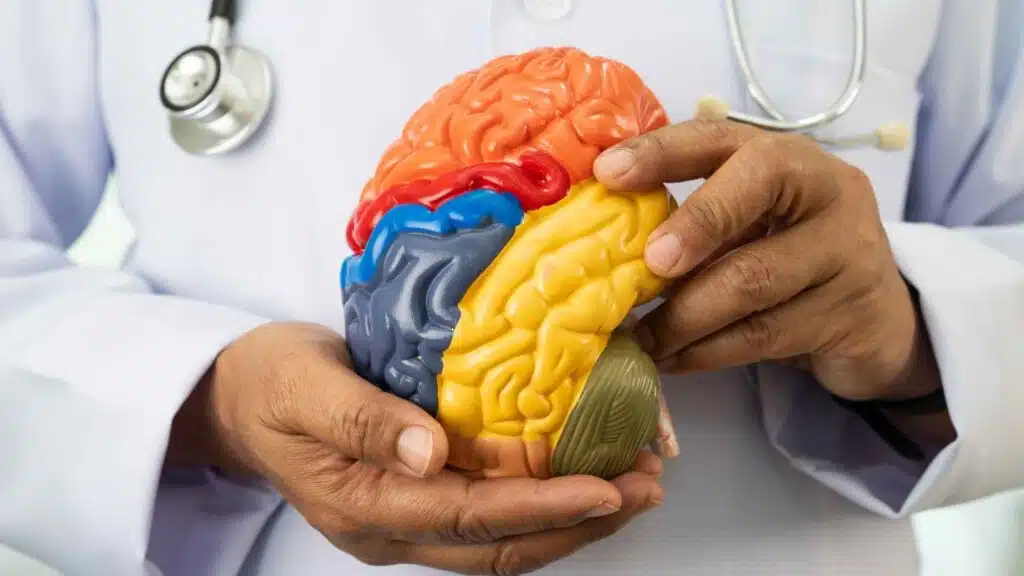
Locked-in syndrome (LIS) happens when there is damage to the pons. The pons is a part of the brainstem, a part of the body that connects the brain to the spinal cord and controls breathing, sleep-wake cycles, movement, pain signals, and balance.
Several things can damage the pons and cause locked-in syndrome.
Stroke is the most common cause of locked-in syndrome. Ischemic stroke and hemorrhage together cause the majority of cases, according to StatPearls. According to the meta-analysis:
According to the Cleveland Clinic, a stroke that affects certain pathways in the brainstem, called the corticospinal, corticopontine, or corticobulbar tracts, is the most common cause of LIS.
An ischemic stroke happens when blood flow to part of the brain is blocked. In the case of LIS, this blockage cuts off blood flow to the pons. When something goes wrong with the arteries that feed the pons, it can lead to locked-in syndrome. Because the brainstem carries messages between the brain and the rest of the body, damage to it can cause the near-total paralysis that is the hallmark of LIS.
People with high blood pressure, hardening of the arteries (atherosclerosis), or an irregular heartbeat (atrial fibrillation) may have a higher risk of the kind of stroke that leads to LIS, according to StatPearls.
A hemorrhage is bleeding in or around the brain. It can cause LIS by directly destroying tissue in the brainstem or in the areas surrounding it. Hemorrhage can also lead to stroke, which, as noted above, is the most common cause of locked-in syndrome.
Traumatic brain injury is the second most common cause of locked-in syndrome, after vascular causes like stroke and hemorrhage, per StatPearls. LIS can happen if a head injury damages the brainstem directly or puts pressure on it.
This kind of injury can come from a blunt hit to the head or from a penetrating injury, such as a wound that tears or blocks the arteries that supply blood to the brainstem. In one reported case, a person developed LIS after a trauma even though there was no direct physical damage to the brainstem itself. Instead, swelling and pressure from the injury pressed on the brainstem and caused the same effect, according to StatPearls.
Central pontine myelinolysis (CPM), also called osmotic demyelination syndrome, is another cause of locked-in syndrome. CPM damages myelin, which is the protective coating around nerve cells in the pons, according to the Cleveland Clinic.
CPM most often happens when sodium levels in the blood rise too quickly. This usually occurs while a patient is being treated for low sodium levels, called hyponatremia. Conditions that can lead to low sodium in the first place include:
When sodium rises too fast, water is pulled out of nerve cells, causing them to shrink and become damaged. Nerve cells in the pons are especially vulnerable to this kind of injury. In severe cases, this damage can cause paralysis of all the muscles except those that control the eyes.
Doctors have described real cases of this happening. In one report, a 44-year-old man’s sodium level was corrected from 118 mEq/L to 134 mEq/L within just 18 hours. About a week later, he developed weakness that progressed to complete paralysis of his arms and legs; only the ability to blink remained. Brain imaging confirmed locked-in syndrome caused by CPM. Correcting sodium levels too quickly raises the risk of this kind of damage.
Unlike some other causes of LIS, recovery from CPM-related locked-in syndrome is sometimes possible with intensive, long-term rehabilitation.
Locked-in syndrome can also result from:
Doctors classify locked-in syndrome into three types, based on how much movement and function a person has left, not based on what caused the condition. The three types of LIS are:
These categories describe the degree of paralysis a person has, not the specific illness or injury that caused it. Any of the causes described earlier can potentially result in any of the three types, depending on how much damage occurs and exactly where in the pons it happens.
Even though the cause doesn’t determine which “type” a person is labeled with, it can be connected to how severe the condition is and how well someone may recover.
Doctors also use the cause of a person’s locked-in syndrome to guide treatment, which can shape recovery. For example:
Regardless of the underlying cause, doctors use similar tools to figure out both what type of locked-in syndrome a person has and what caused it, including MRI or CT scans of the brain, physical exams that test motor function and reflexes, and EEG (a test of brain wave activity) to check for consciousness in cases where no movement is possible.
If a delayed diagnosis led to permanent harm, you may be entitled to compensation. Speak with our legal team today.
Start My Free Case Review
There is no known cure for locked-in syndrome that occurs because of damage to the brain stem, poison or venom, or other illness or injury. Those who receive this diagnosis generally do not recover motor function. Their doctors offer support for breathing, hydration, and nutrition, and work to prevent further injuries such as bed sores.
While there is no cure and typically no way to recover lost motor function, there are many types of assistive equipment that can make everyday life easier on the person and their family. Lifts, hospital beds, and power wheelchairs make it possible to get out of bed and experience the world, while communication tools make it possible to talk about it.
Technology has and will likely continue to improve the quality of life for those with locked-in syndrome. This includes:
Locked-in syndrome is not always preventable, but getting an accurate diagnosis and medical assistance is key in maintaining the quality of life. In some cases, your family may be eligible to pursue compensation through a medical malpractice or personal injury case with the help of a locked-in-syndrome lawyer. This may be true if:
If your family member has a locked-in syndrome diagnosis, let the team from Newsome Law review your case. We can explain your loved one’s rights and your options for pursuing compensation. Our case reviews and consultations are always free.
If you qualify, we can take legal action on your behalf, going after the damages your family deserves to help you cover ongoing care costs and other expenses. This may include:
Locked-in syndrome brings overwhelming challenges, but understanding its causes can help families make sense of a difficult diagnosis and consider what options may be available. If you have questions about the care your loved one received, we can help you find the answers.
Newsome Law offers free, no-pressure consultations to help you explore next steps.
A tracheostomy and a ventilator can feel like foreign objects at first: tubes, machines, and sounds that take over a...

Locked-in syndrome (LIS) changes everything overnight, including a family's finances. Once income stops, Social Security disability benefits can become a...

Learning your child has locked-in syndrome can feel like standing in a room with no map. It's a rare diagnosis,...

While there are occasional cases that make the news of someone recovering from locked-in syndrome or a similar diagnosis, this...

The area of the brain that can cause locked-in syndrome (the pons) following a stroke is the same area of...

Because it causes near-global paralysis, takes away the ability to speak, and prevents a person from providing self-care, locked-in syndrome...

Locked-in syndrome occurs when an injury to the brainstem prevents the brain from communicating with the spinal cord and the...
Some people diagnosed with locked-in syndrome continue to feel pain and retain sensation throughout their body or in limited areas...