
Medication Errors Leading to Brainstem Hemorrhage
Most people think of medication errors as something small. A missed pill. A mix-up at the pharmacy counter. But some...

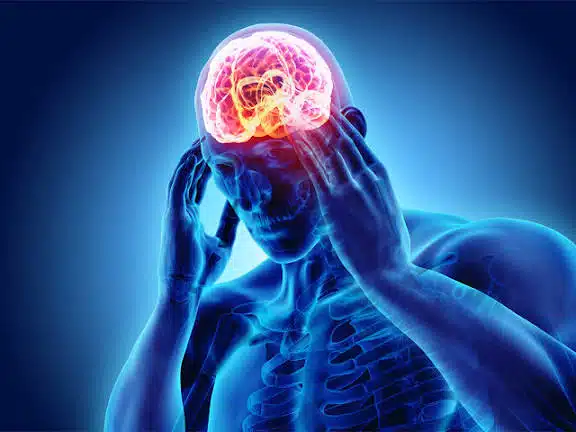
Going into shock can cause an acquired brain injury by reducing the amount of oxygen-rich blood that reaches the brain. Without blood and oxygen, the brain quickly begins deteriorating. Neural cells die, and a shock acquired brain injury (ABI) can occur. This is one reason it is imperative that someone exhibiting signs of shock gets medical care as soon as possible.

Legally Reviewed By
Attorney Rich Newsome
Catastrophic Injury & Medical Malpractice Attorney
25+ years experience

If someone goes into shock, their organs are not getting the blood flow they need. As shock progresses, their blood pressure may drop low enough to prevent necessary blood flow to their brain.
Shock can occur after almost any type of traumatic injury, medical crisis, or event. Examples include:
When a patient has significant injuries and symptoms of shock, doctors must worry first about their life-threatening injuries. They will stop bleeding and stabilize the patient before they evaluate them for an ABI.
Every ABI is different. Even when two people both suffer spinal injuries in car accidents and both go into shock, the ABIs they suffer could affect drastically different areas of the brain. The only way to understand your injury — or the injury of a loved one — is to discuss it with the doctor overseeing the case.
In general, ABIs can cause:
It is difficult to predict how fully someone may recover from an ABI. Contributing factors include:
Brain injuries can be mild, moderate, or severe. The Glasgow Coma Scale can assist in describing the level of consciousness of a person after a traumatic brain injury. It is an estimate of coma severity and prognosis based on a variety of factors including motor and verbal responses. Regardless, even those with mild brain injuries may suffer from lasting impairments and those with severe injuries could recover fully.
Those who suffer mild brain injuries generally only lose consciousness for a short time. Less of the brain is affected by the damage, and recovery may take only a few weeks. In some cases, mild brain injuries may go undiagnosed after a traumatic injury. Once the injury is discovered, treatment with therapy or follow-up care may be necessary to ensure as full a recovery as possible.
Moderate brain injuries are usually more obvious because the victim loses consciousness for several minutes to several hours. They are often unconscious when first responders arrive or lose consciousness after their arrival. This makes it impossible to ignore their condition. It could take months or longer to recover from a moderate brain injury. Most people require rehabilitation or therapy to recover lost skills or learn to adapt to their impairments.
Severe brain injuries cause extended loss of consciousness. Some people wake up after several days while others spend weeks or months in a coma. In rare cases, they never fully wake up or they require ongoing care for the rest of their lives.
For those who do recover, inpatient rehabilitation and outpatient therapies can ensure the best recovery possible. They will regain strength and recover skills they lost. Even when there are lasting impairments, it may be possible to learn to adapt to them with time and therapy.
In many cases, you may be able to pursue compensation for the injuries you suffered in a personal injury accident, including shock and ABI, with the help of a brain injury attorney. This could include:
If you or a loved one suffered severe injuries that led to shock and an ABI, Newsome Law will review your case for free. We know what it takes to win a verdict or negotiate an out-of-court settlement in your personal injury case. Call us today to learn more: (407) 648-5977.
Most people think of medication errors as something small. A missed pill. A mix-up at the pharmacy counter. But some...
Some brain conditions don't come from an injury or a stroke. They come from something that happens inside the body's...
Brainstem strokes are the most common cause of locked-in syndrome. Understanding how brainstem strokes occur, what they affect, and how...
Most people who've heard of locked-in syndrome think of it as a physical condition. But the people who actually live...

Locked-in syndrome leaves patients fully conscious but almost entirely paralyzed, unable to move or speak. While meaningful motor recovery is...

Strokes are commonly misdiagnosed. However, every minute an ischemic stroke goes untreated, the brain loses neurons. tPA can reverse damage,...
Locked-in syndrome (LIS) is costly in all aspects. Establishing damages in a locked-in syndrome medical malpractice case is integral to...

In the moments after a stroke misdiagnosis, the question is not simply what went wrong but whether the care provided...