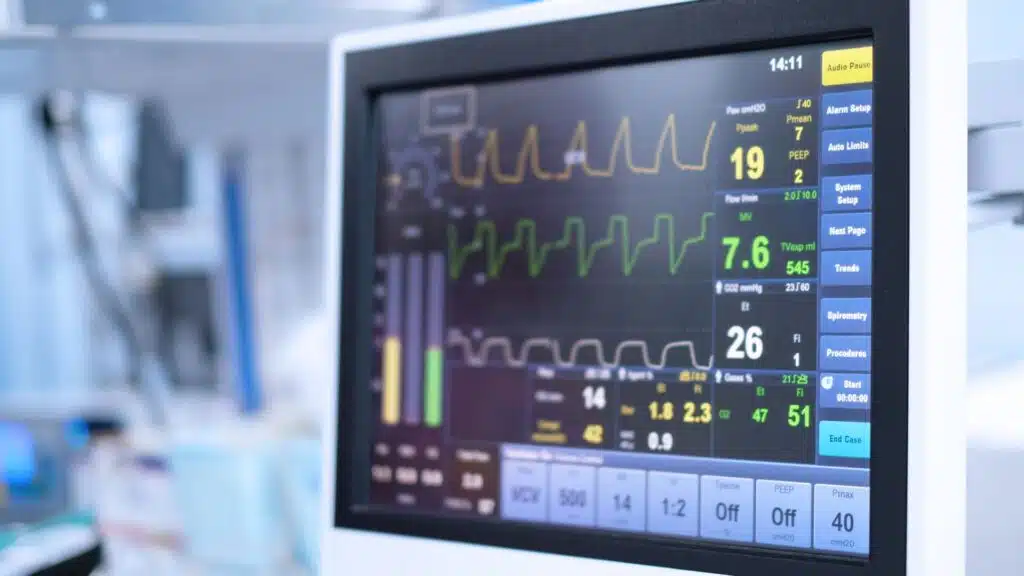

Tracheostomy & Ventilator Management
A tracheostomy and a ventilator can feel like foreign objects at first: tubes, machines, and sounds that take over a...


Legally Reviewed By
Attorney Rich Newsome
Catastrophic Injury & Medical Malpractice Attorney
25+ years experience

Caring for a loved one with complex medical needs is one of the most demanding roles a person can take on. It is also one of the most meaningful. Whether you’re new to this journey or have been navigating it for years, it’s normal to feel overwhelmed by the sheer amount of information, equipment, and daily tasks involved. This guide is meant to walk alongside you: to explain the “why” behind common aspects of locked-in syndrome care, offer practical guidance, and remind you that your own wellbeing matters just as much as your loved one’s.
You don’t have to become a medical expert overnight. You just have to take things one step and one day at a time, and know that reaching out for backup when something is beyond you isn’t a failure. It’s part of doing this well.
If your loved one cannot breathe fully on their own, they may rely on equipment such as a ventilator, BiPAP, CPAP, or supplemental oxygen. It’s completely understandable if these machines feel intimidating, especially if you’re the only person responsible for them. Over time, most caregivers find that the routines become second nature, but it takes deliberate practice to get there when there’s no one standing beside you the first few times.
What to know and do:
If you don’t currently have a home health nurse, ask your loved one’s doctor’s office whether one can be arranged, even for periodic check-ins; your insurance plan may cover intermittent visits even without full-time home care.
A PEG (percutaneous endoscopic gastrostomy) tube is a feeding tube placed directly into the stomach, used when someone can’t safely eat or get enough nutrition by mouth. Managing it alone means you’re the one watching for problems every single day, so it helps to build a simple routine you can do on autopilot.
Key aspects of PEG tube care:
Keep the number for your loved one’s gastroenterologist or the clinic that placed the tube somewhere visible, such as on the fridge or saved as a favorite contact, so you’re not searching for it during a stressful moment. Many tube-feeding companies also have 24/7 support lines for troubleshooting clogs or equipment issues, which can be a real lifeline when you’re managing this without backup.
Bedsores, or pressure ulcers, develop when constant pressure cuts off blood flow to the skin, often over bony areas like the tailbone, heels, hips, or elbows. They can develop within just a few hours of unrelieved pressure, so consistency in prevention matters enormously, especially when you’re the only one keeping watch.
Ways to help protect your loved one’s skin:
If you do notice a sore developing, call your loved one’s doctor promptly rather than trying to manage it alone; untreated pressure sores can worsen quickly, and this is a moment where outside medical input can genuinely change the outcome.
Urinary tract infections (UTIs) are common in people with limited mobility, catheters, or incomplete bladder emptying. Symptoms can be subtle, especially in a loved one who has trouble communicating, which means you may be the only person positioned to notice something’s off.
You can help reduce the risk of UTIs through:
If you notice these warning signs, call the doctor’s office rather than waiting to see if it resolves; UTIs can escalate quickly, and you don’t need anyone else’s permission to make that call.
Physical therapy (PT) and occupational therapy (OT) support your loved one’s strength, mobility, and independence. However, if you don’t have a therapist coming to the home, you can still do a great deal on your own with the right guidance upfront.
What to know and do:
If something changes, if there is new pain, new stiffness, a fall, or a decline in mobility, that’s a good moment to call the doctor and ask whether another PT/OT evaluation is warranted, even if it’s been a while since the last one.
If a delayed diagnosis led to permanent harm, you may be entitled to compensation. Speak with our legal team today.
Start My Free Case Review
If no one has said this to you recently: thank you. Doing this alone takes a particular kind of strength. What you’re doing matters more than you may realize, even on the days it doesn’t feel like it.
It can be easy, when you’re the only one carrying this, to let your own needs quietly slide to the bottom of the list—or off the list entirely. But caring for your own mental health isn’t a luxury here, and it isn’t something to get to “once things calm down.” It’s part of the job. You cannot pour from an empty cup. Your ability to show up for your loved one tomorrow and the days after that depends on you tending to your own needs today, even in small ways.
Since you may not have others physically in the home to lean on, that support may need to come from elsewhere:
Burnout is not a sign that you’re failing; it’s a sign that you’ve been carrying a great deal, largely by yourself, for a long time. Give yourself the same compassion you give so freely to the person you’re caring for.
Need a moment to reset? One of our clients, Cecelia Williams, created a 7-Day Reset for Caregivers that you can review whenever you feel the need.
You can also get a copy of our book, Locked-In Syndrome: A Guide for Families and Caregivers, to reference if you need some support or an answer to a burning question.
And if you have questions about how your loved one’s locked-in syndrome occurred, a locked-in syndrome lawyer from Newsome Law can help you get answers.
A tracheostomy and a ventilator can feel like foreign objects at first: tubes, machines, and sounds that take over a...

Locked-in syndrome (LIS) changes everything overnight, including a family's finances. Once income stops, Social Security disability benefits can become a...

Learning your child has locked-in syndrome can feel like standing in a room with no map. It's a rare diagnosis,...

While there are occasional cases that make the news of someone recovering from locked-in syndrome or a similar diagnosis, this...

The area of the brain that can cause locked-in syndrome (the pons) following a stroke is the same area of...

Because it causes near-global paralysis, takes away the ability to speak, and prevents a person from providing self-care, locked-in syndrome...

Locked-in syndrome occurs when an injury to the brainstem prevents the brain from communicating with the spinal cord and the...
Some people diagnosed with locked-in syndrome continue to feel pain and retain sensation throughout their body or in limited areas...