

Patient Bill of Rights in Long-Term Care
Locked-in syndrome takes away movement and speech, but not awareness. Your loved one hears the conversations around them, understands what...


Legally Reviewed By
Attorney Rich Newsome
Catastrophic Injury & Medical Malpractice Attorney
25+ years experience

Living with locked-in syndrome means someone can’t shift themselves, roll over, or signal when something feels wrong. That makes skin care a constant, daily job for caregivers, not an occasional task. Pressure ulcers can form quickly and heal slowly, so prevention comes first. This guide covers repositioning, mattresses, wound basics, and warning signs to watch for in any care setting.
A pressure ulcer, also called a bedsore, forms when skin and the tissue underneath stay squeezed between a bone and a surface, such as a mattress or wheelchair seat, for too long. That squeezing cuts off blood flow, and without blood flow, skin starts to break down. Bodily fluids can also break down skin, resulting in bedsores.
They tend to show up over bony areas: the heels, hips, tailbone, and back of the head are the most common spots.
People with locked-in syndrome face a much higher risk than most. Since the body can’t move on its own, weight stays on the same few points for hours unless someone else shifts it. There’s also no way to feel or signal that a spot has gone numb or sore, so early warning signs can pass unnoticed.
These wounds range from mild skin redness to deep, open injuries that reach muscle or bone. They can lead to dangerous infections and, in some cases, become life-threatening. This is exactly why prevention has to come first, and why daily attention to skin matters so much.
Repositioning matters because pressure, left in one place too long, is really the whole problem behind bedsores. When blood flow to an area gets cut off long enough, the tissue starts to break down. For someone with locked-in syndrome, nothing shifts that weight except a caregiver stepping in. Without regular repositioning, a small patch of red skin can turn into a deep wound in a matter of hours, not days. Getting this right is one of the most protective things a caregiver can do.
However, the information out there about how often to shift someone who is bedbound is confusing. One doctor may tell you to shift your loved one every two hours while another may suggest every four hours. A major review of the evidence published by Cochrane found no proof that any single schedule works better than another at preventing bedsores.
Comparisons between two-hour, three-hour, and four-hour turning intervals all came back unclear. That means the right schedule isn’t a fixed rule; it depends on the person. These factors should guide the plan:
This is a conversation to have directly with the care team, not a number to look up.
Some approaches show early promise. Small, frequent shifts in position — even tiny movements, rather than a full turn — may help reduce pressure buildup between larger repositioning sessions. Devices that track a person’s position and remind caregivers when it’s time to turn them have also shown some benefit in helping staff stay consistent.
Keep the head of the bed as low as possible, within whatever limits the person’s medical condition allows. A higher incline increases sliding and friction against the sheets, adding risk on top of pressure alone.
The bottom line: treat repositioning as an ongoing, adjustable plan built with input from nurses or therapists, not a fixed schedule borrowed from somewhere else.
Repositioning and skin checks go hand in hand; one relieves pressure and prevents issues, while the other catches problems early. Every time a caregiver repositions someone, it’s a natural moment to look closely at the skin, especially over the heels, hips, tailbone, and back of the head.
What to look for:
If any of these show up, it’s time to alert the medical team rather than wait and see. Catching a change on day one, instead of day three, can be the difference between a spot that heals on its own and a wound that needs weeks of care.
If a delayed diagnosis led to permanent harm, you may be entitled to compensation. Speak with our legal team today.
Start My Free Case Review
Once a pressure ulcer develops, care shifts from prevention to healing. This isn’t something a caregiver should manage alone—it calls for guidance from nurses or wound care specialists—but knowing what to expect helps families ask the right questions and spot problems early.
Wound care is a team effort. The caregiver’s job is to watch closely and communicate quickly; the technical work belongs to trained professionals.
Choosing or monitoring a care facility means knowing what warning signs to watch for. Some issues seem unrelated to skin care at first, but they often point to the same root problem: not enough attention to each resident.
Families can also request a facility’s most recent state inspection report to check for a documented history of concerns.
Preventing and treating pressure sores can seem daunting, but with practice, it will become just another routine part of caregiving.
Locked-in syndrome takes away movement and speech, but not awareness. Your loved one hears the conversations around them, understands what...
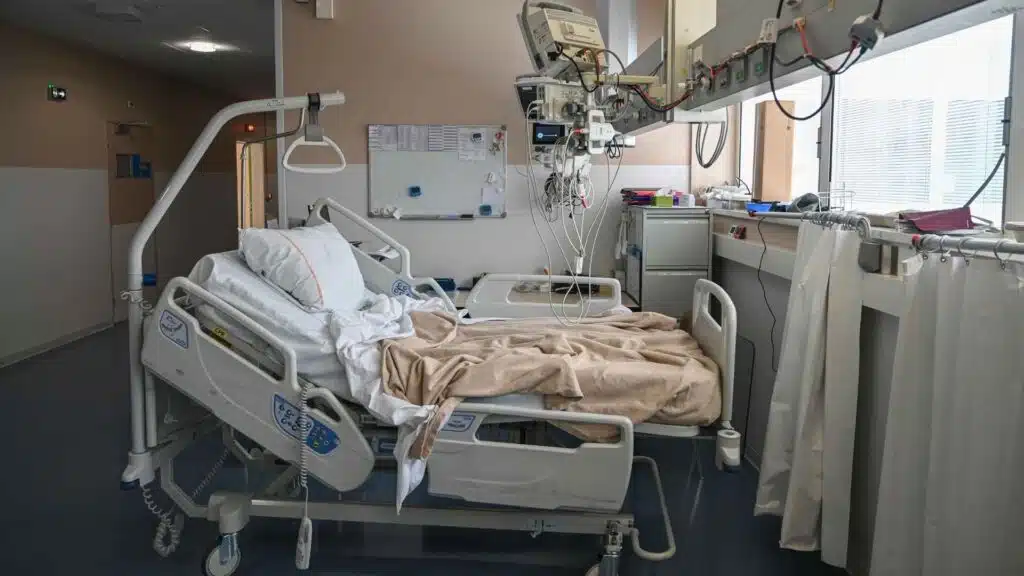
When someone you love develops locked-in syndrome, one question tends to arrive before any other: could this have been prevented?...

When a loved one has locked-in syndrome, they usually remain fully aware, even when they cannot speak or move. That...

Locked-in syndrome takes away movement and speech, but not awareness. Your loved one is fully present, with no way to...
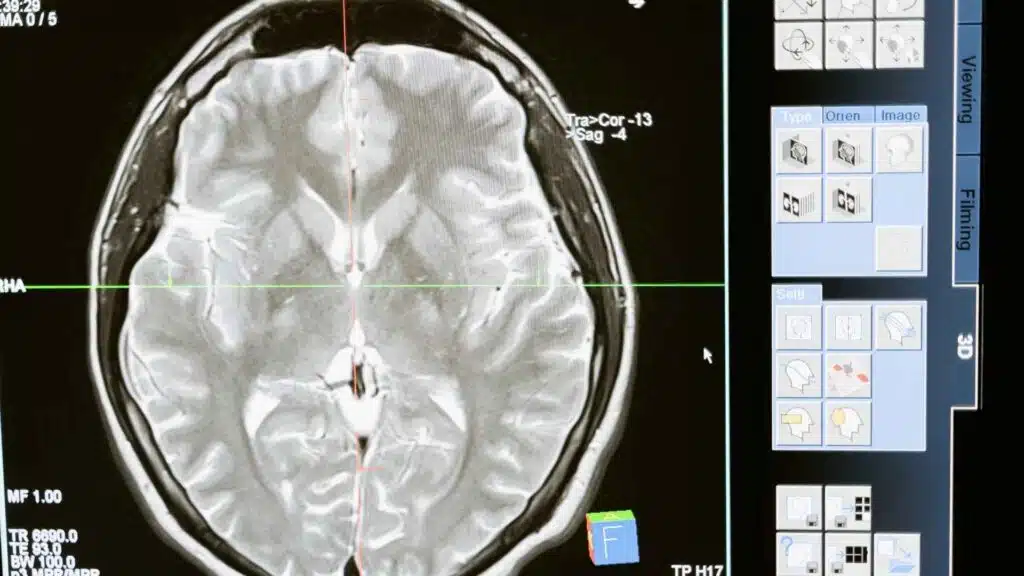
Locked-in syndrome can make communication feel impossible. The body stays still, but the mind stays fully aware, often with...
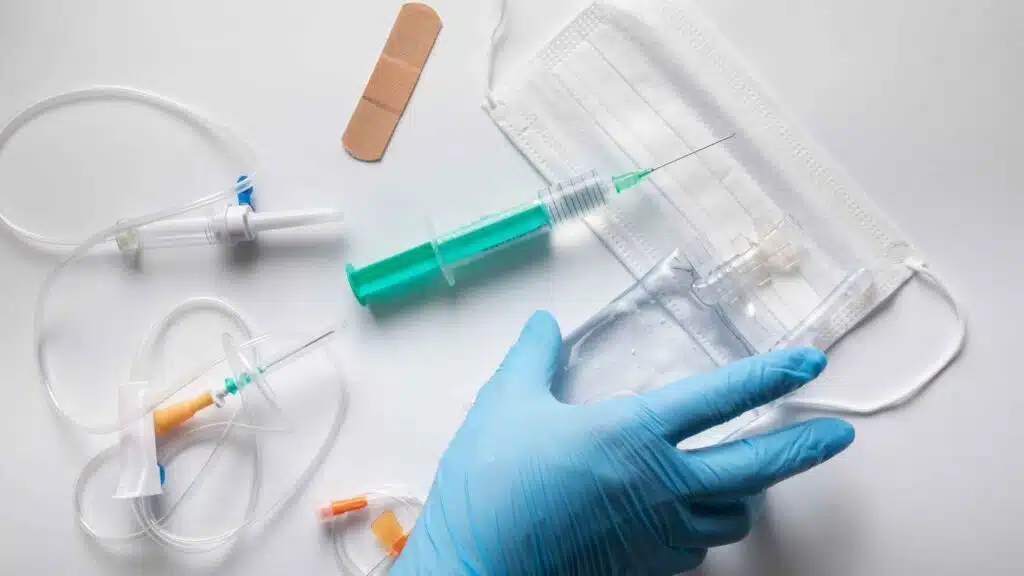
Feeding tubes can feel scary at first. But once you understand the basics, daily care becomes much more manageable. This...

A tracheostomy and a ventilator can feel like foreign objects at first: tubes, machines, and sounds that take over a...

Locked-in syndrome (LIS) changes everything overnight, including a family's finances. Once income stops, Social Security disability benefits can become a...