

Patient Bill of Rights in Long-Term Care
Locked-in syndrome takes away movement and speech, but not awareness. Your loved one hears the conversations around them, understands what...


Legally Reviewed By
Attorney Rich Newsome
Catastrophic Injury & Medical Malpractice Attorney
25+ years experience

When someone you love develops locked-in syndrome, one question tends to arrive before any other: could this have been prevented? Stroke, most often in the brainstem, is the most common cause. Sometimes no care could have changed the outcome. Sometimes signs were missed. Regardless of how it occurred, you and your family deserve an honest account. The flowcharts below can help you see which path their care followed.
An unavoidable outcome is one where the stroke itself, through its severity, its location, or its timing, placed recovery beyond reach, even when the care team recognized it and responded appropriately. This is not a claim that care was flawless. It is a recognition that medicine has limits, and that some strokes move faster or strike deeper than any treatment can follow.
Understanding those limits can be painful. It can also bring relief to families who have spent weeks or months wondering what they, or anyone else, could have done differently.
A blockage in the basilar artery, the main vessel supplying the brainstem, can cause severe damage very quickly. Some patients lose the ability to move or speak before they reach a hospital, and sometimes before anyone around them realizes a stroke is underway. In these cases, the injury may be largely complete by the time care begins.
Stroke treatments depend on knowing when symptoms began. When a stroke happens during sleep or while a person is alone, that starting point may be impossible to establish. If imaging shows damage that is already well developed, the options for reversing it narrow considerably. This is not a failure on the part of the family. It is one of the hardest realities of stroke care.
Clot-dissolving medication can restore blood flow, but it also carries a serious risk of bleeding. Certain conditions, such as recent surgery, a bleeding disorder, prior bleeding in the brain, or the use of some blood thinners, can make it unsafe. When these reasons are documented, withholding the medication is a protective decision, not a missed one.
Thrombectomy, the procedure that removes a clot with a catheter, depends on where the blockage sits. Some lie in vessels too small or too deep within the brainstem for any device to reach safely. In those cases, the most advanced stroke centers face the same limits as any other.
Even prompt, well-delivered treatment does not always restore blood flow. In other cases, flow returns but the brain tissue has already been injured. These outcomes reflect the severity of the stroke, not the effort or speed of the people who treated it.
Many families replay the hours before diagnosis again and again. If your loved one’s care followed one of these paths, the outcome was shaped by the stroke, not by your hesitation or your choices. Your loved one remains aware and present, and the burden of what happened does not belong on your shoulders.
If a delayed diagnosis led to permanent harm, you may be entitled to compensation. Speak with our legal team today.
Start My Free Case Review
Not every stroke follows a course that medicine cannot change. In some cases, the signs were present, the tools were available, and the opportunity to intervene passed without action. When families look back on these cases, the gaps usually fall into one of three places: recognizing the stroke, imaging it, or treating it.
Brainstem strokes rarely announce themselves the way people expect. Instead of a drooping face or a weak arm, a patient may arrive with sudden dizziness, double vision, slurred speech, nausea, or trouble keeping their balance. These symptoms overlap with far more common conditions, and they are sometimes attributed to vertigo, migraine, anxiety, or intoxication.
Emergency clinicians see many patients with dizziness, and most of them are not having a stroke. That reality explains why brainstem strokes can be missed. It does not change what follows when one is. A patient sent home with an inner ear diagnosis may lose the window in which treatment could have helped.
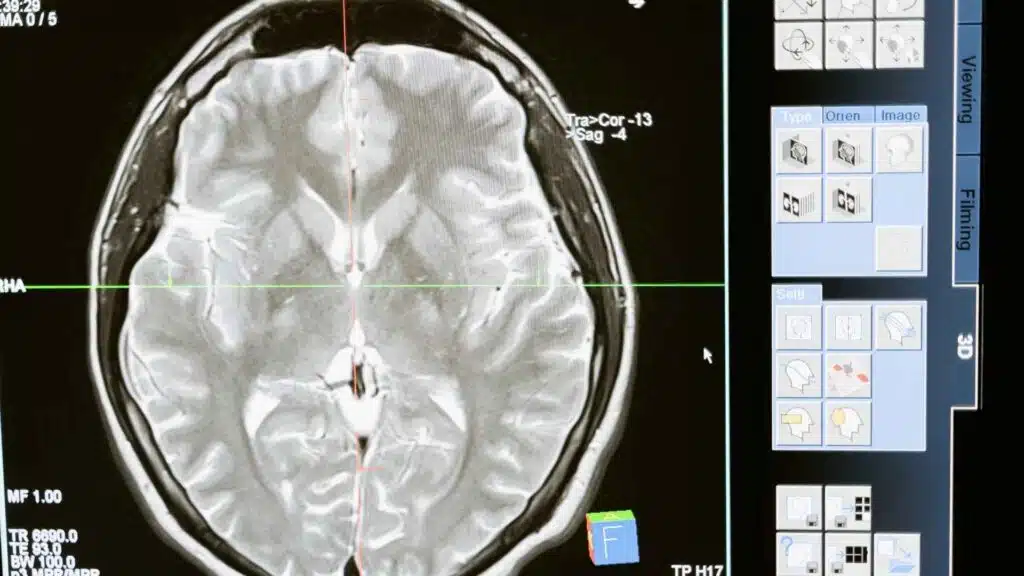
A CT scan is often the first test performed, and it is valuable for ruling out bleeding. It is far less reliable for detecting early strokes in the brainstem. When symptoms point toward the back of the brain, vessel imaging or an MRI can reveal what a CT may not.
Problems can arise when a normal CT is treated as reassurance rather than as one piece of the picture. They can also arise when a scan is performed but misread, or when results sit unreviewed while the patient’s condition changes.
Once a stroke is identified, every step must move quickly. Treatment delays can occur while waiting for a neurology consultation, while moving the patient to imaging, or while arranging a transfer to a facility that performs thrombectomy. Sometimes the cause is an individual decision. Sometimes it is a system stretched too thin, with too few staff or breakdowns in communication between departments. Either way, lost minutes cannot be recovered.
If any of these patterns sound familiar, it does not mean an error occurred. It means a question deserves an answer. The flowcharts ahead can help you organize those questions and decide where to bring them.
Asking questions is not confrontation. It is how families build an accurate picture of what happened. Clear, respectful questions often bring the most useful answers:
If an answer feels incomplete, you can ask again or request a meeting with the attending physician. Writing down each answer, along with the date and who provided it, creates a record you can return to later.
A poor outcome alone does not establish medical negligence. To succeed, a claim generally must show four things:
Causation is often the most difficult element. Because some strokes cause severe damage regardless of care, we have independent physician experts review the records, the imaging, and the timeline to determine whether the outcome could reasonably have been different. Their opinions, grounded in medical evidence, form the foundation of any case.
A locked-in syndrome lawyer is here to help whenever you are ready. Call Newsome Law when you are ready for answers.
Locked-in syndrome takes away movement and speech, but not awareness. Your loved one hears the conversations around them, understands what...

When a loved one has locked-in syndrome, they usually remain fully aware, even when they cannot speak or move. That...

Locked-in syndrome takes away movement and speech, but not awareness. Your loved one is fully present, with no way to...
Locked-in syndrome can make communication feel impossible. The body stays still, but the mind stays fully aware, often with...

Living with locked-in syndrome means someone can't shift themselves, roll over, or signal when something feels wrong. That makes skin...
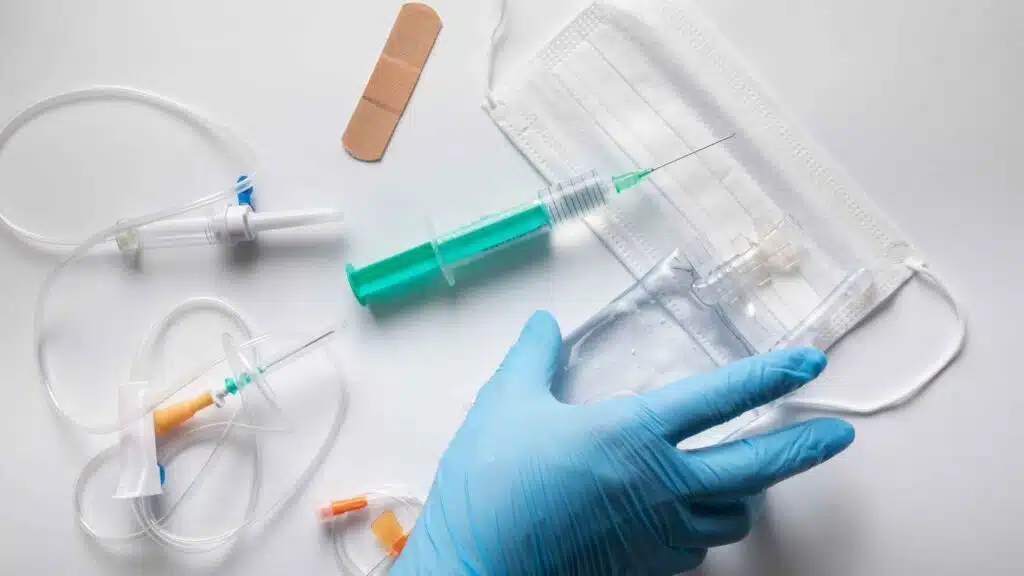
Feeding tubes can feel scary at first. But once you understand the basics, daily care becomes much more manageable. This...
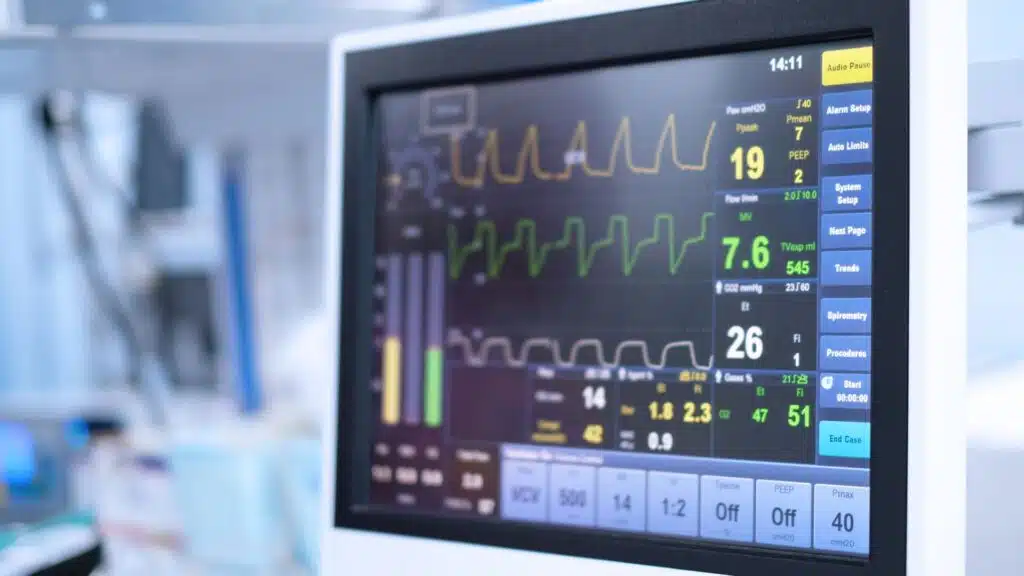
A tracheostomy and a ventilator can feel like foreign objects at first: tubes, machines, and sounds that take over a...

Locked-in syndrome (LIS) changes everything overnight, including a family's finances. Once income stops, Social Security disability benefits can become a...