

Patient Bill of Rights in Long-Term Care
Locked-in syndrome takes away movement and speech, but not awareness. Your loved one hears the conversations around them, understands what...


Legally Reviewed By
Attorney Rich Newsome
Catastrophic Injury & Medical Malpractice Attorney
25+ years experience

When a loved one has locked-in syndrome, they usually remain fully aware, even when they cannot speak or move. That awareness shapes every legal decision ahead. Many patients can still grant a power of attorney through a reliable communication method. When that isn’t possible, guardianship offers a path. The right legal authority protects their voice, their care, and their rights.
When a loved one can no longer speak or sign their name, families often discover that love and family ties are not enough to act on their behalf. Banks, insurers, and care teams need to know who holds legal authority. Three tools are most common: a financial power of attorney, a healthcare power of attorney, and guardianship. Each covers a different part of life, and understanding how they differ helps families choose the path that best honors their loved one’s voice.
A power of attorney is a document in which a person names someone they trust, called an agent, to act on their behalf. Most families encounter two kinds.
Guardianship is different. It is a court process in which a judge appoints someone to make decisions for a person who cannot make or communicate them and/or has no valid documents in place. Because it involves hearings, ongoing court oversight, and public records, guardianship is generally considered a last resort. Many courts can limit a guardian’s authority to specific areas, leaving the patient with every right they are still able to exercise.
The names and requirements for these tools vary from state to state. Before taking any steps, look for documents your loved one may have signed before their stroke. An existing proxy or advance directive can spare the family a great deal of uncertainty.
Locked-in syndrome is most commonly caused by a brainstem stroke. The stroke interrupts the signals between brain and body, leaving a person unable to move or speak. In most cases, it leaves their thoughts, memories, and awareness intact. Many people with locked-in syndrome communicate through blinking or eye movement and retain awareness and the capacity to make decisions.
This shapes how families should approach legal authority. As stated in a paper in Neuroethics, the barrier to medical decision-making is severe difficulty communicating, not a loss of cognitive ability. So the first question is not who should take over for your loved one. It is whether your loved one can make this decision themselves.
The answer often depends on how well they can communicate. A yes-or-no signal has been considered enough to confirm consent for simple medical choices, but not for major ones, such as naming someone to manage their finances or health care. The following can give your loved one a fuller voice:
A speech-language pathologist can help find the method that works best.
A physician can also assess whether your loved one understands the decision in front of them. Capacity is often considered one decision at a time. A person who needs help with daily tasks could still be fully able to choose who they trust to act for them.
Throughout this process, speak to your loved one directly, not around them. Ask who they want to serve and what they want that person to do. Their answers belong at the center of every document and every decision that follows.
If a delayed diagnosis led to permanent harm, you may be entitled to compensation. Speak with our legal team today.
Start My Free Case Review
Sometimes families begin to wonder whether a stroke could have been recognized or treated sooner. If those questions arise, it helps to know that any legal claim must be brought by someone with the authority to do so. The form of authority in place shapes who can act and how the case moves forward.
Whatever form of authority applies, your loved one’s voice should continue to guide the process wherever possible.
Legal rights can be affected by timing, so if you have questions about your loved one’s care, an early conversation with an attorney from our firm can help you understand your options.
The early weeks after a stroke or locked-in syndrome diagnosis can feel overwhelming, and legal questions often arrive at the same time as medical ones. A few calm, practical steps can bring clarity, prevent conflict, and keep your loved one’s wishes at the center of every decision.
The Newsome Law team is here for you whenever you are ready to speak.
Locked-in syndrome takes away movement and speech, but not awareness. Your loved one hears the conversations around them, understands what...

When someone you love develops locked-in syndrome, one question tends to arrive before any other: could this have been prevented?...

Locked-in syndrome takes away movement and speech, but not awareness. Your loved one is fully present, with no way to...
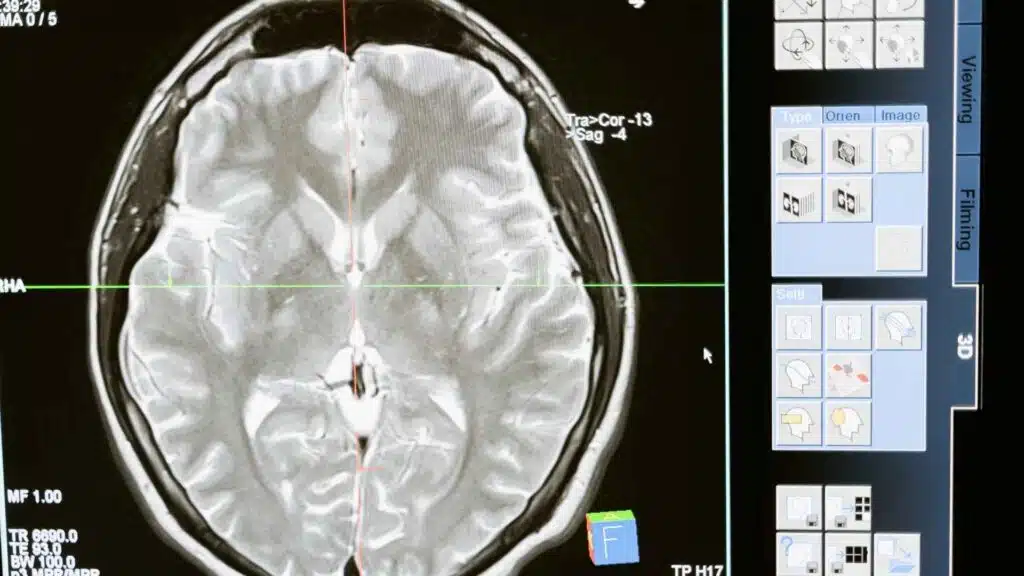
Locked-in syndrome can make communication feel impossible. The body stays still, but the mind stays fully aware, often with...

Living with locked-in syndrome means someone can't shift themselves, roll over, or signal when something feels wrong. That makes skin...

Feeding tubes can feel scary at first. But once you understand the basics, daily care becomes much more manageable. This...

A tracheostomy and a ventilator can feel like foreign objects at first: tubes, machines, and sounds that take over a...

Locked-in syndrome (LIS) changes everything overnight, including a family's finances. Once income stops, Social Security disability benefits can become a...