
What to Expect When Gathering Hospital Records
When someone you love is living with locked-in syndrome, every day brings new decisions and new tasks. Somewhere among them,...


Legally Reviewed By
Attorney Rich Newsome
Catastrophic Injury & Medical Malpractice Attorney
25+ years experience

Families often ask us how locked-in syndrome could develop after a surgery that seemed to go well. Complications can happen in the hours or days after surgery, while patients recover in intensive care. ICU nurses and physicians are expected to recognize warning signs quickly. Sometimes they are missed.
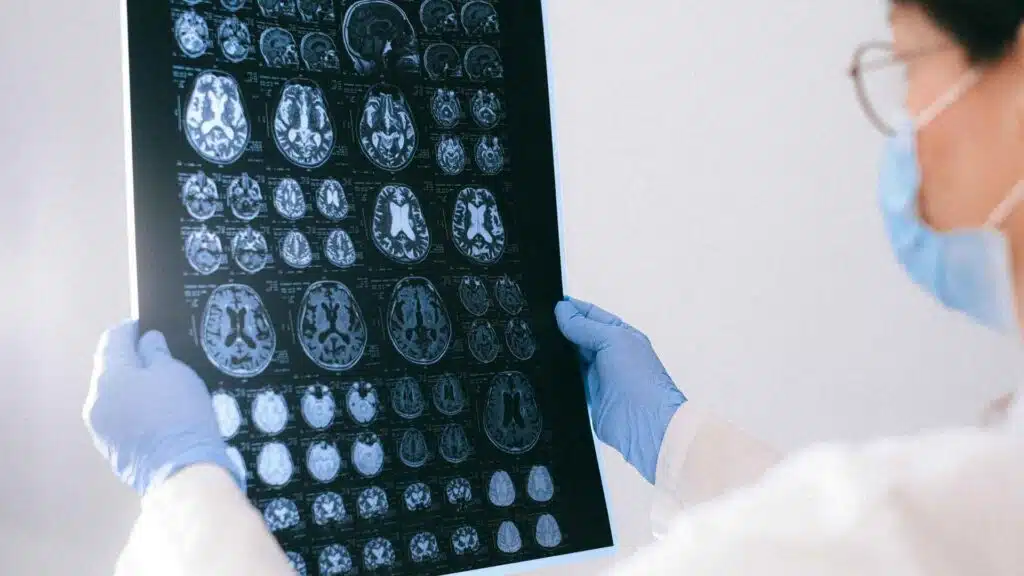
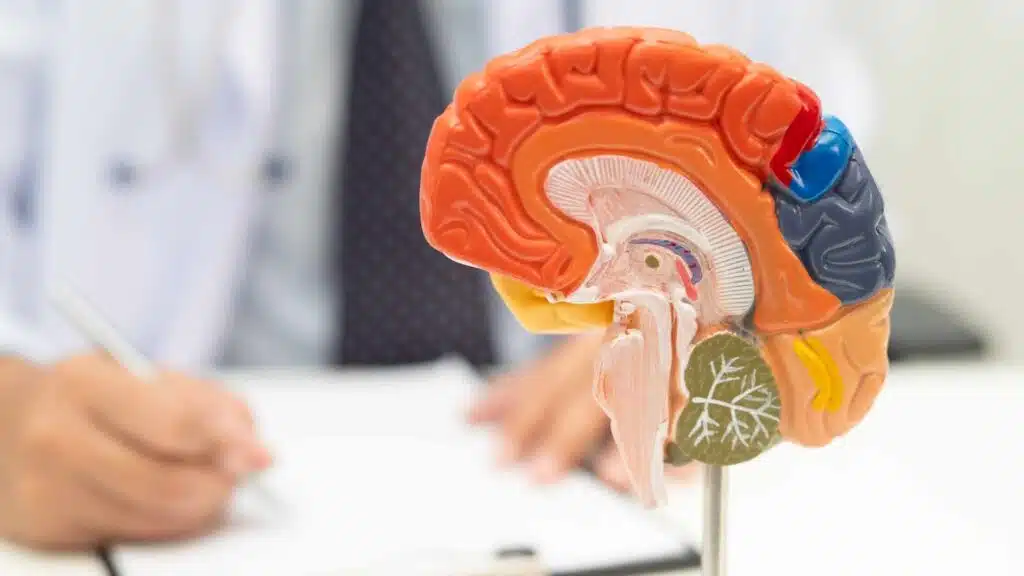
Strokes are the most common cause of locked-in syndrome. Most often, the stroke affects the brainstem, the small structure at the base of the brain that controls movement, breathing, and swallowing.
Major surgery, particularly heart surgery, raises the risk of stroke. These strokes are uncommon, affecting between one and nine percent of cardiac surgery patients (per the American Heart Association), but they do not always happen in the operating room. For families, this can be the hardest part to understand. A loved one may seem to be recovering well before something changes.
The ICU setting can make that change difficult to see. Sedation, pain medication, and a breathing tube can hide symptoms or make them look like ordinary post-operative grogginess. Brainstem strokes add another layer. Instead of the familiar facial drooping or arm weakness, the signs may be subtle: changes in eye movement or pupils, trouble swallowing, or a patient who becomes harder to rouse.
These signs are easy to miss. That is why careful, consistent monitoring is so important.
After major surgery, ICU nurses perform regular neurological checks. They assess how alert the patient is, whether the pupils respond to light, and whether the patient can move both sides of the body. Each result is compared with the patient’s own baseline, so even small changes stand out.
When sedation is involved, the care team may pause it briefly to get a clearer picture. If something changes, nurses are expected to alert a physician promptly. Physicians are expected to evaluate the patient, order imaging, and call the stroke team when needed.
The exact standard of care for any patient is determined by independent medical experts.
When families look back on the hours after surgery, many find moments when warning signs were present but not acted on. These breakdowns tend to follow recognizable patterns.
Nurses spend the most time at the bedside, which makes their neurological checks the first line of detection. Problems arise when checks are delayed or skipped, or when findings are documented without a fresh assessment. A change may also be explained away, with a patient who is hard to rouse described as sedated, confused, or slow to wake. Even when a nurse notices a concern, it may not reach a physician quickly enough.
Once a concern is raised, physicians are expected to evaluate the patient and decide what comes next. Delays can occur when a bedside evaluation is postponed, when imaging is not ordered, or when the stroke team or a neurologist is not consulted. A standard CT scan can miss a small brainstem stroke, so a normal early scan does not always settle the question when symptoms persist.
After surgery, a patient moves from the operating room to recovery to the ICU, and care passes through many hands. Each shift change or transfer is a point where details can be lost. A subtle change noted on one shift may not reach the next, and overnight coverage may be thinner.
Some failures reflect the environment more than any one person. Heavy patient loads, frequent monitor alarms, and the absence of a clear in-hospital stroke protocol all make early recognition harder. The gap shows in the data.
In one large registry study published in JAMA Neurology, patients who had a stroke while hospitalized waited a median of 4.5 hours from symptom recognition to brain imaging, compared with 1.2 hours for patients whose stroke began outside the hospital. Strokes in hospitalized patients have also been associated with less guideline-based treatment.
Not every delay is negligence. ICU care is complex, and clinicians make judgment calls under pressure. But some delays are preventable, and families deserve to know when that may have been the case.
If a delayed diagnosis led to permanent harm, you may be entitled to compensation. Speak with our legal team today.
Start My Free Case Review
In stroke care, time is brain. With every minute that blood flow is not restored, more brain tissue is lost, and the treatments that can reverse a stroke work only within limited windows.
After major surgery, bleeding risk can rule out clot-busting medication. That makes another treatment especially important: thrombectomy, a procedure that removes the clot directly. In some patients, it can help up to 24 hours after symptoms begin.
Even with perfect recognition, not every stroke can be reversed. Some clots cannot be reached, and some patients are too ill for treatment. A careful review is how families learn whether a window was open, and whether it closed because of a delay.
In the days after a sudden decline, families often sense that something went wrong but cannot say what. This is especially true in cases of locked-in syndrome, where the patient may be unable to communicate how they felt before the stroke occurred.
Calm, specific questions can help. Asking them is reasonable, and the answers become a starting point for understanding what happened.
You might ask:
It can help to write down each answer, along with the name and role of the person you spoke with, the date, and the time. Your own notes on what you saw at the bedside are valuable too.
The medical record holds the fuller picture. Patients, and in many cases their legal representatives, can request copies of records such as:
Requesting records is a routine right. Many families do it simply to understand the care their loved one received. A complete record also means that if questions remain, independent experts can review exactly what happened rather than relying on memory.
At Newsome Law, we begin by building a clear timeline from the medical record and our conversation with you and your family:
We then share that timeline with independent medical experts, such as critical care physicians, neurologists, and ICU nurses, who have no connection to the hospital involved. They review whether monitoring and response met accepted standards, and whether earlier action could have changed the outcome. Sometimes the answer is that the team acted appropriately. Sometimes experts find missed opportunities. Either way, your family receives an honest assessment.
Your loved one may be fully aware, hearing every word spoken around them. Seeking to understand what happened in the ICU is one way to advocate for someone who cannot speak for themselves. When you are ready, a locked-in syndrome lawyer from Newsome Law is here to listen, review the care your family member received, and help you decide what comes next, at whatever pace feels right to you.
When someone you love is living with locked-in syndrome, every day brings new decisions and new tasks. Somewhere among them,...

Few decisions feel heavier than choosing how you will receive your settlement after a loved one’s locked-in syndrome diagnosis. Why...

This directory lists state programs that help families care for a loved one with a severe disability at home, including...

Locked-in syndrome requires expensive, long-term care, and insurance denials are common. These denials are frustrating and scary, but you have...

When locked-in syndrome follows a brainstem stroke, families are often told a nursing facility is the next step. It may...

When a stroke, the most common cause of locked-in syndrome, reshapes a family’s life, one relative often becomes the full-time...

A basilar artery occlusion (BAO), a severe type of stroke, is often treatable. When emergency care stalls at triage, in...

What is Second Impact Syndrome? Loss of consciousness after the initial injury followed by secondary brain damage creates ionic fluxes,...