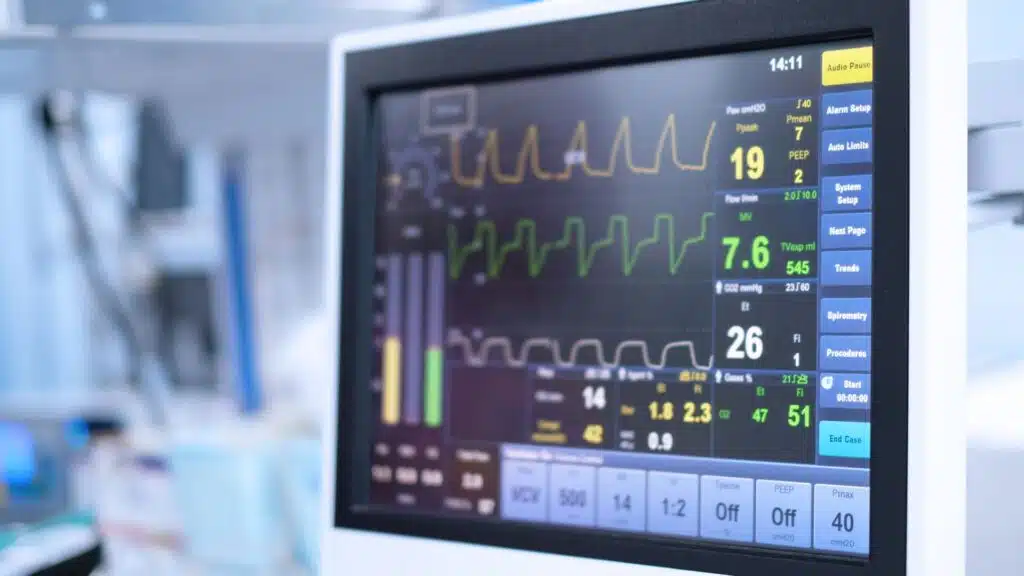

Tracheostomy & Ventilator Management
A tracheostomy and a ventilator can feel like foreign objects at first: tubes, machines, and sounds that take over a...


Legally Reviewed By
Attorney Rich Newsome
Catastrophic Injury & Medical Malpractice Attorney
25+ years experience

A traumatic brain injury, stroke, or hemorrhage that affects the brainstem can lead to locked-in syndrome, while similar injuries to other parts of the brain can instead cause a vegetative state. While each condition has its own symptoms, those in a vegetative state have no awareness of the world around them while patients with locked-in syndrome are aware of their surroundings, cognitively intact, and can typically interact with others using eye movements.
When a person is in a vegetative state, they are going through regular sleep/wake cycles and will open their eyes when awake. However, they are not aware of their surroundings. They may exhibit:
Some people who experienced a vegetative state have an almost full recovery, while others have permanent cognitive and physical impairments.
Locked-in syndrome, on the other hand, leaves the patient with a clear awareness of the world around them. They can interact with doctors and loved ones using blinking codes, eye gaze devices, and brain-computer interfaces. Other symptoms of locked-in syndrome include:
Locked-in syndrome is generally permanent. Some people with incomplete injuries may recover some movement or feeling, but significant recovery is extremely rare.
Locked-in syndrome (LIS) is sometimes described as “pseudocoma,” while a vegetative state is a state with no awareness. Patients with both conditions may or may not breathe on their own, and neither condition leaves people with the ability to make meaningful movements.
Treatment for both conditions is supportive, and there is no cure. Patients with either condition are at an increased risk of secondary illnesses and infections including:
It is not uncommon for doctors to at first believe patients with locked-in syndrome are in a vegetative state. In many cases, it is the family of the patient who first recognizes awareness in their loved one. This is the biggest differentiator between LIS and a vegetative state.
Once the condition is determined to be LIS, doctors can then help the person establish basic communication through blinking and eye gazes. Medical professionals can later recommend eye gaze or brain/computer interface devices for communication.
When a loved one stops responding after a stroke or brain injury, doctors may use words like “coma,” “vegetative state,” and “locked-in syndrome” almost in the same breath. To a frightened family in an ICU, these terms can blur together. But they describe very different experiences of the mind, and knowing the difference can change how a family understands what their loved one is going through and the care they receive.
A coma is the deepest of these states. The person cannot wake up, no matter how loudly you call their name. There is no awareness because the brain’s arousal system has essentially shut down. Comas are often temporary. Over days or weeks, a person may start to surface, opening their eyes on their own or showing brief flickers of response. Where they go from there depends on what happens next in the brain. In some cases, a patient will wake from a coma with locked-in syndrome.
Since a person with locked-in syndrome can’t speak, gesture, or change expressions, they can look just like someone in a coma or vegetative state. Many are mistaken for one of these at first. The only way to catch the difference is to test for it directly, including asking the person to look up or down, or blink once for yes, twice for no, and watch closely and repeatedly for a response. Once this initial testing is done, a doctor can do further testing to be sure.
For families, this distinction shapes everything that follows, including how a person is spoken to and their involvement in their own care.
Those with a locked-in syndrome diagnosis can live a high quality of life with the right support and technology that allows them to interact with friends and family. Your loved one’s doctor can recommend devices and tools to make caring for them easier, including a hospital bed, a lift, a specialized power wheelchair, and communication devices.
Your loved one may require regular in-home visits from a nurse, or you may be able to provide the necessary care on your own. Those with locked-in syndrome need support for all activities of daily living, mobility, tube feeding, and self-care. However, they can live an active and stimulating intellectual life.
In any case, providing the care someone with locked-in syndrome needs is expensive.
If a delayed diagnosis led to permanent harm, you may be entitled to compensation. Speak with our legal team today.
Start My Free Case Review
If your loved one has a diagnosis of locked-in syndrome or a vegetative state, you may be able to pursue compensation to cover their medical care, ongoing care costs, and more. If you believe your family member’s traumatic brain injury occurred because of an accident or medical malpractice, the team from Newsome Law is standing by to review your case for free.
Our locked-in syndrome lawyer will work with an independent medical expert to determine whether the care your loved one received met the standard of care. If so, we will tell you. If not, we will tell you that, too. You can decide what to do with the information you receive, whether that is seeking closure or taking legal action.
We can build a case to support the pursuit of compensation through an insurance claim or personal injury lawsuit. Your family member could be eligible for damages that include:
If you believe your loved one may be aware and not in a vegetative state, it is imperative that you tell their doctors about your concerns. Once that is determined, their care is likely your next consideration. Our team can help you understand your options and fight for the compensation you will need to ensure their needs are met.
Call the Newsome Law team to get started with a free consultation whenever you are ready. Our team takes cases with no upfront fees, so you can get the help you deserve without worrying about how you’ll afford it.
A tracheostomy and a ventilator can feel like foreign objects at first: tubes, machines, and sounds that take over a...

Locked-in syndrome (LIS) changes everything overnight, including a family's finances. Once income stops, Social Security disability benefits can become a...

Learning your child has locked-in syndrome can feel like standing in a room with no map. It's a rare diagnosis,...

While there are occasional cases that make the news of someone recovering from locked-in syndrome or a similar diagnosis, this...

The area of the brain that can cause locked-in syndrome (the pons) following a stroke is the same area of...

Because it causes near-global paralysis, takes away the ability to speak, and prevents a person from providing self-care, locked-in syndrome...

Locked-in syndrome occurs when an injury to the brainstem prevents the brain from communicating with the spinal cord and the...
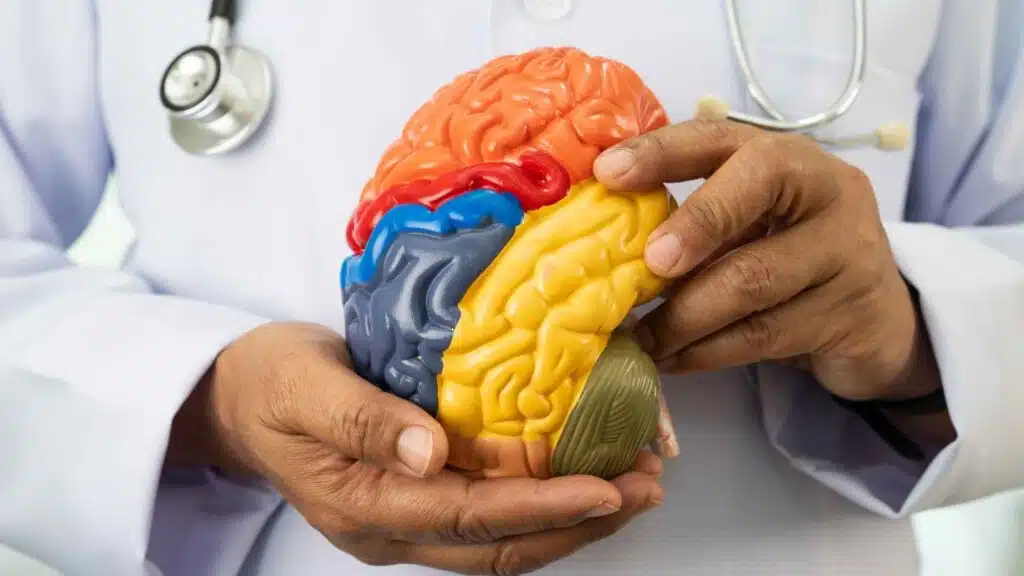
Some people diagnosed with locked-in syndrome continue to feel pain and retain sensation throughout their body or in limited areas...