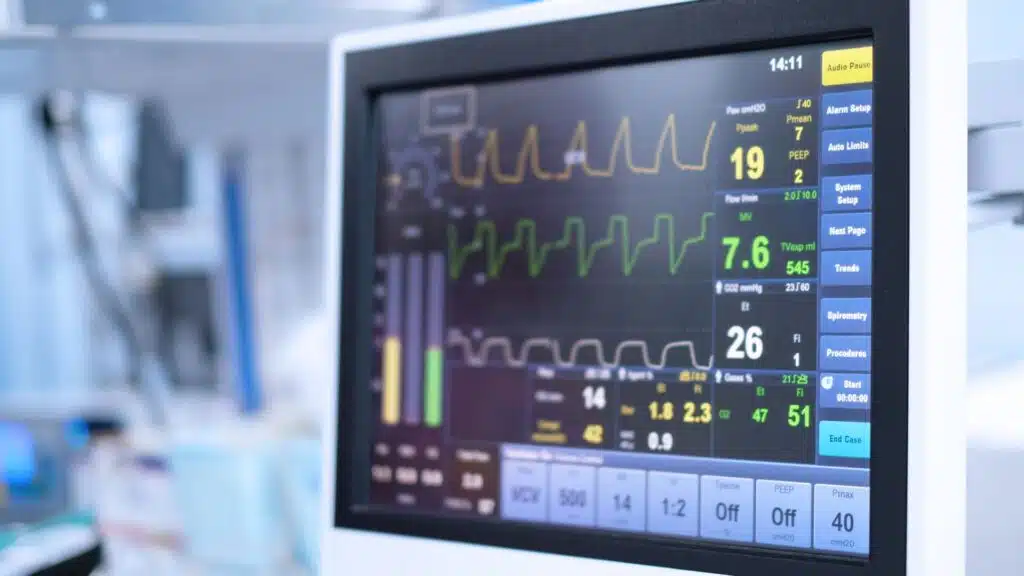

Tracheostomy & Ventilator Management
A tracheostomy and a ventilator can feel like foreign objects at first: tubes, machines, and sounds that take over a...

In most cases, those who receive a locked-in syndrome diagnosis retain full cognitive functioning. Locked-in syndrome occurs because of a stroke or other issues in the brain stem. This is separate from the parts of the brain that control cognitive functions. When there is a change in cognitive function following an acute brain injury and locked in diagnosis, there was likely damage to other parts of the brain that caused it.

Legally Reviewed By
Attorney Rich Newsome
Catastrophic Injury & Medical Malpractice Attorney
25+ years experience

Locked-in syndrome is a condition that may occur following a hemorrhage or blockage in the blood vessels that feed the brain stem and the pons. It is very rare and often misdiagnosed. Patients with locked-in syndrome are awake and aware but suffer from quadriplegia and paralysis. That person cannot move, speak, or communicate without assistance. He or she remains conscious with full cognitive functioning.
There are three types of locked-in syndrome:
Classic locked-in syndrome is characterized by global paralysis except for vertical eye movements and sometimes blinking.
Total locked-in syndrome occurs when patients suffer global paralysis without any exception – the patient cannot move any part of their body voluntarily, including vertical eye movements.
In cases of incomplete locked-in syndrome, all the symptoms of a classic locked-in syndrome are present expect the patient retains voluntary motor function in additional parts of the body.
One 2008 study that evaluated ten patients with locked-in syndrome confirmed most patients retained full cognitive functions. The functions tested included:
Most people retained normal cognitive functions despite their locked in syndrome diagnosis. Researchers felt that those who did not likely suffered additional brain injuries, with lesions on other areas of the brain. It is likely these injuries — and not the injury to the brain stem that caused locked in syndrome — are responsible for any problems with cognitive functions.
Patients with locked-in syndrome report a relatively high quality of life and many of them can live at home with ongoing support from caregivers. Intact cognitive functioning plays a key role in the quality of life, allowing the patient to live a full life without being able to ambulate on their own.
People with locked-in syndrome have written books, served as professors, and even consulted on legal cases. While most never return to work, these people can often find tasks that contribute to the world around them. The Internet and other technological advances make this even easier.
When locked in syndrome was first named in the 1960s, patients could only communicate through blinking their eyes or utilizing vertical eye movements. Their family or caregivers would come up with a code for yes and no and would use an alphabet board to spell words. This is how journalist Jean-Dominique Bauby penned his memoir about living with locked-in syndrome, The Diving Bell and the Butterfly. Without cognitive functioning, spelling words and communicating using code would not be possible.
Today, technology plays a crucial role in helping those with locked-in syndrome communicate with their doctors, family members, and the outside world. Eye gaze devices and brain/computer interfaces, among others, improve the quality of life for these patients.
If your family member has locked-in syndrome, he or she may be eligible to pursue damages to help cover medical treatment, rehabilitation, ongoing care costs, communications devices, pain and suffering, and more. The lawyers from Newsome Law will evaluate your loved one’s case and determine if someone else’s negligence played a role in their condition.
In cases when our locked-in-syndrome lawyers can show someone else’s careless or reckless actions caused or exacerbated your loved one’s condition, we may be able to take legal action on their behalf. This could happen if:
Call us today at (407) 648-5977 for a free case review. Our team can take on complex civil litigation and pursue the damages your family deserves today.
A tracheostomy and a ventilator can feel like foreign objects at first: tubes, machines, and sounds that take over a...

Locked-in syndrome (LIS) changes everything overnight, including a family's finances. Once income stops, Social Security disability benefits can become a...

Learning your child has locked-in syndrome can feel like standing in a room with no map. It's a rare diagnosis,...

While there are occasional cases that make the news of someone recovering from locked-in syndrome or a similar diagnosis, this...

The area of the brain that can cause locked-in syndrome (the pons) following a stroke is the same area of...

Because it causes near-global paralysis, takes away the ability to speak, and prevents a person from providing self-care, locked-in syndrome...

Locked-in syndrome occurs when an injury to the brainstem prevents the brain from communicating with the spinal cord and the...
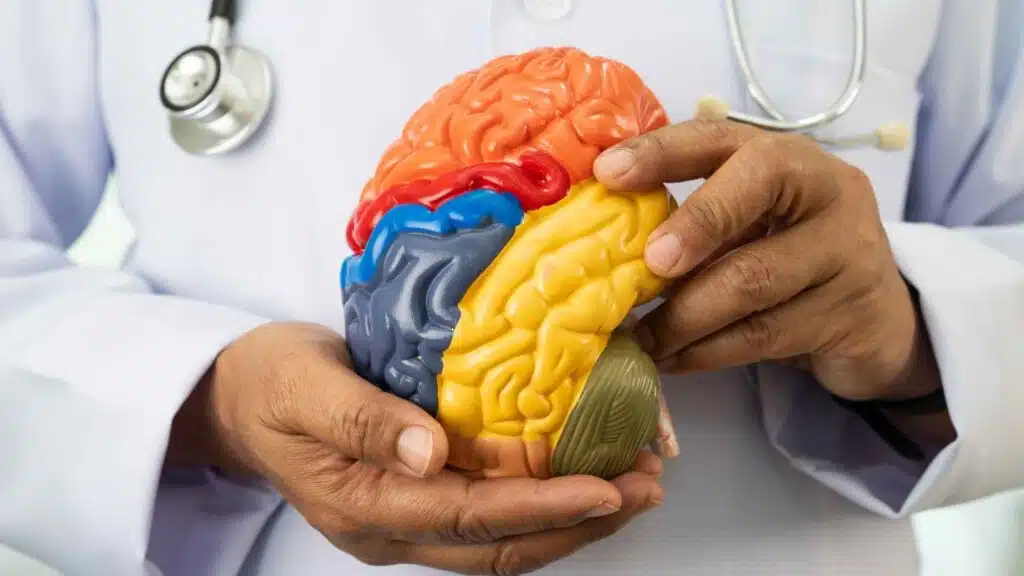
Some people diagnosed with locked-in syndrome continue to feel pain and retain sensation throughout their body or in limited areas...