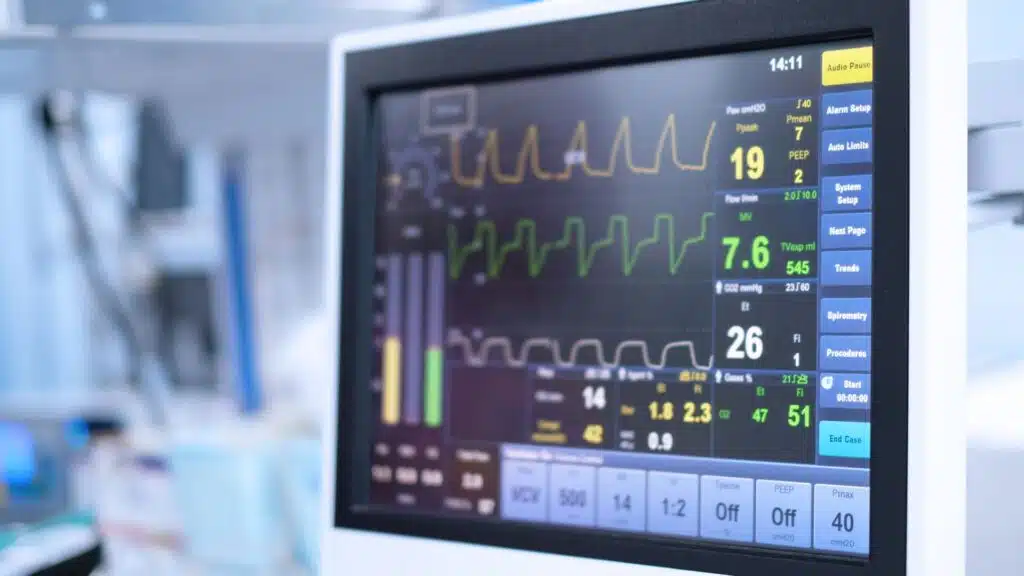

Tracheostomy & Ventilator Management
A tracheostomy and a ventilator can feel like foreign objects at first: tubes, machines, and sounds that take over a...


Legally Reviewed By
Attorney Rich Newsome
Catastrophic Injury & Medical Malpractice Attorney
25+ years experience

If someone you love has suffered a major stroke or brain injury and doctors describe them as comatose or unresponsive, but you sense they can still hear and understand you, it’s worth understanding the early signs and symptoms of locked-in syndrome, a condition that is sometimes mistaken for a coma or vegetative state.
Locked-in syndrome (LIS) is a condition in which a person remains entirely aware but almost entirely paralyzed. They may be able to move their eyes or possibly twitch a finger or toe. This lack of voluntary movement can make it nearly impossible to communicate that they are aware and conscious.
Symptoms of LIS can include your loved one:
LIS isn’t one single, fixed picture; it exists on a spectrum, and what you observe in your loved one may depend on which type of LIS they have:
Knowing which type your loved one may have matters because it shapes what kind of response you should look for. If eye movement doesn’t seem to be present, it doesn’t necessarily mean your loved one isn’t aware — it may mean the care team needs to look for smaller, subtler signs of intentional movement elsewhere in the body.
LIS is most often caused by a stroke or injury affecting the brainstem, so the warning signs often resemble those of a severe brainstem stroke. Before or during the event, you or medical staff might notice:
Remember that a brainstem stroke does not always present with the same symptoms people associate with stroke. The acronym BE FAST can help you:
If you witness these symptoms in real time, treat it as a medical emergency and seek immediate care, since faster treatment of the underlying stroke can reduce the extent of damage.
An early, accurate diagnosis matters enormously. Because someone with LIS cannot move or speak, they are often assumed to be unconscious, which means their needs and wishes can go unrecognized for extended periods. Timely diagnosis allows the care team to:
The sooner LIS is recognized, the sooner your loved one can be treated as the aware person they are, not as someone who isn’t there.
These conditions can look similar from the outside, but they are fundamentally different:
A distinguishing factor is purposeful eye movement. A person in a coma or vegetative state does not track objects or people with intent, or respond consistently to questions with their eyes. A person with LIS often can. This is why family observations are so valuable: brief clinical exams may miss what a family member notices over hours spent at the bedside.
When a loved one has locked-in syndrome, you must be their advocate and their voice. Your careful observations, your persistence with the care team, and your willingness to sit with them and try to communicate may be what allows their awareness to be recognized, and what gives them a way to be heard again.
If a delayed diagnosis led to permanent harm, you may be entitled to compensation. Speak with our legal team today.
Start My Free Case Review
This is often the question families want answered most, and the honest answer is nuanced: early diagnosis cannot reverse locked-in syndrome itself, but it can meaningfully affect your loved one’s quality of life going forward.
LIS results from physical damage to the brainstem, most often from a stroke. Diagnosing it sooner doesn’t undo that damage. Recovery of movement and speech depends primarily on the extent of the injury itself, not on how quickly LIS was identified.
While it won’t reverse the underlying damage, catching LIS early creates real opportunities that delayed diagnosis forecloses:
Recovery from LIS varies widely and is difficult to predict early on. Some patients regain limited voluntary movement over time, especially with incomplete LIS; others remain fully locked-in long-term. What’s consistent across cases, though, is that awareness and cognition remain intact, and communication-assisted quality of life can be meaningful even without physical recovery. Your loved one’s neurologist is the best source for guidance specific to their injury and progress, since prognosis depends heavily on the cause, location, and extent of the damage.
In short: think of early diagnosis less as a path to reversing LIS, and more as a path to giving your loved one the best possible support, care, and voice while their body recovers whatever function it’s going to recover.
Once your loved one is diagnosed with LIS, care can begin in earnest, but it’s worth being prepared for the financial reality alongside the medical one. Ongoing care for LIS often involves a combination of hospital or rehabilitation stays, long-term nursing care, specialized communication equipment, physical and occupational therapy, and around-the-clock support at home if that’s the path you choose. These costs add up quickly, and many families are caught off guard by how much is not covered by standard insurance.
Our team can help you explore your options and determine whether your loved one’s LIS resulted from negligence.
Locked-in syndrome brings enormous uncertainty, and you shouldn’t have to face the medical and financial questions alone. If you have questions about the care your loved one received, our locked-in syndrome lawyers can review what happened at no upfront cost, with no pressure to move forward. Call whenever you’re ready for answers; the Newsome Law team is here for you.
A tracheostomy and a ventilator can feel like foreign objects at first: tubes, machines, and sounds that take over a...

Locked-in syndrome (LIS) changes everything overnight, including a family's finances. Once income stops, Social Security disability benefits can become a...

Learning your child has locked-in syndrome can feel like standing in a room with no map. It's a rare diagnosis,...

While there are occasional cases that make the news of someone recovering from locked-in syndrome or a similar diagnosis, this...

The area of the brain that can cause locked-in syndrome (the pons) following a stroke is the same area of...

Because it causes near-global paralysis, takes away the ability to speak, and prevents a person from providing self-care, locked-in syndrome...

Locked-in syndrome occurs when an injury to the brainstem prevents the brain from communicating with the spinal cord and the...
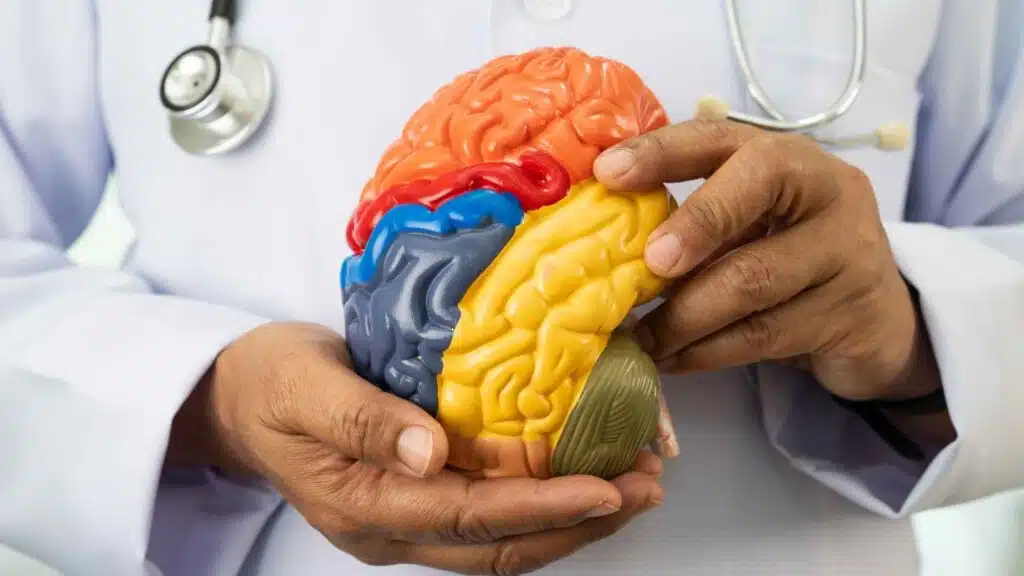
Some people diagnosed with locked-in syndrome continue to feel pain and retain sensation throughout their body or in limited areas...