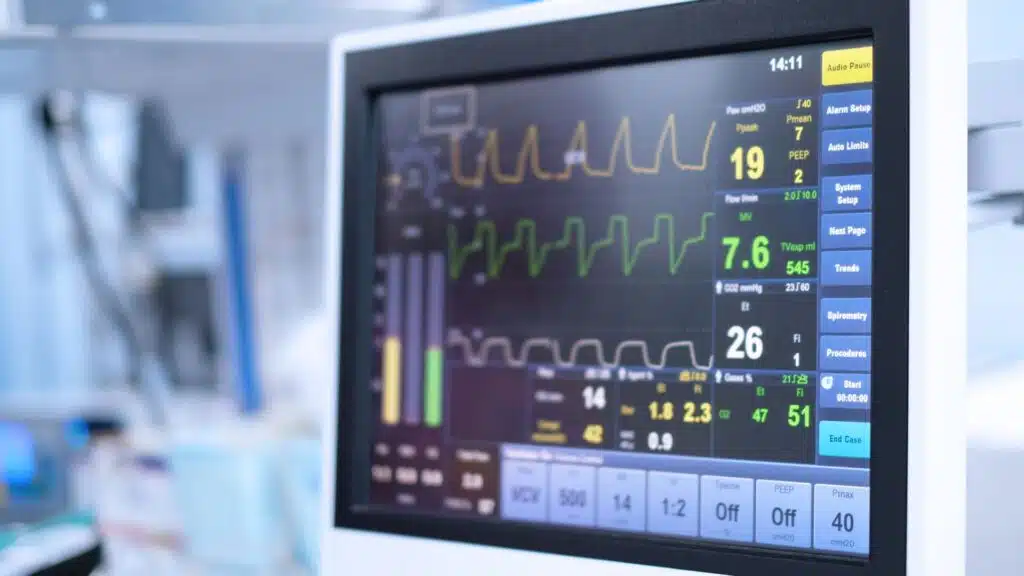

Tracheostomy & Ventilator Management
A tracheostomy and a ventilator can feel like foreign objects at first: tubes, machines, and sounds that take over a...


Legally Reviewed By
Attorney Rich Newsome
Catastrophic Injury & Medical Malpractice Attorney
25+ years experience

Locked-in syndrome is not common. In fact, it’s an extremely rare condition with an estimated 1,000 cases in the United States, according to Healthline. However, with no international or national agency tracking this condition, the actual prevalence could be much higher. Many cases of locked-in syndrome may also go unrecognized or misdiagnosed.
Locked-in syndrome most often occurs when there is an injury to the brainstem. With locked-in syndrome, victims suffer both quadriplegia and the inability to communicate verbally. They are typically only able to blink and move their eyes. Many require assistance with autonomic functions such as breathing. They remain alert and aware, and their cognitive abilities are intact.
Locked-in syndrome most often results from a stroke affecting the brainstem, which is the area of the brain responsible for relaying signals to the muscles that control movement and speech. Because the stroke affects motor pathways rather than the areas responsible for thought, awareness, or memory, the person’s mind remains intact. They can typically:
What changes is their ability to move or speak.
This distinction is central to understanding locked-in syndrome and to caring for someone who has it. The person inside is still there. They are aware of their surroundings, aware of conversations, and aware of the people who love them, even when they cannot show it in the ways families are used to. Recognizing this awareness and continuing to include the person in family life and decision-making is one of the most meaningful things loved ones can do.
For families, the early period after diagnosis often brings a mix of grief and disorientation. The person they love looks profoundly changed, but is, in the ways that count most, still present. Adjusting to this reality takes time, patience, and support from a care team that understands the condition well.
In most cases, people with locked-in syndrome cannot speak or move their limbs. Communication instead develops around the muscles that often remain under voluntary control, most commonly the eyes. With practice, many families build reliable communication systems using:
With the right combination of tools, therapy, and caregiver training, many families find that a rich, connected relationship with their loved one remains possible. Communication becomes slower and more deliberate, but it does not disappear.
Locked-in syndrome typically requires an intensive, long-term level of support, often including skilled nursing care, feeding and respiratory assistance, and specialized communication equipment. Costs vary widely by region and by the person’s specific medical needs, but national survey data offers a general reference point for what families can expect to plan for.
| Type of Care | Estimated Cost in the United States |
| Non-medical caregiver | $35/hour |
| Private duty nurse | $90/hour |
| Assisted living community | $74,400/year |
| Long-term care facility, e.g., nursing home (private room) | $129,575/year |
Source: Genworth
These costs differ by state and by city. Some states are substantially higher than the national average while others are lower.
While damage to the brainstem through illness or injury is a common cause of locked-in syndrome, there are several potential causes of locked-in syndrome. Some causes of this condition may include:
If a delayed diagnosis led to permanent harm, you may be entitled to compensation. Speak with our legal team today.
Start My Free Case Review
Locked-in syndrome is sometimes difficult to diagnose. Those who have the condition suffer quadriplegia, limited movement of the head and face, and an inability to communicate verbally. However, they are alert and cognitively intact. Unless doctors run the right tests, the victims may be aware of what is going on around them but unable to communicate with their doctors or family members.
Doctors must pair neurological exams with tests of brain activity such as an electroencephalogram (EEG). If the EEG shows normal brain activity, the doctor can begin to develop communication with the patient through blinking or vertical eye movement.
Locked-in syndrome is often diagnosed after a family member suspects their loved one can understand them and raises concerns about their alertness.
There is no known treatment or cure for locked-in syndrome. It is unusual for someone with locked-in syndrome to make a significant recovery of motor function, although there are a handful of documented cases.
Treatment for locked-in syndrome strives to prevent bedsores, pneumonia, and other complications, as well as improve quality of life. Often the most significant advances in quality of life occur with the help of technology, specifically eye-gaze devices and brain-computer interface devices to aid communication. Lifts and customized wheelchairs can also make it possible for those with the condition to remain at home with their family.
If someone else’s negligence caused your loved one’s condition, you may be eligible to pursue compensation for expenses and losses related to their injuries. Our legal team offers free case reviews. We can investigate the care your loved one received and determine whether it met the standard of care for the specific industry.
If it did not and you want to take legal action, we can help you build a strong case to support the pursuit of compensation for a wide range of damages. This may include your expenses and losses from the initial incident, as well as ongoing care costs. Some of the most common damages in a personal injury case include:
To learn more about your eligibility to pursue compensation on behalf of your loved one diagnosed with locked-in syndrome, contact our firm. We offer free case evaluations for the families of those with locked-in syndrome and similar conditions.
In some cases, you may be eligible to take legal action on behalf of your loved one with a locked-in syndrome diagnosis. A locked-in syndrome attorney from Newsome Law will evaluate your case and can explain your legal options. Call us today to get started with your complimentary case review with a member of our team.
You pay nothing unless we recover compensation for your family.
A tracheostomy and a ventilator can feel like foreign objects at first: tubes, machines, and sounds that take over a...

Locked-in syndrome (LIS) changes everything overnight, including a family's finances. Once income stops, Social Security disability benefits can become a...

Learning your child has locked-in syndrome can feel like standing in a room with no map. It's a rare diagnosis,...

While there are occasional cases that make the news of someone recovering from locked-in syndrome or a similar diagnosis, this...

The area of the brain that can cause locked-in syndrome (the pons) following a stroke is the same area of...

Because it causes near-global paralysis, takes away the ability to speak, and prevents a person from providing self-care, locked-in syndrome...

Locked-in syndrome occurs when an injury to the brainstem prevents the brain from communicating with the spinal cord and the...
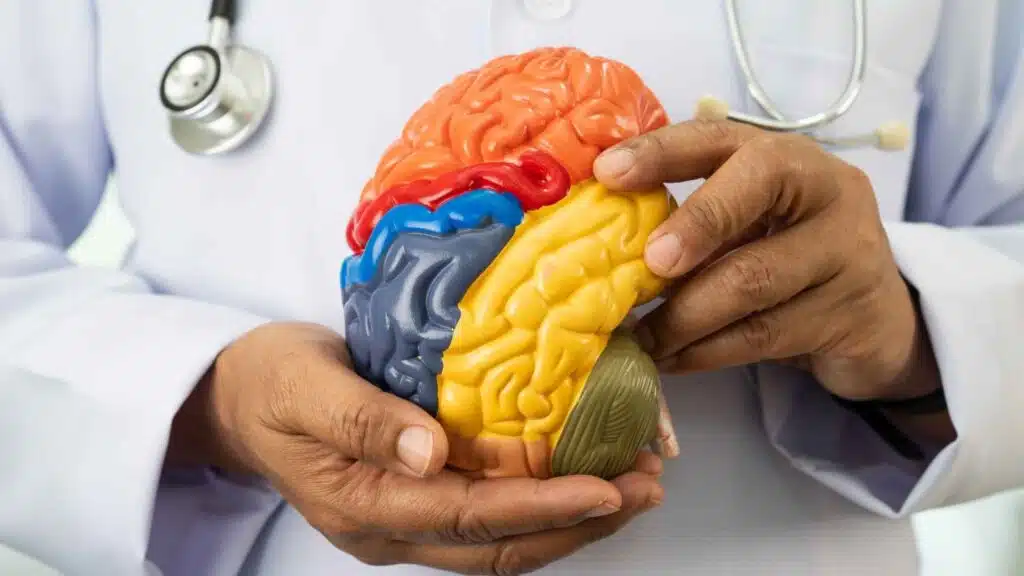
Some people diagnosed with locked-in syndrome continue to feel pain and retain sensation throughout their body or in limited areas...