

Patient Bill of Rights in Long-Term Care
Locked-in syndrome takes away movement and speech, but not awareness. Your loved one hears the conversations around them, understands what...


Legally Reviewed By
Attorney Rich Newsome
Catastrophic Injury & Medical Malpractice Attorney
25+ years experience

Feeding tubes can feel scary at first. But once you understand the basics, daily care becomes much more manageable. This guide walks you through the real, hands-on parts of tube feeding: keeping the tube working, spotting problems early, and helping your loved one stay comfortable and nourished. You don’t need a medical background. You just need clear steps, so you can care for your loved one with confidence instead of guesswork.
Locked-in syndrome usually weakens or paralyzes the muscles used for chewing and swallowing, which makes eating by mouth dangerous. Food or liquid can slip into the airway instead of the stomach, a problem called aspiration. Aspiration can lead to pneumonia.
Because of this risk, a speech or swallow therapist checks how well the person can swallow before any oral feeding is allowed. Based on that evaluation, the care team decides whether it’s safe to eat by mouth, and how much.
When mouth-feeding isn’t safe, a feeding tube takes over. A percutaneous endoscopic gastrostomy (also called a PEG tube or a G-tube) is placed through the skin of the abdomen into the stomach and is used when tube feeding is likely needed longer-term.
Both tubes do the same job: they deliver liquid nutrition, water, and medication straight to the stomach, without the risk of choking.
A feeding tube isn’t always permanent. Some people regain enough swallow control through rehab to eat again, and the tube is adjusted or removed. For others, it stays in long-term. Either way, the decision can be revisited as the person’s condition changes.
Once a feeding tube is in place, a dietitian becomes a key part of the care team. Their job is to choose a formula that meets the person’s specific nutritional needs and to set a feeding schedule that fits their body’s tolerance.
The right approach often takes some trial and error, and the dietitian adjusts things as needed.
The tube is also used to deliver water and medication. This means hydration and medication timing become part of the same daily routine as feeding.
At first, giving a tube feeding can feel intimidating. But with hands-on training from nurses or the care team, most families learn to manage it safely at home. Over time, it becomes a normal part of the day rather than something to dread.
Feeding time doesn’t have to be purely clinical. Many caregivers use it as a moment of connection: talking with their loved one, playing music, or simply sitting together while the feed runs. What starts as a medical task can become a steady, comforting part of daily life for both of you.
Tube feeding usually goes smoothly, but a few problems come up often enough that it helps to know them in advance.
Blockages are a very common issue. They usually happen when leftover feed or medication builds up inside the tube, or when feed and medication mix together and clog it. Regular water flushes are the best way to prevent this, before and after each feeding, and before, after, and between each medication. If the tube isn’t in use, it still needs a flush at least once a day to stay clear. A dietitian can advise exactly how much water to use.
If a blockage does happen, don’t force anything through the tube, since that can damage it. Gently squeezing and rolling the tube between your fingers can sometimes clear it. A slow, careful push-and-pull motion with a syringe of warm water can also help work a blockage loose. If a tube still won’t clear, it’s time to call the care team rather than keep trying on your own.
Sometimes a G-tube doesn’t fall out completely, but it shifts out of place. This is called displacement, and it can happen from normal daily movement, like repositioning or transfers.
Watch for these warning signs:
If you notice any of these signs, stop the feeding and call the medical team right away rather than waiting to see if it resolves on its own.
You can help catch displacement early by keeping an eye on the tube’s outer marker, a small marking or bumper that shows where the tube should sit against the skin. If that marker’s position changes noticeably, or the tube looks like it’s sitting differently than usual, mention it to the care team.
The skin around a G-tube can run into trouble, especially if fluid leaks around the tube site. When stomach contents sit on the skin, it can quickly become red, sore, moist, and irritated. Fungal infections are common in skin that stays damp, so any moisture around the site needs attention rather than being left alone.
A few things to watch for:
Good daily skin care helps prevent these problems before they start. Clean the area gently with soap and water, pat it dry rather than rubbing, and apply a barrier ointment or protectant if your care team recommends one.
None of these problems mean something has gone wrong on your part. They’re common enough that the care team expects them and knows how to help.
If a delayed diagnosis led to permanent harm, you may be entitled to compensation. Speak with our legal team today.
Start My Free Case Review
Tube feeding affects the whole digestive system, especially bowel function. Because tube-fed patients often can’t move around freely, and because feeding formulas and limited fluid intake naturally slow digestion, constipation is a common and expected challenge, not a rare complication.
This is why care teams shouldn’t wait for constipation to become a problem before addressing it. Hydration and nutrition can be adjusted proactively for patients on tube feeding, and caregivers are trained to track bowel movements and watch for warning signs like abdominal swelling, unexplained restlessness, or signs of discomfort.
Left unaddressed, constipation can lead to real pain and serious complications. That’s why staying alert matters so much. Any sudden changes, a long stretch without a bowel movement, visible distress, or any complaints from your loved one should be reported to the medical team right away.
Seeing a feeding tube for the first time is hard for most families. It can feel unnatural, even like a symbol of everything that’s been lost. But over time, many families come to see it differently, not as a loss, but as a lifeline that keeps their loved one nourished safely, without the constant fear of choking or aspiration.
That shift doesn’t erase the grief, though. Losing the ability to share food by mouth is a loss families feel deeply, and it’s worth naming rather than brushing past.
Even so, food doesn’t have to disappear from daily life. Many families find ways to keep their loved one part of the table. They cook favorite meals and let the smells fill the room. If a swallow therapist has cleared it, they may offer a small taste on the lips, just enough to enjoy without risk. They keep their loved one seated with the family during dinner, part of the conversation and the laughter.
Adjusting to this new normal takes time, and there’s no single right way to grieve or adapt. What matters is that food, family, and connection can still have a place at the table, even when eating looks different than it used to.
Locked-in syndrome takes away movement and speech, but not awareness. Your loved one hears the conversations around them, understands what...
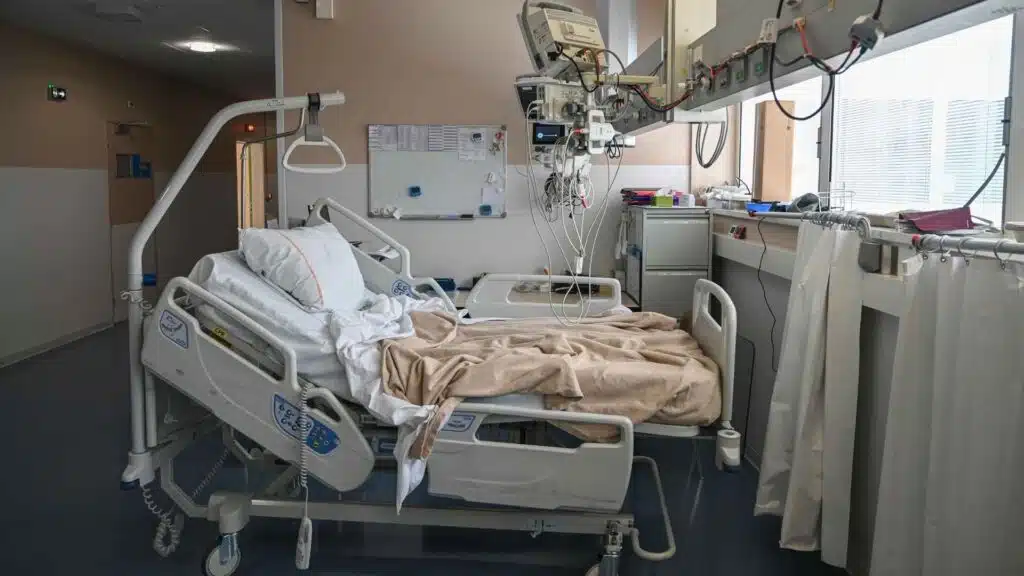
When someone you love develops locked-in syndrome, one question tends to arrive before any other: could this have been prevented?...

When a loved one has locked-in syndrome, they usually remain fully aware, even when they cannot speak or move. That...

Locked-in syndrome takes away movement and speech, but not awareness. Your loved one is fully present, with no way to...
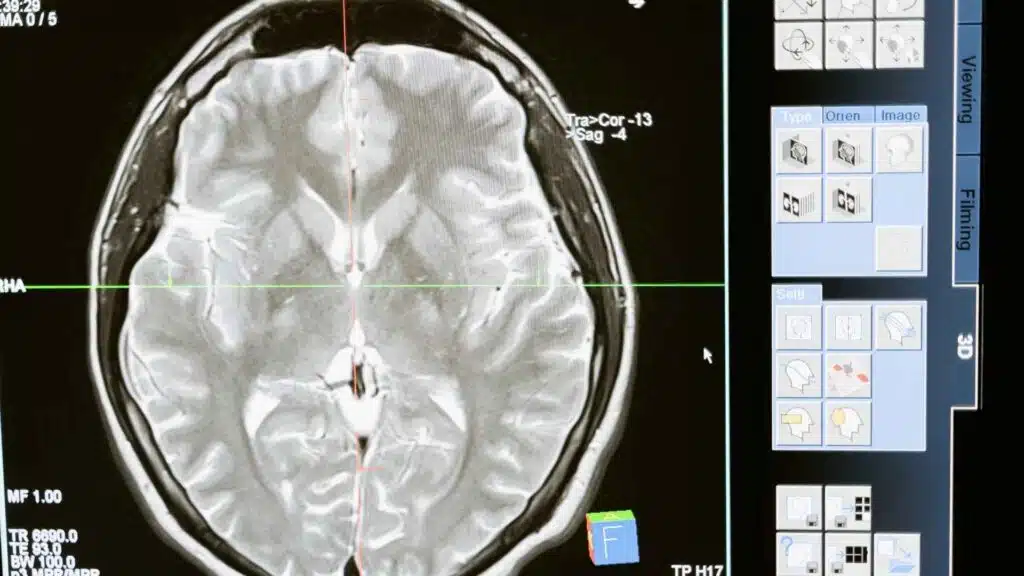
Locked-in syndrome can make communication feel impossible. The body stays still, but the mind stays fully aware, often with...

Living with locked-in syndrome means someone can't shift themselves, roll over, or signal when something feels wrong. That makes skin...
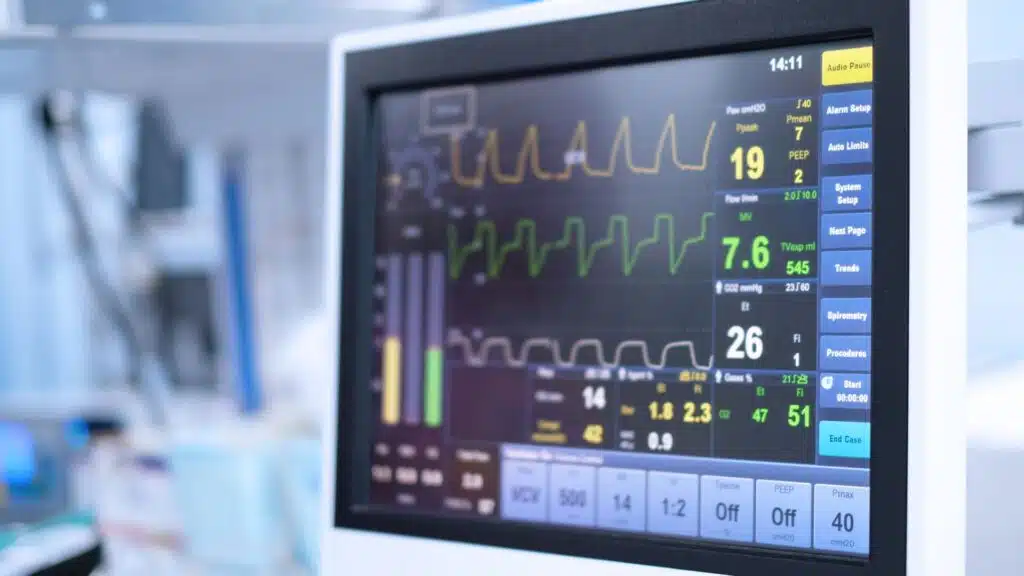
A tracheostomy and a ventilator can feel like foreign objects at first: tubes, machines, and sounds that take over a...

Locked-in syndrome (LIS) changes everything overnight, including a family's finances. Once income stops, Social Security disability benefits can become a...