
Malpractice vs. Unavoidable Tragedy
When someone you love develops locked-in syndrome, one question tends to arrive before any other: could this have been prevented?...


Legally Reviewed By
Attorney Rich Newsome
Catastrophic Injury & Medical Malpractice Attorney
25+ years experience

Locked-in syndrome takes away movement and speech, but not awareness. Your loved one hears the conversations around them, understands what is happening, and has clear preferences about the care they receive. Their rights in a long-term care facility stay whole. This guide explains four rights that shape daily life in care and how families can help protect each one.
Nursing homes and other facilities that participate in Medicare or Medicaid must honor a set of federal resident rights. These rights belong to every resident, including those who communicate differently. They include the right to:
Many states add their own protections. Ask the facility for a written copy of its resident rights policy. For someone with locked-in syndrome, each of these rights depends on a reliable way to communicate.
Communication is the right that makes every other right possible. Without it, a resident can be treated as though they are absent, even while they follow every word in the room.
Access begins with a clear yes/no system, such as a single blink or an upward glance for yes. That method should be written into the care plan and posted at the bedside, so every shift uses the same signals. Letter boards and eye-gaze devices belong within your loved one’s line of sight at all times, including during bathing, transfers, and overnight hours.
A speech-language pathologist can evaluate which augmentative and alternative communication (AAC) tools fit your loved one best, from simple alphabet boards to eye-tracking technology. Staff on every shift should know how to use them. A tool helps only when the person holding it understands it.
Ask how your loved one will call for help. A standard call button is out of reach for someone who cannot move, so the facility should provide an adapted call switch or a plan for frequent rounding. Devices should stay charged, and a paper board should always be ready as a backup.
Care happens to a body that cannot move, but it is received by a person who feels, notices, and remembers. Every task, from bathing to repositioning, should reflect that.
Every resident also has the right to be free from neglect, abuse, and unnecessary restraint. Families who stay involved are well placed to notice when care falls short.
Being unable to speak does not mean being unable to decide. When your loved one’s thinking is intact, consent for treatment should come from them directly, through their communication system.
Informed consent starts with a clear explanation. Staff should describe the proposed treatment, its purpose, its risks, and any alternatives in plain language. Because spelling out questions on a letter board takes time, conversations about care should never be rushed. A good practice is to confirm understanding by asking the same question in more than one way.
Your loved one also has the right to refuse treatment, medications, or changes to their routine. A decision communicated through blinks or eye movements carries the same weight as one spoken aloud.
A healthcare proxy or advance directive generally guides decisions only when a person cannot make or communicate them. These documents support your loved one’s voice. They do not replace it when your loved one can still take part. Because every family’s documents differ, confirm with the care team or an attorney how yours apply.
If a delayed diagnosis led to permanent harm, you may be entitled to compensation. Speak with our legal team today.
Start My Free Case Review
Locked-in syndrome calls for nursing care with specific skills. Because your loved one cannot signal distress in the usual ways, staff must anticipate needs rather than wait to be asked.
Residents and their families have the right to take part in care planning. Care plan meetings bring together nurses, therapists, and other staff to set goals and decide how care will be delivered. For a loved one with locked-in syndrome, this is where the commitments described above become part of the written plan.
Before the meeting, make a short list of priorities. Ask that your loved one’s yes/no signals, communication tools, and call-system accommodations be recorded in the plan so they carry across every shift. Request that nursing needs such as airway care, repositioning, and eye care be written out in specific terms.
Your loved one belongs in the meeting as a participant. Bring their letter board or device, and allow time for them to share questions and preferences. Staff should direct questions to them first.
Between meetings, keep a simple log at the bedside. Note:
This record helps family members stay consistent when they share visits, and it gives you clear details to bring to the next meeting.
Care plans should change as needs change. You can ask for a meeting whenever something is not working.
Most concerns can be resolved through calm, documented conversation. When something is not right:
If an issue remains unresolved, outside help is available. Every state has a long-term care ombudsman program whose staff advocate for residents and can help families work through problems with a facility. Families can also file a complaint with their state’s survey agency, which inspects nursing homes.
Request copies of the care plan and nursing notes, and keep your bedside log up to date. These records help anyone reviewing the situation understand what took place.
If your loved one was harmed, a confidential legal review can bring clarity about what happened and what options may exist. A locked-in syndrome lawyer at Newsome Law is available to answer your questions whenever you are ready.
When someone you love develops locked-in syndrome, one question tends to arrive before any other: could this have been prevented?...

When a loved one has locked-in syndrome, they usually remain fully aware, even when they cannot speak or move. That...

Locked-in syndrome takes away movement and speech, but not awareness. Your loved one is fully present, with no way to...
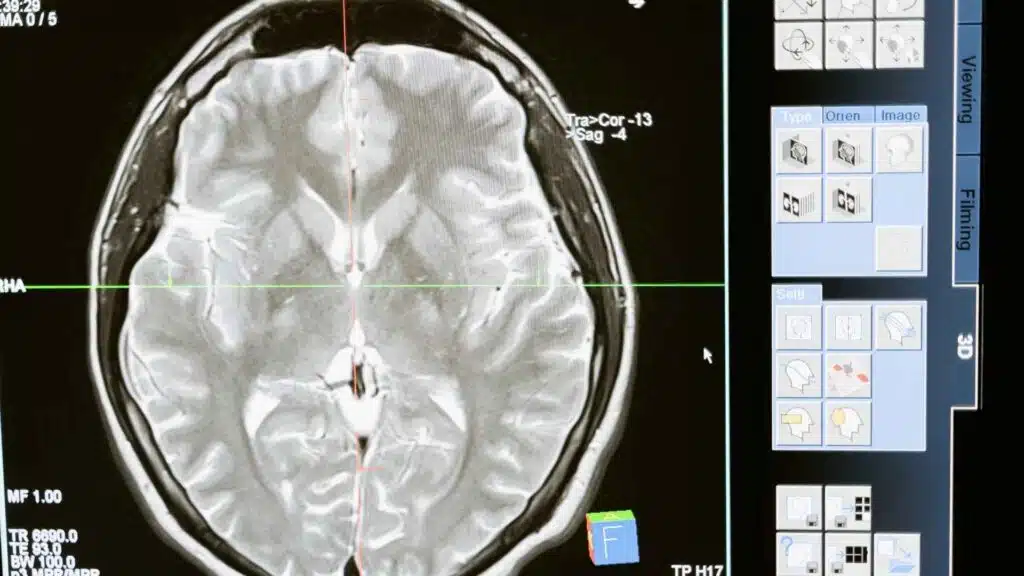
Locked-in syndrome can make communication feel impossible. The body stays still, but the mind stays fully aware, often with...

Living with locked-in syndrome means someone can't shift themselves, roll over, or signal when something feels wrong. That makes skin...

Feeding tubes can feel scary at first. But once you understand the basics, daily care becomes much more manageable. This...

A tracheostomy and a ventilator can feel like foreign objects at first: tubes, machines, and sounds that take over a...

Locked-in syndrome (LIS) changes everything overnight, including a family's finances. Once income stops, Social Security disability benefits can become a...