

Surgical Negligence During Neurosurgery
While strokes are the most common cause of locked-in syndrome, the condition can follow a procedure on the brain: aneurysm...


Legally Reviewed By
Attorney Rich Newsome
Catastrophic Injury & Medical Malpractice Attorney
25+ years experience

A vertebral artery dissection (VAD) is a tear in an artery at the back of the neck. It can cause a clot that blocks the basilar artery and triggers a brainstem stroke, the most common cause of locked-in syndrome. Your loved one remains aware. Families deserve to know whether neck manipulation, or the care that followed, played a role.
Two vertebral arteries run up the back of the neck, one on each side. Near the base of the skull, they meet and form the basilar artery.
Together, these vessels feed the brainstem. This small area controls movement, breathing, swallowing, and heart rate.
An artery wall has layers. A dissection begins when the inner layer tears.
Blood slips into the tear and pools inside the wall between layers. As it pools, the blood can clot and/or the artery can swell and slow blood flow to the brain.
The pooled blood can clot and disrupt the flow of blood. From there, the clot may:
When blood cannot reach the brainstem, brain cells begin to die. This is a stroke.
Some dissections are spontaneous, with no clear injury. Others follow neck trauma, such as:
At first, symptoms may be mild. Neck pain or a headache can seem like nothing serious.
Stroke risk is highest in the two weeks after a tear begins. A dissection caught early can often be treated before a stroke occurs.
When it goes unnoticed, the damage may progress beyond repair.
The two vertebral arteries merge into the basilar artery. This single vessel runs along the front of the brainstem and supplies much of it with blood.
A vertebral artery dissection can reach the basilar artery in two ways:
A blockage in this vessel is called a basilar artery occlusion. It is a rare type of stroke and one of the most serious.
The brainstem carries signals between the brain and the body. A stroke here can damage those pathways.
When the damage reaches an area called the pons, the result can be locked-in syndrome. The person loses control of nearly all their muscles. Often, only eye movement or blinking remains.
A dissection often begins with symptoms that seem minor, which is part of what makes it dangerous. Watch for:
Many of these symptoms look like common problems. Dizziness can pass for vertigo, and a headache can pass for a migraine or a standard tension headache. After a neck adjustment, soreness or lightheadedness may be mistaken for a normal reaction.
Symptoms can appear during an appointment. They can also develop hours or days later, which makes the connection harder to see.
The BE FAST checklist can help families recognize a stroke:
If these signs appear after a neck injury or manipulation, tell every clinician involved about that history.
If a delayed diagnosis led to permanent harm, you may be entitled to compensation. Speak with our legal team today.
Start My Free Case Review
Responsibility may rest with the person who performed the manipulation, the clinicians who saw the patient afterward, or both. A careful review looks at each stage:
Speed shapes outcomes. The ATTENTION trial, published in the New England Journal of Medicine, studied patients with basilar artery occlusion. Among those who received thrombectomy within 12 hours, 46% were able to walk without assistance three months later. Only about 23% of those treated with medication alone reached the same outcome.
In 2015, Jonathan was a young, active man in Georgia. For several days, he had lived with neck pain, headaches, blurred vision, and ringing in his ears. He went to a chiropractor for relief, and during a neck adjustment, he experienced seizure-like activity and became unresponsive.
He was rushed to an emergency department, where imaging showed a stroke in his brainstem. His legal team later described a series of missed connections. The emergency physician did not tell the consulting neurologist about the neck adjustment. Test results were not clearly shared. Signs of a VAD were dismissed. On imaging, a blockage in the vertebrobasilar artery went unrecognized. Diagnosis and treatment did not come until the next day.
Jonathan developed locked-in syndrome. His mind remained fully aware, but he lost nearly all movement except in his eyes.
In 2022, a jury returned a $75 million verdict against the emergency physician and the radiologist.
(Read the whole story and more in our new e-book.)
Questions about what happened can surface weeks or months later. You can gather the facts at your own pace, without committing to any next step.
A review often brings clarity either way. Some families learn their loved one received appropriate care. Others learn that a missed sign changed the outcome. Whatever you decide afterward, the choice remains yours.
A vertebral artery dissection can change a family’s life in a single afternoon. In the weeks that follow, you may carry questions alongside the daily work of care: what happened, whether it could have been prevented, and how to plan for what lies ahead.
Through all of it, your loved one remains present. They hear your voice, understand your words, and feel your care.
When you are ready, Newsome Law can listen to your story and help you understand your options. There is no obligation and no pressure, only a conversation about what happened and what comes next.
While strokes are the most common cause of locked-in syndrome, the condition can follow a procedure on the brain: aneurysm...

Could this have been prevented? Many families carry this question after a loved one is diagnosed with locked-in syndrome. Stroke...

There is a question that many families of locked-in syndrome patients ask themselves, usually late at night, long after the...
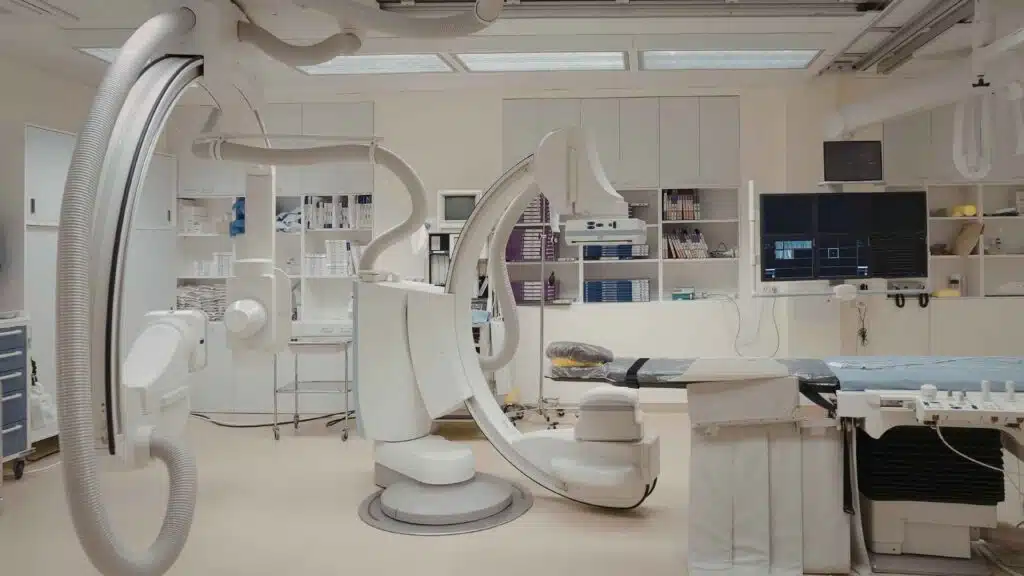
Overview of Stroke Imaging Modalities and Potential Issues Every minute of delayed treatment destroys roughly 1.9 million neurons, according to...

Common Factors That Contribute to Misdiagnosis Stroke misdiagnosis is rarely the result of a single error. More often, it reflects...
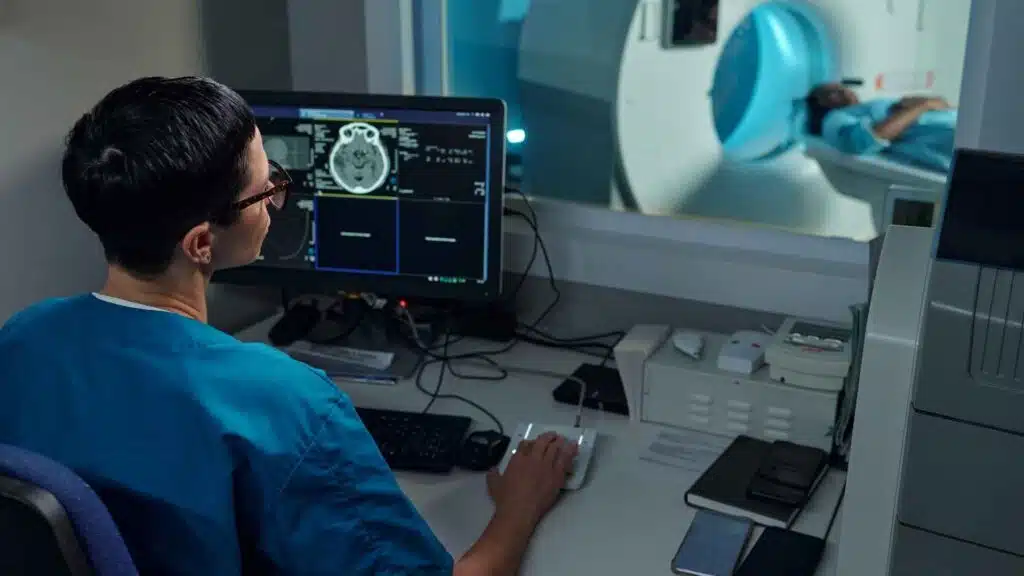
Patients’ Rights After a Failure to Diagnose a Stroke After a stroke is misdiagnosed, patients and their families are often...

Locked-in syndrome takes away movement and speech, but not awareness. Your loved one hears the conversations around them, understands what...
When someone you love develops locked-in syndrome, one question tends to arrive before any other: could this have been prevented?...